

|
|
 |
|
News
Commentary
Business&Trade
Culture & Sci-tech
China-US Dialogue
From the US Media
Major Events
Key Documents
Video
Photo Gallery
Related Coverage
Timeline Milestones
Hotlinks
Li Hong:
Export-driven road hits snag  Liu Shinan:
Teachers are not children's punching bags  Hong Liang:
Information is power for investors too  You Nuo:
A protracted war against recession  Patrick Whiteley:
Why learning Chinese is easier in Year of the Ox  Is it America's turn to learn from China?
By George Koo (New America Media)
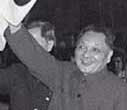
Updated: 2009-01-07 15:09 On Jan. 1, 30 years ago, the United States and China resumed normal diplomatic relations—a culmination of the fence mending between the two nations that began with President Nixon's historic visit to China in 1972. A simultaneous public announcement of the bilateral agreement came two weeks earlier. The People's Daily, the official newspaper of the government, rushed out a rare extra edition. The last time The People's Daily had printed an extra edition—with bold headlines and in red ink—was when China detonated its first atomic bomb 14 years earlier. The reaction in Washington to the bilateral agreement was more muted. There was a perfunctory announcement. At the time, the United States was the world's largest economy and China was in the process of moving up from the world's 30th. America's economic partners were Europe and Japan. China hardly made any difference. Today China is in a virtual tie with Germany as the world's third largest economy and holder of the largest amount of American debt. How the United States chooses to deal with China now will make a world of difference. Thirty years ago, no playbook existed on how to transform a state-planned economy to a free and open market. Deng Xiaoping was the paramount leader who saw that a normal relationship with the United States was essential to China's road to reform. He came to Washington that January to celebrate the newly established relationship, to don a cowboy hat and savor some Americana. More importantly, Deng opened China to Western ideas. Measures of financial performance, articles of incorporation for a functioning enterprise, regulations governing joint ventures, guidelines for bank financing, taxation with incentives for new investments and many more ideas became part of China's legal environment. These were conditions necessary to attract foreign investment and encourage the growth of the private sector. In 30 years, China's economy has increased by more than 30 fold. Few would deny that China's reform has been a spectacular success. It is the United States that is now at a crossroads and in need of drastic systemic reform. While China's economic development has too short of a history to provide any useful lessons on bailing out a crashing economy, if Barack Obama were to visit China after the inauguration, he could find some fresh and useful approaches. China has shown that step-by-step reform rather than sudden "big bang" reform—or deregulation in the case of the United States—proved to be the road to success. Applying this principle, Obama might follow gradual steps toward re-regulation. If Obama wishes to see how infrastructure investments can act as stimulants to the national economy, all he needs to see is how the building of mass transit systems, airports, bridges, tunnels and super highways have benefited China's economy and its cities. More importantly, Obama would see a China vastly different from the image portrayed in the West. He would see a nation of people working hard striving for a better life. He would see a society surprisingly free and open. He would also see a country that shares many of the challenges and aspiration the United States faces. From anti-piracy off the Somalia coast, to security from global terrorists, stopping drug trafficking, pollution abatement, developing clean alternate sources of energy, and increasing drinkable water supply, China and the United States are facing common hurdles best overcome through working together. By joining China in a true partnership, Obama's administration can leverage the relationship and accomplish the same goals at a lower level of national expenditure. By selling clean technology and other high-tech products, Obama can even generate more business for American companies. Mutual trust and confidence would be built from increased contact and personal rapport between Obama and the leaders of China, and the hundreds of billions of dollars that the United States has allocated for advanced weapons development could be cut from the national deficit. Dr. George Koo is a retired international business consultant and a board member of New America Media.  |
          |
主站蜘蛛池模板: 国产精品午夜福利视频| 97久久超碰亚洲视觉盛宴| 在线免费观看| 国产片AV在线永久免费观看| 精品国产成人a在线观看| 日韩精品人妻中文字幕| 九九热精品视频在线| 国产日产免费高清欧美一区| 麻豆精品一区二区综合av| 久久精品国产亚洲AV高清y w| 亚洲第一视频区| 天堂亚洲免费视频| 双乳奶水饱满少妇呻吟免费看 | 四虎成人精品永久网站| 夜色爽爽影院18禁妓女影院| 国产AV无码专区亚洲AV漫画| 国产精品亚洲电影久久成人影院| 亚洲精品国产三级在线观看| 91麻豆视频国产一区二区| 久久久精品国产精品久久| 亚洲精品91中文字幕| 亚洲中文字幕成人综合网| 暖暖免费观看电视在线高清| 国产综合视频一区二区三区| 日韩一区二区三区高清视频| 啪啪av一区二区三区| 国产精品综合一区二区三区| 亚洲一区二区精品极品| 欧美老熟妇牲交| 久久国产精品波多野结衣| 久久午夜色播影院| 人妻夜夜爽天天天爽欧美色院| 欧美 亚洲 另类 丝袜 自拍 动漫| 中文字幕V亚洲日本在线电影| 国产欧美一区二区三区视频在线观看| 精品国产成人国产在线观看| 精品一区二区三区无码视频| 国产精品男女午夜福利片| 亚洲日韩欧美丝袜另类自拍 | 久久99精品久久久大学生| 97se综合|




