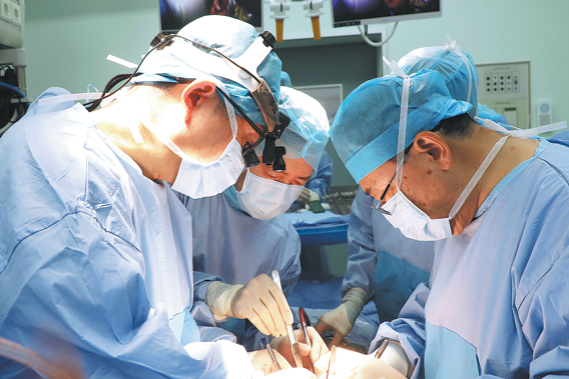
Industrial building revitalization scheme must offer more incentives









In Chief Executive Carrie Lam Cheng Yuet-ngor's first Policy Address she clearly said "the government is exploring different approaches to facilitate the transformation of industrial buildings and releasing land resources. Possible options include reactivating the revitalization scheme for industrial buildings by offering incentives to encourage owners of old industrial buildings to undertake redevelopment or wholesale conversion, and considering how operating space can be provided legally and safely under the scheme for certain industries with development potential, such as cultural, arts and creative industries, and for appropriate community facilities."
In April 2010, a set of measures to facilitate redevelopment and wholesale conversion of older industrial buildings introduced by the special administrative region government came into effect, and the scheme lasted six years before it came to an end in March last year. The revitalization scheme received 248 applications of which 125 were approved.

Both numbers of applications and approvals seem minor when compared with the 1,400 industrial buildings in Hong Kong. Therefore the CE is searching for new ideas in dealing with old industrial buildings so as to release the 2,000 hectares of land resources with matching facilities currently occupied by these 1,400 buildings. If these land resources are redeployed or reconstructed according to the comprehensive development scheme for the community, they are the perfect solution to the city's land and housing shortage as well as for upgrading the whole structure of town planning.
As a first-hand applicant for revitalization measures, I fully understand the immediate concerns of old industrial building owners - there are simply not enough incentives for owners to apply for wholesale conversion, even with the threshold of "compulsory sale" having been lowered to 80 percent. From the point of view of landlords, most of the plot ratios of industrial buildings are already used up and these buildings are still restricted to industrial use after reconstruction, so it's simply a waste of time and resources to apply for revitalization.
In this case, I believe the matter of prime importance is to relax the restriction of "industrial use". The definition of "industrial use" adopted by the Lands Department follows the definition of "factory" under the Factories and Industrial Undertakings Ordinance enacted in the 1960s. The narrow definition has, to a great extent, restricted the use of industrial buildings and even led to the illegal use of them.
When calculating the vacancy rate of industrial buildings, the government would include illegal usage such as subdivided units, art-design-music studios, private home kitchens, mini storehouses, fish farms and even barbecue venues. By including this illegal usage, the authorities tend to draw a conclusion that the vacancy rate of industrial buildings is low, at 5 to 6 percent. But the figure is misleading because the legitimate usage that fits the "industrial use" description only takes up a small proportion of space in these buildings.
Why is irregular/illegal usage so common in Hong Kong? I believe the main reason is about market value. The old industrial buildings are restricted to industry-related activities only, including manufacturing, altering, cleansing, repairing, ornamenting, finishing, adapting for sale, breaking up or demolishing or transforming materials. In other words, eligible tenants are rare on the market; returns on rental therefore cannot reflect the actual value of the buildings. This is why many owners would take the risk of violating the law and rent space to ineligible tenants.
The definition of "industrial use", as promulgated by the Town Planning Board, has been extended to activities such as training, research, design and development, quality control and packaging in relation to industrial activities. But to achieve a successful re-launch of the revitalization scheme, all government departments need to unify their definitions of "industrial use" and even relax the restriction to a greater extent, so as to provide more incentives for industrial building owners to make the best use of land plots occupied by their industrial buildings, and help relieve the city's problem of land shortages.
(HK Edition 10/20/2017 page8)


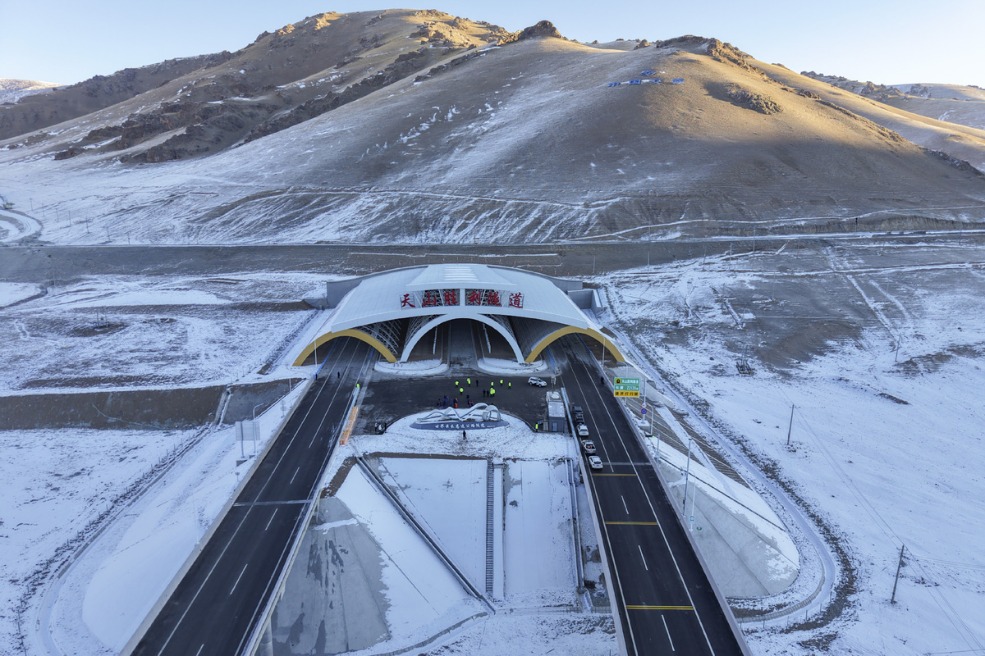

Today's Top News
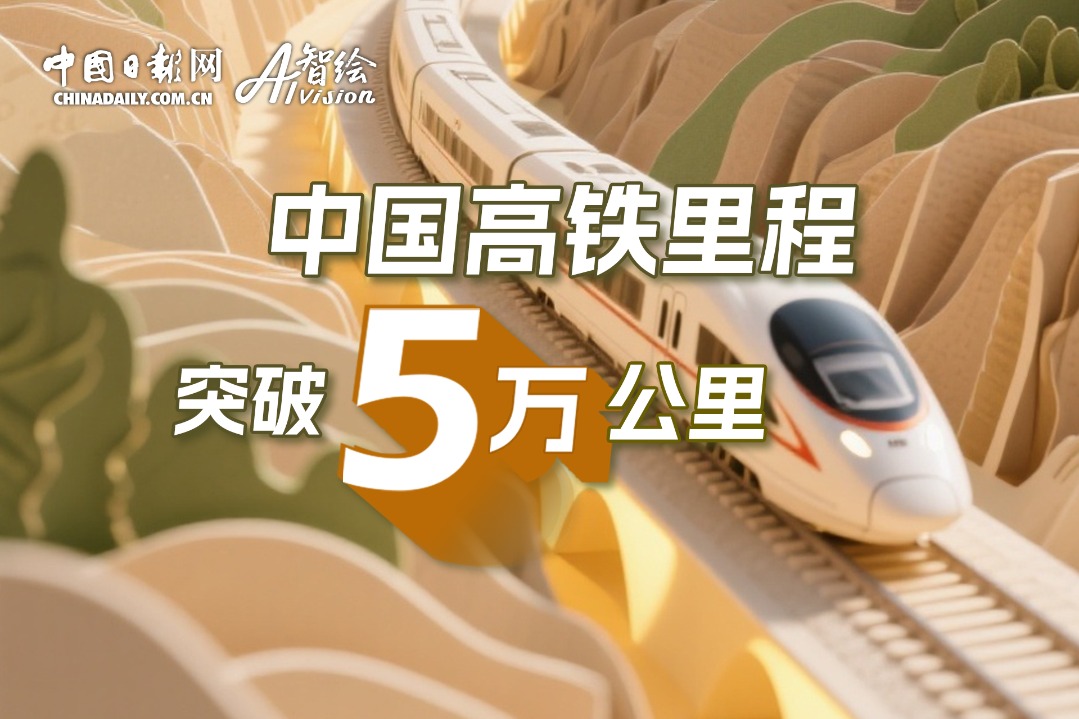
- High-speed rail reaches 50,000 km milestone
- China puts sanctions on US defense firms, execs
- Iconic hall reopens after decade-long renovation
- Sanctions show China's resolve to safeguard its sovereignty and territorial integrity
- China OKs three action plans to build pilot zones for a Beautiful China
- CPC leadership meeting stresses steadfast implementation of eight-point decision on improving conduct