Asia rising on mutually beneficial policy









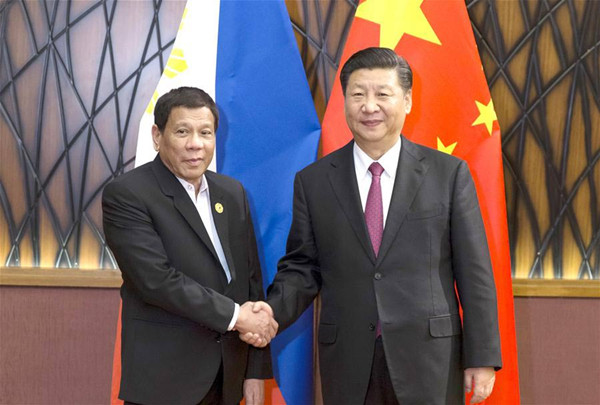 |
| President Xi Jinping(R) meets with Philippine President Rodrigo Duterte in Da Nang, Vietnam, Nov 11, 2017. [Photo/Xinhua] |
In the past, this was not the case because of "beggar-thy-neighbor" policies. What we need, as China is showing, is "prosper-thy-neighbor" policies. If that were to happen, we will definitely see Asia rising, which will strengthen globalization and help ensure a peaceful world.
The Asian financial crisis taught us a number of lessons which we must continue to learn from to move forward. Among these is the fact that the Asian economies have to strive to be much more interdependent, in order to move forward.
Prior to the crisis, the economic strategy of most Asian economies was built on an export-driven economy, the model being Japan, and the exports made their way mainly to the United States and Europe.
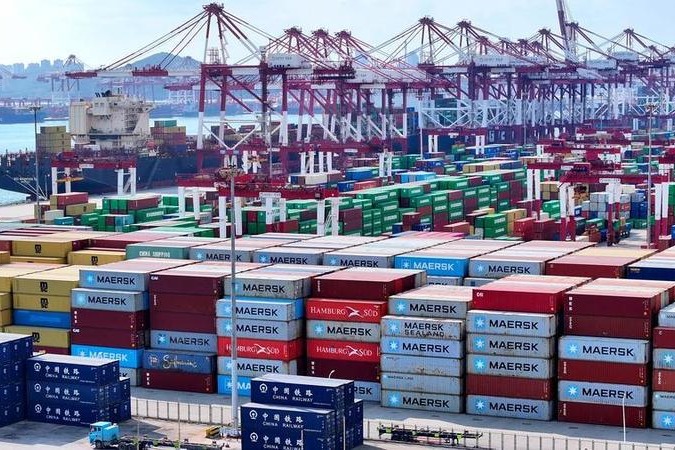
Asian economies are once again rising, with China leading this trend. The China-proposed Belt and Road Initiative will improve infrastructure connectivity from China through Asia and all the way up to Europe and Africa, by building or strengthening interstate highways, railways and ports.
A lot will depend, of course, on the agreements with the Central Asian countries such as Uzbekistan, Turkmenistan and Kazakhstan. But if they reach such agreements, and the initiative is implemented smoothly, we will see Asia rise to prominence the way it has not done in recent history.
The Belt and Road Initiative is going to be particularly important for Asia, including the Association of Southeast Asian Nations, for to approximate what has been achieved by the Western economies, particularly the US and Western Europe, there have to be three important elements in place-a universally recognized and stable financial banking system; modern infrastructure; and peace, order and security. And in order to establish a good financial structure, Asia has to mobilize its savings, which are the largest in the world.
When I was the chairman of the APEC Finance Ministers' Process in the mid-to-late 1990s, I tried, together with the other Asian financial ministers, to suggest such use of Asia's savings to the other side of the table, which was at that time led by International Monetary Fund managing director Michel Camdessus, US Federal Reserve chairman Alan Greenspan, and the US treasury secretary. The lesson everyone in Asia has learned is that Asians have to figure out a way of not being totally dependent on the decision-making process of the West if they want to get themselves mobilized properly.
Fortunately, an offshoot of that discussion was the beginning of the Asian Bond Fund, which is now going to be a platform for an internationally accepted funding mechanism in Asia, which includes the recognition of the renminbi as an international reserve currency. So the idea of putting a financial plan and structure in place has happened before.
The Belt and Road Initiative, plus the assistance that China has given to the economies such as the Philippines to build or improve their infrastructure will play a big role in generating domestic economic activities, and the kind of international activities that will allow Asia to grow and maintain peace and order.
The author, former Philippine secretary of finance, is chairman of the RFO Center for Public Finance and Regional Economic Cooperation and a founding member of the Boao Forum for Asia.