



Technology a game changer in solving China's cold cases









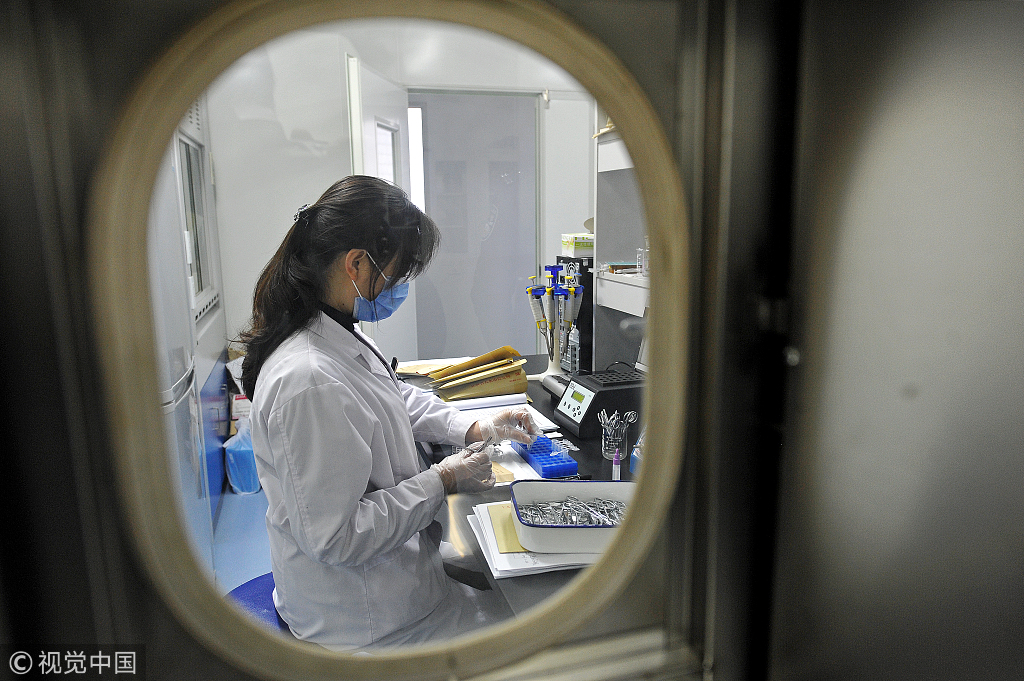
NANJING -- A man's decomposed body parts were found in an open space in Kunshan, east China's Jiangsu Province, in December 2011.
Police collected DNA samples at the scene, hoping the evidence would unlock the secret of the deceased's identity, but the investigation stalled due to a lack of technology.
Thanks to facial recognition software, police identified a possible identity last year and compared the DNA samples with the person's parents.
They were then able to catch the murderer, who killed the man after a dispute over how to divide gains from credit card fraud.
The software analyzes aspects of a person's face -- the space between the eyes or how long the nose is -- and creates a template, which is then compared to a database of photographs to identify a person.
"The technology is not affected by changes in physical appearance such as hair style and body shape," said an investigator involved in the case who refused to be named.
"The process of photo matching, when done manually, is hugely time consuming. Police now can devote more time to other vital tasks," he said.
Technology has become a game changer for unsolved cases, especially ones that have gone cold. It can greatly increase the efficiency of police officers.
Chinese police have launched a campaign to use new technology to solve cold cases since 2016.


- Xi'an workshop lets tourists hand-make their own Terracotta Warriors
- Xinjiang's Changji welcomes visitors with festive Spring Festival flavors
- Guizhou seed specialist helps Nigerian farmers develop rice cultivation
- Ministry refines safety measures ahead of Spring Festival holiday
- Chinese scientists awarded for sci-tech innovation and leadership in frontier research
- Bilingual tour guide turns passion into dream career








