One third of global air pollution deaths in Asia Pacific









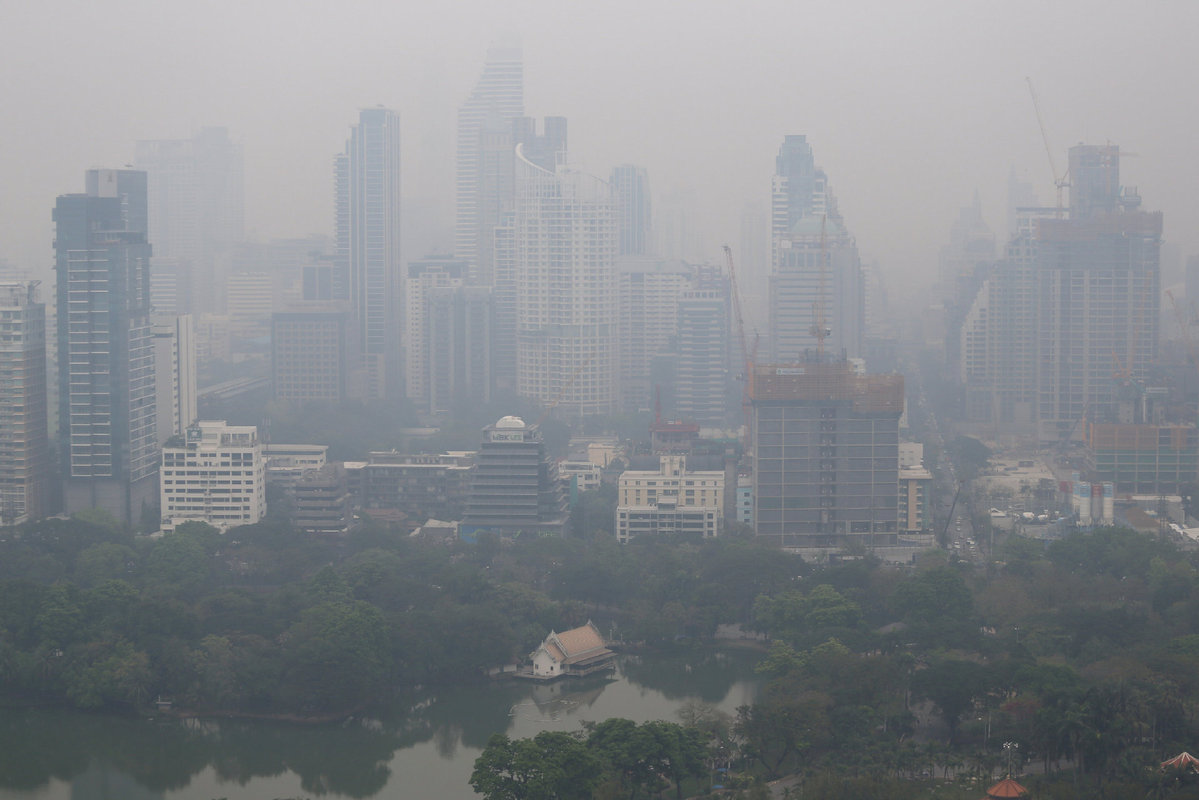
Air pollution levels remain dangerously high in many parts of Asia according to new data from the World Health Organization (WHO). Around one third, or 2.2 million of the world’s 7 million premature deaths each year from household (indoor) and ambient (outdoor) air pollution are in the WHO Western Pacific Region—home to one quarter of the world’s population.
WHO’s new estimates show that 9 out of 10 people in the world breathe air containing high levels of pollutants. Polluted air penetrates deep into their lungs and cardiovascular system. Among the 2.2 million air pollution-related deaths in this Region in 2016, 29% were due to heart disease, 27% stroke, 22% chronic obstructive pulmonary disease, 14% lung cancer and 8% pneumonia.
“Air pollution is the most lethal environmental health threat in our region, and it affects people in middle-income countries at a much higher rate than those in high-income countries,” says Dr Shin Young-soo, WHO Regional Director for the Western Pacific. “Addressing air pollution and climate change are top priorities for WHO in the Western Pacific Region, but they are not challenges that individuals or the health sector alone can solve. We need urgent action across energy, agriculture, transport, housing and beyond to ensure a healthy and sustainable future.”
Ambient air pollution
Ambient air pollution is mainly made up of fine particulate matter (PM10 and PM2.5). PM2.5 includes pollutants such as sulfate, nitrates and black carbon, which pose the greatest risks to human health.
Ambient air pollution affects urban and rural areas. Major sources include inefficient energy use in households, industry, the agriculture and transport sectors, and coal-fired power plants. In some areas, sand and desert dust, waste burning and deforestation are additional sources of air pollution. Air quality can also be influenced by natural elements such as geographical, meteorological and seasonal factors.
Household air pollution
The main source of household air pollution is the use of kerosene and solid fuels such as wood in polluting stoves, open fires and lamps. More than 40% of the world’s population still do not have access to clean cooking fuels and technologies in their homes. Women and children are most at risk of household air pollution.
“Air pollution threatens us all, but the poorest and most marginalized people bear the brunt of the burden,” says Dr Tedros Adhanom Ghebreyesus, WHO Director-General. “If we don’t take urgent action on air pollution, we will never come close to achieving sustainable development.”
Countries taking action
While the latest data show ambient air pollution levels are still dangerously high in the WHO Western Pacific Region, they also show some progress. The estimated number of air pollution deaths in the Region has come down from 2.8 million in 2012 to 2.2 million in 2016.
WHO air quality recommendations call for countries to reduce annual mean values of air pollution to 20 μg/m3 for PM10 and 10 μg/m3 for PM2.5. Countries are taking measures to reduce air pollution from particulate matter. For example, the annual median exposure to ambient PM2.5 in China was 48.8 μg/m3 in 2016—a 17% reduction from the estimate for 2012, but still almost five times higher than WHO recommendations.
“Many of the world’s megacities exceed WHO’s guideline levels for air quality by more than five times, representing a major risk to people’s health,” says Dr Maria Neira, Director of WHO’s Department of Public Health, Environmental and Social Determinants of Health. “The good news is that we are seeing more and more governments increasing commitments to monitor and reduce air pollution as well as more global action from the health sector and other sectors like transport, housing and energy.”
Air pollution does not recognize borders. Improving air quality demands sustained, coordinated government action at all levels. Countries need to work together on solutions.
In October 2016, Member States adopted the Western Pacific Regional Framework for Action on Health and Environment on a Changing Planet and the Manila Declaration at the Asia-Pacific Regional Forum on Health and Environment. In October 2017, WHO held a Member States Consultation on Addressing the Health Impact of Air Pollution in the Western Pacific Region, and continues to work with countries to take steps to improve the situation.
Later this year, WHO will convene the first Global Conference on Air Pollution and Health, bringing together governments and partners in a global effort to improve air quality and combat climate change.