
<tt id="6hsgl"><pre id="6hsgl"><pre id="6hsgl"></pre></pre></tt>
          <nav id="6hsgl"><th id="6hsgl"></th></nav>
          国产免费网站看v片元遮挡,一亚洲一区二区中文字幕,波多野结衣一区二区免费视频,天天色综网,久久综合给合久久狠狠狠,男人的天堂av一二三区,午夜福利看片在线观看,亚洲中文字幕在线无码一区二区
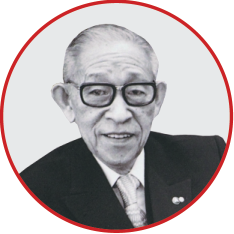
          Konosuke Matsushita
          Founder of Matsushita Electric
          Known in Japan as "the god of management", Konosuke Matsushita was a man of vision.

          He was born in 1894, the youngest child in a family of 10.

          Matsushita was sent to Osaka to be an apprentice in a charcoal brazier shop at the age of 9. With harsh experience in his early days, Matsushita always looked at difficult times with great optimism to learn, improve and strengthen himself. He started his own company, Matsushita Electric, at the age of 22.

          He excelled as an innovator and a leader, turning his company into an electronics giant. Matsushita Electric's success led to visits from foreign VIPs such as United States attorney general Robert Kennedy and Indian prime minister Indira Gandhi, and the media also embraced Matsushita. He was featured in Life magazine in September 1954, and appeared on the cover of Time magazine in February 1963, bringing Matsushita Electric to worldwide prominence.

          He retired as company chairman in 1973. Five years later, he spent 7 billion yen (equal to about $32 million at the time) of his own money to build the Matsushita Institute of Government and Management in the hope of training future leaders. Its graduates include people working in a wide range of fields, from politics to business, media, research and education.

          Matsushita died in 1989 at age 94.

          The tour that helped change a nation

          An unlikely friendship between two men whose countries had once been implacable enemies helped put China on the road to modernity
          Cai Hong


          Deng Xiaoping shakes hands with Konosuke Matsushita at Panasonic's television factory in Osaka, Japan, in 1978. Courtesy of Panasonic Corporation

          The night before Deng Xiaoping embarked on the educational journey of a lifetime in 1920, he is said to have told his father that in going to France to study, his mission was "to learn knowledge and truth from the West to save China".

          Deng was just 16 years old at the time.

          He would spend a total of seven years in France and the Soviet Union. More than five turbulent decades later, he would be China's vice-premier. By then, of course, through the effort of hundreds of millions of Chinese, many of whom had shed blood or lost their lives, China had been well and truly saved.

          But in 1978, Deng embarked on yet another journey of learning, this time looking to the expertise of the East to carry China forward on the road to modernization.

          It was late October, and Deng was dispatched to Japan to officially put an end to the hostility that had pitted China against its former occupier, with the signing of the China-Japan Peace and Friendship Treaty. Those he met during his weeklong trip included Emperor Hirohito.

          Deng marveled at the sophistication and modernity Japan had achieved over 40 years as it recovered from defeat in war. The thing that particularly struck him was the country's fabled bullet trains, and he decided there was no reason why the best Chinese brains should not be able to replicate that engineering feat.

          One of the next things on Deng's shopping list of ideas was electronics, and if he wanted to know something about that, who better to visit than Matsushita Electric Industrial, whose home appliance brands such as Panasonic and Technics had become bywords for technical excellence throughout the world.

          As Deng toured Panasonic's cavernous plant in the city of Ibaraki, near Osaka, that day, he was accompanied by the company's founder, Konosuke Matsushita, and a legion of company employees.

          Deng saw television sets, video recorders and fax machines being assembled-at some points on fully automated lines-and at the end of the tour made it clear to Matsushita that what he wanted was expertise because China was about to launch a modernization drive. One of the key elements would be self-reliance, he said, but to achieve this China would need foreign know-how and investment.

          "I'll do my best to help you," Matsushita told Deng.

          Eight months later, Matsushita was in Beijing as a guest of the Chinese government, the two signing an agreement under which Panasonic would sell monochrome picture tubes to a light bulb company in Shanghai.


          1 2 3 4 Next   >>|
          Konosuke Matsushita
          Founder of Matsushita Electric
          Known in Japan as "the god of management", Konosuke Matsushita was a man of vision.

          He was born in 1894, the youngest child in a family of 10.

          Matsushita was sent to Osaka to be an apprentice in a charcoal brazier shop at the age of 9. With harsh experience in his early days, Matsushita always looked at difficult times with great optimism to learn, improve and strengthen himself. He started his own company, Matsushita Electric, at the age of 22.

          He excelled as an innovator and a leader, turning his company into an electronics giant. Matsushita Electric's success led to visits from foreign VIPs such as United States attorney general Robert Kennedy and Indian prime minister Indira Gandhi, and the media also embraced Matsushita. He was featured in Life magazine in September 1954, and appeared on the cover of Time magazine in February 1963, bringing Matsushita Electric to worldwide prominence.

          He retired as company chairman in 1973. Five years later, he spent 7 billion yen (equal to about $32 million at the time) of his own money to build the Matsushita Institute of Government and Management in the hope of training future leaders. Its graduates include people working in a wide range of fields, from politics to business, media, research and education.

          Matsushita died in 1989 at age 94.

          The tour that helped change a nation

          An unlikely friendship between two men whose countries had once been implacable enemies helped put China on the road to modernity
          Cai Hong


          Deng Xiaoping shakes hands with Konosuke Matsushita at Panasonic's television factory in Osaka, Japan, in 1978. Courtesy of Panasonic Corporation

          The night before Deng Xiaoping embarked on the educational journey of a lifetime in 1920, he is said to have told his father that in going to France to study, his mission was "to learn knowledge and truth from the West to save China".

          Deng was just 16 years old at the time.

          He would spend a total of seven years in France and the Soviet Union. More than five turbulent decades later, he would be China's vice-premier. By then, of course, through the effort of hundreds of millions of Chinese, many of whom had shed blood or lost their lives, China had been well and truly saved.

          But in 1978, Deng embarked on yet another journey of learning, this time looking to the expertise of the East to carry China forward on the road to modernization.

          It was late October, and Deng was dispatched to Japan to officially put an end to the hostility that had pitted China against its former occupier, with the signing of the China-Japan Peace and Friendship Treaty. Those he met during his weeklong trip included Emperor Hirohito.

          Deng marveled at the sophistication and modernity Japan had achieved over 40 years as it recovered from defeat in war. The thing that particularly struck him was the country's fabled bullet trains, and he decided there was no reason why the best Chinese brains should not be able to replicate that engineering feat.

          One of the next things on Deng's shopping list of ideas was electronics, and if he wanted to know something about that, who better to visit than Matsushita Electric Industrial, whose home appliance brands such as Panasonic and Technics had become bywords for technical excellence throughout the world.

          As Deng toured Panasonic's cavernous plant in the city of Ibaraki, near Osaka, that day, he was accompanied by the company's founder, Konosuke Matsushita, and a legion of company employees.

          Deng saw television sets, video recorders and fax machines being assembled-at some points on fully automated lines-and at the end of the tour made it clear to Matsushita that what he wanted was expertise because China was about to launch a modernization drive. One of the key elements would be self-reliance, he said, but to achieve this China would need foreign know-how and investment.

          "I'll do my best to help you," Matsushita told Deng.

          Eight months later, Matsushita was in Beijing as a guest of the Chinese government, the two signing an agreement under which Panasonic would sell monochrome picture tubes to a light bulb company in Shanghai.

          主站蜘蛛池模板: 国产午夜A理论毛片| 92自拍视频爽啪在线观看| 国产偷窥熟女精品视频大全| 国产精品分类视频分类一区| 日韩在线视频线观看一区| 欧洲成人午夜精品无码区久久| 麻豆天美东精91厂制片| 欧美日本中文| 久久天天躁狠狠躁夜夜2020老熟妇| 无码欧亚熟妇人妻AV在线外遇| 亚洲夜色噜噜av在线观看| 亚洲东京色一区二区三区| 久久精品国产再热青青青| 视频一区视频二区视频三区| 欧美一区二区三区欧美日韩亚洲| 亚洲一区二区三区在线| 亚洲 卡通 欧美 制服 中文| 色系免费一区二区三区| 国产成人啪精品午夜网站 | 综合激情丁香久久狠狠| 色综合久久无码五十路人妻| 亚洲WWW永久成人网站| 人摸人人人澡人人超碰手机版| 大地资源免费视频观看| 国产深夜福利在线免费观看| 一区二区三区岛国av毛片| 中文字幕日韩精品有码| 一区二区三区四区精品视频| 无码gogo大胆啪啪艺术| 最新AV中文字幕无码专区| 综合国产av一区二区三区| 亚洲日本精品一区二区| a级毛片在线免费观看| 亚洲午夜爱爱香蕉片| 国产综合色一区二区三区| 护士张开腿被奷日出白浆| 男女肉粗暴进入120秒视频| 国产精品久久久久7777| 欧美~日韩~国产~中文字幕| 国产精品小一区二区三区| 亚洲熟妇自偷自拍另类|