Seeds of Science explores GMO debate









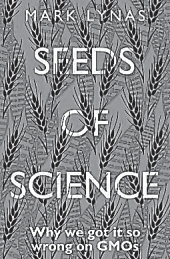
British author Mark Lynas has written a timely and important book, Seeds of Science: Why we got it so wrong on GMOs, about changing sides on the controversial topic of genetically modified crops, or GMOs. Whether you support or oppose the technology, Seeds of Science is full of surprises.
Lynas has a unique perspective: In the 1990s he was literally chopping down experimental crop fields in Britain. He also helped plan the symbolic occupation of a Monsanto office-the seed and pesticide company that German pharmaceutical giant Bayer AG recently bought.
The book opens with a clear-eyed look at the early anti-GMO movement. But Lynas begins to ask questions and finds that the slogans often didn't reflect scientific consensus. In a 2015 poll, 88 percent of American Association for the Advancement of Science members said GMO foods are safe (yet only 37 percent of the public believes that).
In 2013, Lynas publicly switched sides, causing "bitter conflict" with former friends.
Seeds of Science includes painstaking but necessary details: the origins of GMO technology in the 1970s; early concerns of scientists; and a key discovery-some soil bacteria transfer DNA into plants. In other words, moving DNA from one species to another can happen naturally.
In Africa and India, Lynas finds GMO research with the potential to cut pesticide use and increase profits for small farmers by using natural disease resistance in some genes. The new crops weren't owned by a global conglomerate, yet activists still furiously opposed them. In Uganda, GMO opponents told Muslims that pig genes would be inserted in corn, exploiting the religious prohibition on eating pork.
Seeds of Science makes a convincing case that some anti-GMO rhetoric is flawed, but Lynas resists the urge to simply bash the other side. One chapter is titled What the Anti-GMO Activists Got Right.
The book gives readers a sense of scientists who genuinely want to help farmers, and anti-GMO activists who believe modern technology often delivers short-term benefits that mask deeper harms.
Whether either side in the GMO debate heeds calls for moderation remains to be seen, but Lynas gives hope as a brave and valuable voice.
ASSOCIATED PRESS