
<tt id="6hsgl"><pre id="6hsgl"><pre id="6hsgl"></pre></pre></tt>
          <nav id="6hsgl"><th id="6hsgl"></th></nav>
          国产免费网站看v片元遮挡,一亚洲一区二区中文字幕,波多野结衣一区二区免费视频,天天色综网,久久综合给合久久狠狠狠,男人的天堂av一二三区,午夜福利看片在线观看,亚洲中文字幕在线无码一区二区
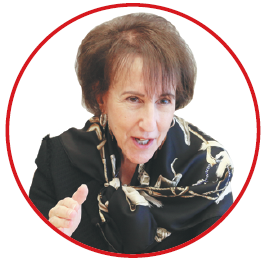
          Charlene Barshefsky
          Former chief United States trade negotiator
          BORN:

          August 1950

          EDUCATION:

          In 1972, Charlene Barshefsky graduated from the University of Wisconsin in Madison with a bachelor's degree, majoring in English and political science.

          In 1975, she earned a doctor of laws degree from the Columbus School of Law at The Catholic University of America.

          CAREER:

          She served as United States Trade Representative, the country’s top trade negotiator, from 1997 to 2001, and as Deputy USTR from 1993 to 1996.

          As USTR and a member of President Bill Clinton’s cabinet, Barshefsky was responsible for the negotiation of hundreds of complex market access, regulatory and investment agreements with virtually every major country in the world.

          She is Senior International Partner at WilmerHale, an international law firm, and she is based in Washington, DC.

          US negotiator who was key to China joining WTO
          Charlene Barshefsky paved the way for entry to the global trading bloc in 2001 and says both countries should pursue a 'mutually beneficial, stable relationship'
          Zhao Huanxin in Washington
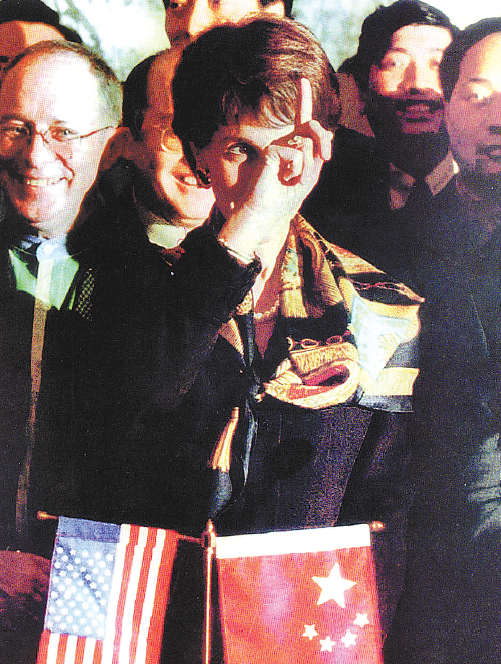
          US Deputy Trade Representative Charlene Barshefsky faces media while walking into the conference room for the signing of a landmark market access deal between the US and China in Beijing on Nov 15, 1999. [Xu Jingxing/China Daily]

          Charlene Barshefsky is known in China for her role as the chief US negotiator in the marathon talks that led to Beijing's accession to the World Trade Organization in 2001.

          In her spacious office in downtown Washington, the former United States Trade Representative said she looks back with "great pride" on her role in helping China achieve WTO membership after 15 years of trying.

          She said it has been "extremely positive" for the country and the world, and she has never regretted supporting it - in stark contrast to the Trump administration's attitude.

          Barshefsky's role in the process culminated in the signing of a landmark market access deal between the US and China in Beijing on Nov 15, 1999, that paved the way for the country's entry to the global trading bloc.

          In an exclusive interview, Barshefsky defended globalization, which she said has benefited the US tremendously. She also cautioned on the "uncertainty" caused by escalating tariffs, which is hurting American businesses, while urging Beijing and Washington to stick to the common goal of a "mutually beneficial, stable relationship".

          'A point of great pride'

          In a January report to the US Congress on China's compliance with its WTO commitments, the US administration said, "It seems clear that the United States erred in supporting China's entry into the WTO on terms that have proved to be ineffective in securing China's embrace of an open, market-orientated trade regime."

          But Barshefsky said: "Could there be any doubt that China should be in the WTO? Of course not. I'm often asked, 'Was it a mistake?' And I'm answering you unequivocally: No. It was not a mistake; it was an extremely positive move for China and for the world."

          Nearly 18 years after China joined the WTO, Barshefsky, now 68, said she remembers anecdotes from the talks, the difficulties China experienced in satisfying membership requirements, and, most of all, the pride she derived from the historic achievement.

          She also recalled a moment that had nothing to do with the negotiations, but one she feels strongly about.

          One day, while walking in Beijing, Barshefsky heard a man call her name in the way a Chinese speaker would say it. She stopped, only to find a family of three walking toward her.

          "I turned around, and it was this gentleman, and he thanked me for WTO, which of course made me laugh, because most people in the United States would have no idea what the WTO is," Barshefsky said.

          "He simply wanted me to know that his son would have a better life. This was completely overwhelming to me. Obviously, he equated WTO entry with personal development, with that rise as part of this process for China."

          Barshefsky said joining the WTO was a "leap" for China, and she understood membership came at a price.

          Chinese enterprises were suddenly thrown into direct competition in the global market. Some did not make it, leading to massive layoffs all over the country, Fu Ying, vice-minister of foreign affairs in the late 2000s, told a roundtable discussion in New York on Aug 29.

          Barshefsky said there were substantial job losses in the State-owned sector, particularly in the early 2000s. But despite the "disruptive side", the Chinese market became increasingly competitive, she said.

          "China brought itself to the WTO and the reason is that I didn't change my behavior one bit; China changed," she said. "It did not have experience with the nature and extent of reforms that had to be made, it didn't have experience with rewriting so much of its legal code. It was a leap."

          Following its WTO accession, China went through a painful overhaul. In a short period of time, Fu said, more than 2,000 laws and regulations were revised or abolished at the national level, and about 200,000 more below national level. "To the extent that I was the negotiator with China, it's a point of great pride for me," Barshefsky said.


          1 2 3 Next   >>|
          Charlene Barshefsky
          Former chief United States trade negotiator
          BORN:

          August 1950

          EDUCATION:

          In 1972, Charlene Barshefsky graduated from the University of Wisconsin in Madison with a bachelor's degree, majoring in English and political science.

          In 1975, she earned a doctor of laws degree from the Columbus School of Law at The Catholic University of America.

          CAREER:

          She served as United States Trade Representative, the country’s top trade negotiator, from 1997 to 2001, and as Deputy USTR from 1993 to 1996.

          As USTR and a member of President Bill Clinton’s cabinet, Barshefsky was responsible for the negotiation of hundreds of complex market access, regulatory and investment agreements with virtually every major country in the world.

          She is Senior International Partner at WilmerHale, an international law firm, and she is based in Washington, DC.

          US negotiator who was key to China joining WTO

          Charlene Barshefsky paved the way for entry to the global trading bloc in 2001 and says both countries should pursue a 'mutually beneficial, stable relationship'
          Zhao Huanxin in Washington
          US Deputy Trade Representative Charlene Barshefsky faces media while walking into the conference room for the signing of a landmark market access deal between the US and China in Beijing on Nov 15, 1999. [Xu Jingxing/China Daily]

          Charlene Barshefsky is known in China for her role as the chief US negotiator in the marathon talks that led to Beijing's accession to the World Trade Organization in 2001.

          In her spacious office in downtown Washington, the former United States Trade Representative said she looks back with "great pride" on her role in helping China achieve WTO membership after 15 years of trying.

          She said it has been "extremely positive" for the country and the world, and she has never regretted supporting it - in stark contrast to the Trump administration's attitude.

          Barshefsky's role in the process culminated in the signing of a landmark market access deal between the US and China in Beijing on Nov 15, 1999, that paved the way for the country's entry to the global trading bloc.

          In an exclusive interview, Barshefsky defended globalization, which she said has benefited the US tremendously. She also cautioned on the "uncertainty" caused by escalating tariffs, which is hurting American businesses, while urging Beijing and Washington to stick to the common goal of a "mutually beneficial, stable relationship".

          'A point of great pride'

          In a January report to the US Congress on China's compliance with its WTO commitments, the US administration said, "It seems clear that the United States erred in supporting China's entry into the WTO on terms that have proved to be ineffective in securing China's embrace of an open, market-orientated trade regime."

          But Barshefsky said: "Could there be any doubt that China should be in the WTO? Of course not. I'm often asked, 'Was it a mistake?' And I'm answering you unequivocally: No. It was not a mistake; it was an extremely positive move for China and for the world."

          Nearly 18 years after China joined the WTO, Barshefsky, now 68, said she remembers anecdotes from the talks, the difficulties China experienced in satisfying membership requirements, and, most of all, the pride she derived from the historic achievement.

          She also recalled a moment that had nothing to do with the negotiations, but one she feels strongly about.

          One day, while walking in Beijing, Barshefsky heard a man call her name in the way a Chinese speaker would say it. She stopped, only to find a family of three walking toward her.

          "I turned around, and it was this gentleman, and he thanked me for WTO, which of course made me laugh, because most people in the United States would have no idea what the WTO is," Barshefsky said.

          "He simply wanted me to know that his son would have a better life. This was completely overwhelming to me. Obviously, he equated WTO entry with personal development, with that rise as part of this process for China."

          Barshefsky said joining the WTO was a "leap" for China, and she understood membership came at a price.

          Chinese enterprises were suddenly thrown into direct competition in the global market. Some did not make it, leading to massive layoffs all over the country, Fu Ying, vice-minister of foreign affairs in the late 2000s, told a roundtable discussion in New York on Aug 29.

          Barshefsky said there were substantial job losses in the State-owned sector, particularly in the early 2000s. But despite the "disruptive side", the Chinese market became increasingly competitive, she said.

          "China brought itself to the WTO and the reason is that I didn't change my behavior one bit; China changed," she said. "It did not have experience with the nature and extent of reforms that had to be made, it didn't have experience with rewriting so much of its legal code. It was a leap."

          Following its WTO accession, China went through a painful overhaul. In a short period of time, Fu said, more than 2,000 laws and regulations were revised or abolished at the national level, and about 200,000 more below national level. "To the extent that I was the negotiator with China, it's a point of great pride for me," Barshefsky said.

          主站蜘蛛池模板: 精品国产精品中文字幕| 亚洲热视频这里只有精品| 久久精品夜色国产亚洲av| 一区二区三区激情免费视频| 国产免费午夜福利757| 插插射啊爱视频日a级| 樱桃视频影院在线播放| 激情伊人五月天久久综合| 男男高h喷水荡肉爽文| 国产一区二区三区在线观看免费| 99中文字幕精品国产| 91久久亚洲综合精品成人| 夜色福利站WWW国产在线视频| 麻花传媒在线观看免费| 精品无码视频| 中文字幕人妻无码一区二区三区| 国产精品推荐视频一区二区| 国产精品一区二区中文| 国产精品高潮无码毛片| 人妻系列无码专区无码中出| 99这里有精品视频视频| 国产亚洲欧美在线人成aaaa| 国产精品国产片在线观看| 国产精品中文字幕免费| 国产91精品丝袜美腿在线| 国产精品毛片va一区二区三区| 免费无码又爽又刺激网站直播| 四虎永久免费很黄的视频| 我要看亚洲黄色太黄一级黄| 国产精品免费视频不卡| 久久国产精品成人影院| 亚洲欧美日本久久网站| 午夜精品久久久久久久第一页| 国产精品自拍自在线播放| 国产av午夜精品福利| 少妇太爽了在线观看免费视频| 无码伊人久久大杳蕉中文无码 | 日韩中文字幕精品人妻| 天天爽天天摸天天碰| 国产伦码精品一区二区| 92国产福利午夜757小视频|