
<tt id="6hsgl"><pre id="6hsgl"><pre id="6hsgl"></pre></pre></tt>
          <nav id="6hsgl"><th id="6hsgl"></th></nav>
          国产免费网站看v片元遮挡,一亚洲一区二区中文字幕,波多野结衣一区二区免费视频,天天色综网,久久综合给合久久狠狠狠,男人的天堂av一二三区,午夜福利看片在线观看,亚洲中文字幕在线无码一区二区
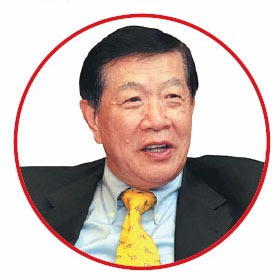
          Henry Chang-yu Lee
          World-leading forensic scientist
          BORN:

          Nov 22, 1938 in Rugao, Jiangsu province

          EDUCATION:

          ? 1959: Graduates from Central Police College, Taiwan

          ? 1972: BSc in forensic sciences, City University of New York

          ? 1974: MSc in biochemistry, New York University

          ? 1975: PhD in biochemistry, NYU

          CAREER:

          ? 1960-65: Officer in the Taipei Police Department, rising to the rank of captain

          ? 1979-98: Director and chief criminalist, Connecticut State Police Forensic Laboratory

          ? 1998-2000: Commissioner of the Connecticut Department of Public Safety

          ? 2001-10: Commissioner emeritus of the Connecticut State Police Forensic Laboratory

          ? 2006: Establishes the Henry C. Lee Institute of Forensic Science at University of New Haven, Connecticut, where he serves as director of forensic research and training

          ? September 2013: Accepts consultancy role at China's Procuratorate Technology Information Research Center, part of the Supreme People's Procuratorate

          ? 2016-present: Chairman of the Silk Road Forensic Consortium

          Top forensic scientist finds evidence of great progress
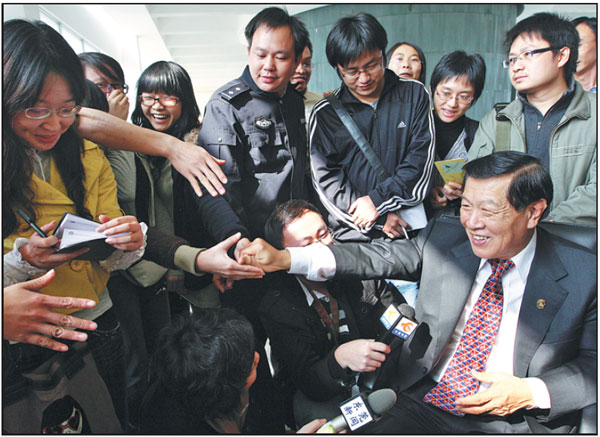
          Henry Chang-yu Lee say China has become a leading player in high-tech systems for catching criminals
          Cao Yin
          Lee talks with local media in Dongguan, Guangdong province, after a public speech on Dec 3, 2009. Chen Fan / For China Daily

          Preserving cultures

          Lee was born in Rugao, Jiangsu province, and was a child when his family moved to Taiwan. He took an interest in law enforcement from a young age and graduated from the island's Central Police College in 1959.

          For five years he was an officer with the Taipei Police Department, eventually rising to the rank of captain, before he and his wife, Margaret, emigrated to the US.

          After witnessing violent police interrogations and even the torture of criminal suspects in Taiwan, Lee said he felt such tactics were cruel and ineffective, as they weaken the credibility of evidence and confessions.

          Instead, he decided to study forensic science. While paying his way working part-time jobs, including as a waiter and lab technician, between 1972 and 1975, Lee obtained a bachelor's degree from City University of New York, and a master's and PhD in biochemistry from New York University. He went on to teach at the University of New Haven, Connecticut.

          In 1985, while director of the Connecticut State Police Forensic Laboratory, Lee was invited by China's ministries of public security and education to lead a monthlong training course for police officers, legal professionals and lab technicians at Renmin University of China.

          The trip was his first time back to the Chinese mainland and marked the start of decades of exchanges between Lee and scientists and criminal investigators nationwide.

          "After an increase in child kidnappings in the '90s, I returned to my homeland again. I introduced how to use DNA and advanced chemical reagents to identify suspects and solve such cases," he said.

          It was also around this time that Lee became commissioner of the Connecticut Department of Public Safety, making him the first Chinese-American to lead a state-level police authority in the US. He held the post until his retirement in 2000.

          Over the past 18 years, Lee has continued to consult on criminal cases around the world, as well as direct the Henry C. Lee Institute of Forensic Science at the University of New Haven, Connecticut.

          He returns to China seven to eight times a year to deliver lectures, sometimes to students at college or high school. "I want to educate them to be good people," he said. "I tell them not to always be looking at their smartphones, to go see the world."

          Reflecting on his early years in the US, he said he faced discrimination in his field. "American people sometimes looked down on me for my foreign background. But I didn't give up. I was determined to prove myself."

          He went on to become a leading authority, working on high-profile cases such as the O.J. Simpson murder trial, a reinvestigation into the assassination of US president John F. Kennedy, and the hunt for the Washington sniper.

          Lee said the reform and opening-up policy introduced by China in 1978 led to rapid economic and societal developments, allowing many Chinese to study or live abroad.

          "A good thing is that more Chinese are going out to further study forensic science. They will come back to use that knowledge to serve their country," he said.

          "I'm happy to see more Chinese now working with Americans in forensic labs, but I always advise them to be leaders in the workplace. We should break Western stereotypes by showing our abilities and leadership."

          He also suggested overseas Chinese should be diligent and cohesive, to uphold their national dignity and preserve their traditional cultures.

          "Only in this way will we speak louder to the world," he said.

          Henry Chang-yu Lee
          World-leading forensic scientist
          BORN:

          Nov 22, 1938 in Rugao, Jiangsu province

          EDUCATION:

          ? 1959: Graduates from Central Police College, Taiwan

          ? 1972: BSc in forensic sciences, City University of New York

          ? 1974: MSc in biochemistry, New York University

          ? 1975: PhD in biochemistry, NYU

          CAREER:

          ? 1960-65: Officer in the Taipei Police Department, rising to the rank of captain

          ? 1979-98: Director and chief criminalist, Connecticut State Police Forensic Laboratory

          ? 1998-2000: Commissioner of the Connecticut Department of Public Safety

          ? 2001-10: Commissioner emeritus of the Connecticut State Police Forensic Laboratory

          ? 2006: Establishes the Henry C. Lee Institute of Forensic Science at University of New Haven, Connecticut, where he serves as director of forensic research and training

          ? September 2013: Accepts consultancy role at China's Procuratorate Technology Information Research Center, part of the Supreme People's Procuratorate

          ? 2016-present: Chairman of the Silk Road Forensic Consortium

          Top forensic scientist finds evidence of great progress

          Henry Chang-yu Lee say China has become a leading player in high-tech systems for catching criminals
          Cao Yin
          Lee talks with local media in Dongguan, Guangdong province, after a public speech on Dec 3, 2009. Chen Fan / For China Daily

          Preserving cultures

          Lee was born in Rugao, Jiangsu province, and was a child when his family moved to Taiwan. He took an interest in law enforcement from a young age and graduated from the island's Central Police College in 1959.

          For five years he was an officer with the Taipei Police Department, eventually rising to the rank of captain, before he and his wife, Margaret, emigrated to the US.

          After witnessing violent police interrogations and even the torture of criminal suspects in Taiwan, Lee said he felt such tactics were cruel and ineffective, as they weaken the credibility of evidence and confessions.

          Instead, he decided to study forensic science. While paying his way working part-time jobs, including as a waiter and lab technician, between 1972 and 1975, Lee obtained a bachelor's degree from City University of New York, and a master's and PhD in biochemistry from New York University. He went on to teach at the University of New Haven, Connecticut.

          In 1985, while director of the Connecticut State Police Forensic Laboratory, Lee was invited by China's ministries of public security and education to lead a monthlong training course for police officers, legal professionals and lab technicians at Renmin University of China.

          The trip was his first time back to the Chinese mainland and marked the start of decades of exchanges between Lee and scientists and criminal investigators nationwide.

          "After an increase in child kidnappings in the '90s, I returned to my homeland again. I introduced how to use DNA and advanced chemical reagents to identify suspects and solve such cases," he said.

          It was also around this time that Lee became commissioner of the Connecticut Department of Public Safety, making him the first Chinese-American to lead a state-level police authority in the US. He held the post until his retirement in 2000.

          Over the past 18 years, Lee has continued to consult on criminal cases around the world, as well as direct the Henry C. Lee Institute of Forensic Science at the University of New Haven, Connecticut.

          He returns to China seven to eight times a year to deliver lectures, sometimes to students at college or high school. "I want to educate them to be good people," he said. "I tell them not to always be looking at their smartphones, to go see the world."

          Reflecting on his early years in the US, he said he faced discrimination in his field. "American people sometimes looked down on me for my foreign background. But I didn't give up. I was determined to prove myself."

          He went on to become a leading authority, working on high-profile cases such as the O.J. Simpson murder trial, a reinvestigation into the assassination of US president John F. Kennedy, and the hunt for the Washington sniper.

          Lee said the reform and opening-up policy introduced by China in 1978 led to rapid economic and societal developments, allowing many Chinese to study or live abroad.

          "A good thing is that more Chinese are going out to further study forensic science. They will come back to use that knowledge to serve their country," he said.

          "I'm happy to see more Chinese now working with Americans in forensic labs, but I always advise them to be leaders in the workplace. We should break Western stereotypes by showing our abilities and leadership."

          He also suggested overseas Chinese should be diligent and cohesive, to uphold their national dignity and preserve their traditional cultures.

          "Only in this way will we speak louder to the world," he said.

          主站蜘蛛池模板: 精品国产福利久久久| 日本道精品一区二区三区| 国产亚洲精品一区在线播放| h动态图男女啪啪27报gif| 精品国产一区二区三区麻豆| 国产激情艳情在线看视频| 免费国产一区二区不卡| jizzjizzjizz亚洲熟妇| 综合图区亚洲另类偷窥| 国产成人无码午夜视频在线播放 | 国产精品资源在线观看网站 | 成人无码潮喷在线观看| 手机精品视频在线观看免费| 色综合久久综合中文综合网| 亚洲成在人网站av天堂| 18岁日韩内射颜射午夜久久成人 | 国内精品一区二区在线观看| 日99久9在线 | 免费| 717午夜伦伦电影理论片| 亚洲AV国产福利精品在现观看| 国产精品中出一区二区三区| 九九热精品在线观看视频| 亚洲欧洲日产国产最新| 精品国产午夜福利在线观看| 亚洲欧洲一区二区免费| 中文字幕av中文字无码亚| 中文无码日韩欧免费视频| 人人做人人澡人人人爽| 久久国语对白| 国产精品自拍中文字幕| 国产丰满乱子伦无码专区| 日本久久一区二区三区高清 | 亚洲男女羞羞无遮挡久久丫| 99久久免费国产精品 | 少妇和邻居做不戴套视频| 久久天天躁狠狠躁夜夜不卡| 久久这里只精品国产2| 日本国产精品第一页久久| 国产精品乱码久久久久久小说| 国产精品久久久久久亚洲色| 国产系列丝袜熟女精品视频|