
<tt id="6hsgl"><pre id="6hsgl"><pre id="6hsgl"></pre></pre></tt>
          <nav id="6hsgl"><th id="6hsgl"></th></nav>
          国产免费网站看v片元遮挡,一亚洲一区二区中文字幕,波多野结衣一区二区免费视频,天天色综网,久久综合给合久久狠狠狠,男人的天堂av一二三区,午夜福利看片在线观看,亚洲中文字幕在线无码一区二区
          Antony Leung Kam-chung
          Hong Kong businessman and former politician
          BORN:

          Jan 29, 1952, in Hong Kong

          EDUCATION:

          1973: Bachelor of social sciences, economics and statistics, University of Hong Kong

          1982: Management development program, Harvard Business School

          1999: Advanced management program, Harvard Business School

          CAREER:

          1973-96: Currency trader and regional manager in New York and across Asia, Citigroup

          1990-98: Chairman, Hong Kong University Grants Committee

          1996-2001: Head of Greater China and the Philippines, Chase Manhattan Bank (now JPMorgan Chase)

          1997-2001: Non-official member, Hong Kong Executive Council

          1998-2001: Chairman, Hong Kong Education Commission

          2000-01: Chairman in Asia-Pacific, JPMorgan Chase

          2001-03: Financial secretary, Hong Kong

          2007-14: Senior managing director and chairman for Greater China, The Blackstone Group

          2014-present: Chairman and CEO, Nan Fung Group

          2016-present: Co-founder and chairman, New Frontier Group

          The banker who helped build Greater Bay Area
          After joining HK government, Antony Leung proposed measures to aid China's economic revival
          He Shusi in Hong Kong
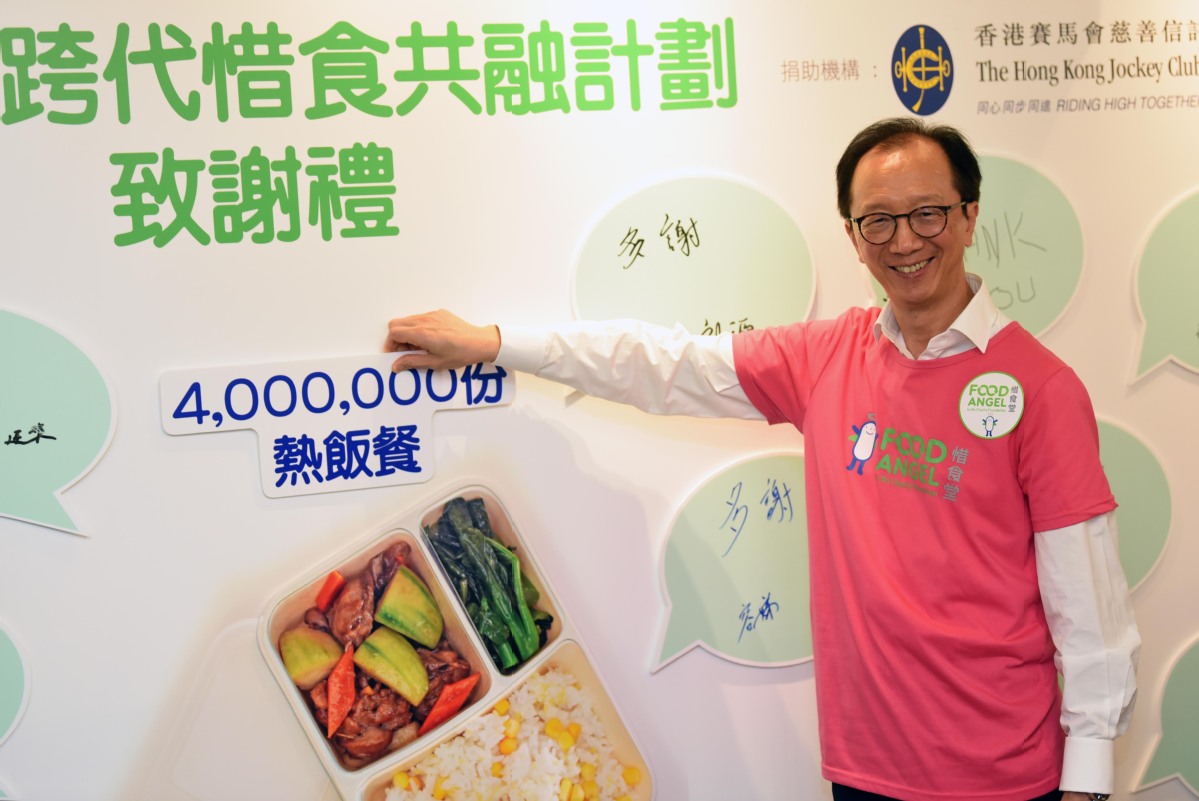
          Leung attends a charity event to promote collection of edible surplus food in Hong Kong on Dec 7 last year. [Photo/China News Service]

          Leung wanted to explore market potential on the west coast of the Pearl River Estuary so as to open new doors for Hong Kong and solidify the city's standing as a financial and trade hub.

          "We asked a professor at The University of Hong Kong to do the research, to learn why cities on the east coast of the estuary like Shenzhen and Dongguan were developing faster than those on the west coast," he said.

          "The answer proved to be simple," Leung said. "Hong Kong." The SAR was an all-important gateway and growth engine for the whole country after opening-up. Hong Kong also supplied the capital for economic development on the Chinese mainland.

          "Foreign and Hong Kong investors were most attracted to the locales within three hours of Hong Kong," he added.

          Leung also had the concept of the Bay Area in mind. During his time as a senior Citibank executive, Leung had been going to New York every year since the 1970s, and he thought the lifestyle in Hong Kong should be similar to that in other metropolises, like Manhattan in the New York Bay area.

          Most people work in Manhattan, but live in the suburbs of New Jersey or Long Island, where housing conditions are better.

          "Then I thought, Hong Kong should be the same," he said. "Hong Kong has only about 1,000 square kilometers of land area. Our suburbs should be the surrounding areas in the delta, including the west... So we needed the bridge and the high-speed rail."

          Tung put forward Leung's two proposals in his policy addresses in 2001 and 2003. Soon, the central government supported the ideas. Both projects became a reality, and went into operation this year - the 40th anniversary of reform and opening-up.

          "The only thing I didn't foresee was that it would take over 15 years to finish the projects," Leung said. "I think Hong Kong should learn the reasons for that, or we will be too slow to catch up to the current state of development."

          Leung attributes his successes in financial world to being Chinese in a city well acquainted with the ways of the rest of the world.

          He said Hong Kong's pathway to success is to learn everything possible about the motherland, while enhancing Hong Kong's traditional ties. He said that message applies especially to the city's youth, who should keep "an open mind" about the future.

          Then the Belt and Road Initiative, which complements the development of the Bay Area, will offer untold opportunities, he said.


          |<< Previous 1 2 3   
          Antony Leung Kam-chung
          Hong Kong businessman and former politician
          BORN:

          Jan 29, 1952, in Hong Kong

          EDUCATION:

          1973: Bachelor of social sciences, economics and statistics, University of Hong Kong

          1982: Management development program, Harvard Business School

          1999: Advanced management program, Harvard Business School

          CAREER:

          1973-96: Currency trader and regional manager in New York and across Asia, Citigroup

          1990-98: Chairman, Hong Kong University Grants Committee

          1996-2001: Head of Greater China and the Philippines, Chase Manhattan Bank (now JPMorgan Chase)

          1997-2001: Non-official member, Hong Kong Executive Council

          1998-2001: Chairman, Hong Kong Education Commission

          2000-01: Chairman in Asia-Pacific, JPMorgan Chase

          2001-03: Financial secretary, Hong Kong

          2007-14: Senior managing director and chairman for Greater China, The Blackstone Group

          2014-present: Chairman and CEO, Nan Fung Group

          2016-present: Co-founder and chairman, New Frontier Group

          The banker who helped build Greater Bay Area

          After joining HK government, Antony Leung proposed measures to aid China's economic revival
          He Shusi in Hong Kong
          Leung attends a charity event to promote collection of edible surplus food in Hong Kong on Dec 7 last year. [Photo/China News Service]

          Leung wanted to explore market potential on the west coast of the Pearl River Estuary so as to open new doors for Hong Kong and solidify the city's standing as a financial and trade hub.

          "We asked a professor at The University of Hong Kong to do the research, to learn why cities on the east coast of the estuary like Shenzhen and Dongguan were developing faster than those on the west coast," he said.

          "The answer proved to be simple," Leung said. "Hong Kong." The SAR was an all-important gateway and growth engine for the whole country after opening-up. Hong Kong also supplied the capital for economic development on the Chinese mainland.

          "Foreign and Hong Kong investors were most attracted to the locales within three hours of Hong Kong," he added.

          Leung also had the concept of the Bay Area in mind. During his time as a senior Citibank executive, Leung had been going to New York every year since the 1970s, and he thought the lifestyle in Hong Kong should be similar to that in other metropolises, like Manhattan in the New York Bay area.

          Most people work in Manhattan, but live in the suburbs of New Jersey or Long Island, where housing conditions are better.

          "Then I thought, Hong Kong should be the same," he said. "Hong Kong has only about 1,000 square kilometers of land area. Our suburbs should be the surrounding areas in the delta, including the west... So we needed the bridge and the high-speed rail."

          Tung put forward Leung's two proposals in his policy addresses in 2001 and 2003. Soon, the central government supported the ideas. Both projects became a reality, and went into operation this year - the 40th anniversary of reform and opening-up.

          "The only thing I didn't foresee was that it would take over 15 years to finish the projects," Leung said. "I think Hong Kong should learn the reasons for that, or we will be too slow to catch up to the current state of development."

          Leung attributes his successes in financial world to being Chinese in a city well acquainted with the ways of the rest of the world.

          He said Hong Kong's pathway to success is to learn everything possible about the motherland, while enhancing Hong Kong's traditional ties. He said that message applies especially to the city's youth, who should keep "an open mind" about the future.

          Then the Belt and Road Initiative, which complements the development of the Bay Area, will offer untold opportunities, he said.

          主站蜘蛛池模板: 亚洲第一无码AV无码专区| 国产玖玖视频| 精品久久人人做爽综合| 国产乱码一区二区三区免费| 亚洲Av午夜精品a区| 免费的特黄特色大片| 办公室强奷漂亮少妇视频| 青青草一区在线观看视频| 欧美国产精品拍自| 自拍偷在线精品自拍偷99| 韩国av无码| 99久久这里只有免费精品| 精品亚洲综合一区二区三区 | 毛片大全真人在线| 色综合久久网| 午夜精品国产自在| 激情按摩系列片aaaa| 丰满少妇被猛烈进出69影院| 国产精品免费麻豆入口| 狠狠色噜噜狠狠狠狠色综合久| 亚洲AV日韩精品久久久久| 最新国产精品拍自在线观看| 久久亚洲精少妇毛片午夜无码| 蜜臀在线播放一区在线播放| 亚洲男人成人性天堂网站| 免费大黄网站在线观看| 亚洲成在人线AV品善网好看| 亚洲中文字幕第二十三页| 欧美黑吊大战白妞| 日韩有码中文字幕国产| 亚洲自偷自拍熟女另类| 国产福利永久在线视频无毒不卡| 亚洲最大的熟女水蜜桃AV网站| 性生交片免费无码看人| 精品国产成人午夜福利| 久久中文字幕日韩无码视频| 国产成人A区在线观看视频| 亚洲伊人久久综合影院| 日韩成人无码v清免费| 久久精品国产亚洲综合av| 亚洲精品天堂在线观看|