
<tt id="6hsgl"><pre id="6hsgl"><pre id="6hsgl"></pre></pre></tt>
          <nav id="6hsgl"><th id="6hsgl"></th></nav>
          国产免费网站看v片元遮挡,一亚洲一区二区中文字幕,波多野结衣一区二区免费视频,天天色综网,久久综合给合久久狠狠狠,男人的天堂av一二三区,午夜福利看片在线观看,亚洲中文字幕在线无码一区二区
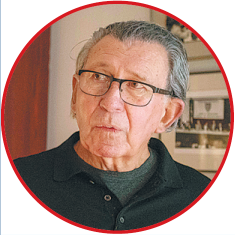
          Charles Royer
          US journalist and politician
          BORN:

          August 1939, in Medford, Oregon

          EDUCATION:

          1966: Bachelor's degree in journalism, University of Oregon

          1975: Fellowship to study government and public policy at Washington, DC, Journalism Center

          CAREER:

          1966-72: Reporter and news analyst, KOIN and KING-TV, Seattle

          1978-90: Mayor of Seattle

          1990: Director, Harvard Institute of Politics, John F. Kennedy School of Government

          1995-2006: Director, National Program Office for the Urban Health Initiative

          Deng visit opened door for maritime trade

          Former Seattle mayor prepared documents on governing city as gift for Chinese delegation
          LINDA DENG in Seattle
          Charles Royer displays a photograph of Deng Xiaoping's visit to Seattle in 1979 at his home. [Gao Tianpei/China Daily]

          When Deng Xiaoping visited Seattle in early 1979, right after China and the United States established diplomatic relations on Jan 1 that year, Charles Royer was beginning his second year as mayor of the northwestern US city.

          "It scared me to death when I got a call from Washington, DC, as a brand-new mayor," Royer said. "I got a call from the State Department. They said, 'You cannot talk to anybody about this, but Deng Xiaoping from China is going to visit four cities in the United States, and Seattle is one of them. And he will be here probably in the early part of this year.' They called me in January. Deng came in February. So we had a month to get ready.

          "It was kind of a nightmare, when we were just starting out, brand-new people in the office. But people involved loved the idea of being able to host, along with the other three big cities in the US, the new leader of China.

          "The new leader of China, who had already articulated what he called the 'new Long March', which was a dramatic effort on the part of Deng, the pragmatic leader, to bring China forward into the 21st century, and by golly, it happened.

          "The arrival of Deng was pretty exciting. There wasn't a huge crowd. It was very personal and impressive."

          Deng visited four major US cities: Atlanta, Washington, Houston and Seattle, which was the last stop. Deng's Boeing 707 plane landed in Seattle on the evening of Feb 3, 1979.

          Deng wowed the crowd at a large hotel luncheon, toured a Boeing 747 plant in nearby Everett and impressed people with his humor at an intimate dinner with business and political leaders.

          Unfortunately, Deng caught a bad cold and had to cancel other events planned for him during his 40-hour stay in the city.

          "He was a small man but very charismatic, very imposing," Royer, now 79, said, comparing Deng's visit to Seattle to one by the United Kingdom's Queen Elizabeth II in 1983.

          "He was one of the best political people I have ever seen with the crowd. I don't know how he did when he was home. Here he was a very popular guy when he got out in the crowd, with a sense of humor and very easy with people."

          Soon after Deng left Seattle, a ship entered Shanghai harbor on March 15, 1979. It was the SS Letitia Lykes, the first US-flagged ship to call on China since 1949.

          A month later, the MV Liu Lin Hai, docked at the Port of Seattle's Pier 91 at Smith Cove. It was the first visit in 30 years by a ship from the Chinese mainland to the US.

          "In 1971 there was almost no trade between China and the United States. Instantly, almost with Deng's visit, everything opened," Royer said.

          He said Senator Warren Magnuson, who represented Washington state, and Seattle lawyer Stan Barer, who had once worked on Magnuson's staff, played an important role in supporting legislation that helped maritime commerce between the US and China resume, at a time when many in the US were wary.

          "Those two guys were very important in making it possible to improve the relationship with China," Royer said. "Then to overcome a very difficult past, the key I think for me is Deng Xiaoping's visit to the US.

          "Ever since then, the trade numbers between the US and China grew exponentially. Suddenly, Washington state was the No 3 trade partner of China, behind California and Texas. That was a dramatic turnabout, to the benefit of both countries."


          1 2 3 Next   >>|
          Charles Royer
          US journalist and politician
          BORN:

          August 1939, in Medford, Oregon

          EDUCATION:

          1966: Bachelor's degree in journalism, University of Oregon

          1975: Fellowship to study government and public policy at Washington, DC, Journalism Center

          CAREER:

          1966-72: Reporter and news analyst, KOIN and KING-TV, Seattle

          1978-90: Mayor of Seattle

          1990: Director, Harvard Institute of Politics, John F. Kennedy School of Government

          1995-2006: Director, National Program Office for the Urban Health Initiative

          Deng visit opened door for maritime trade

          Former Seattle mayor prepared documents on governing city as gift for Chinese delegation
          LINDA DENG in Seattle
          Charles Royer displays a photograph of Deng Xiaoping's visit to Seattle in 1979 at his home. [Gao Tianpei/China Daily]

          When Deng Xiaoping visited Seattle in early 1979, right after China and the United States established diplomatic relations on Jan 1 that year, Charles Royer was beginning his second year as mayor of the northwestern US city.

          "It scared me to death when I got a call from Washington, DC, as a brand-new mayor," Royer said. "I got a call from the State Department. They said, 'You cannot talk to anybody about this, but Deng Xiaoping from China is going to visit four cities in the United States, and Seattle is one of them. And he will be here probably in the early part of this year.' They called me in January. Deng came in February. So we had a month to get ready.

          "It was kind of a nightmare, when we were just starting out, brand-new people in the office. But people involved loved the idea of being able to host, along with the other three big cities in the US, the new leader of China.

          "The new leader of China, who had already articulated what he called the 'new Long March', which was a dramatic effort on the part of Deng, the pragmatic leader, to bring China forward into the 21st century, and by golly, it happened.

          "The arrival of Deng was pretty exciting. There wasn't a huge crowd. It was very personal and impressive."

          Deng visited four major US cities: Atlanta, Washington, Houston and Seattle, which was the last stop. Deng's Boeing 707 plane landed in Seattle on the evening of Feb 3, 1979.

          Deng wowed the crowd at a large hotel luncheon, toured a Boeing 747 plant in nearby Everett and impressed people with his humor at an intimate dinner with business and political leaders.

          Unfortunately, Deng caught a bad cold and had to cancel other events planned for him during his 40-hour stay in the city.

          "He was a small man but very charismatic, very imposing," Royer, now 79, said, comparing Deng's visit to Seattle to one by the United Kingdom's Queen Elizabeth II in 1983.

          "He was one of the best political people I have ever seen with the crowd. I don't know how he did when he was home. Here he was a very popular guy when he got out in the crowd, with a sense of humor and very easy with people."

          Soon after Deng left Seattle, a ship entered Shanghai harbor on March 15, 1979. It was the SS Letitia Lykes, the first US-flagged ship to call on China since 1949.

          A month later, the MV Liu Lin Hai, docked at the Port of Seattle's Pier 91 at Smith Cove. It was the first visit in 30 years by a ship from the Chinese mainland to the US.

          "In 1971 there was almost no trade between China and the United States. Instantly, almost with Deng's visit, everything opened," Royer said.

          He said Senator Warren Magnuson, who represented Washington state, and Seattle lawyer Stan Barer, who had once worked on Magnuson's staff, played an important role in supporting legislation that helped maritime commerce between the US and China resume, at a time when many in the US were wary.

          "Those two guys were very important in making it possible to improve the relationship with China," Royer said. "Then to overcome a very difficult past, the key I think for me is Deng Xiaoping's visit to the US.

          "Ever since then, the trade numbers between the US and China grew exponentially. Suddenly, Washington state was the No 3 trade partner of China, behind California and Texas. That was a dramatic turnabout, to the benefit of both countries."

          主站蜘蛛池模板: 欧美性大战xxxxx久久久√| 九九视频热最新在线视频| 一区二区三区四区精品视频| 亚洲伊人久久成人综合网| 真人性囗交视频| 国产欧美久久一区二区三区| 国产亚洲精品成人av在线| 色成人亚洲| 无码中文字幕人妻在线一区| 国产啪视频免费观看视频| 不卡午夜视频| 亚洲中文精品一区二区| 色呦呦在线视频| 国产精品女同性一区二区| www射我里面在线观看| 国产人妻精品午夜福利免费| 无码成人午夜在线观看| 久久www免费人成看| 精品人妻av区乱码| Se01短视频国产精品| 国产精品一区二区久久岳| 在线а√天堂中文官网 | 久久天天躁狠狠躁夜夜躁2012| 日本一区二区精品色超碰| 欧美交a欧美精品喷水| 2022亚洲男人天堂| 亚洲 卡通 欧美 制服 中文| 精品无码人妻一区二区三区不卡 | 亚洲精品日韩精品久久| 在线中文字幕国产精品| 国产日产欧产系列| 国内精品久久久久久不卡影院| 8848高清电视| 高清精品视频一区二区三区| 国产果冻豆传媒麻婆精东 | 欧美白妞大战非洲大炮| 国产av丝袜旗袍无码网站| 激情久久av一区二区三区| 亚洲sm另类一区二区三区| 亚洲av色在线观看国产| 日韩毛片在线视频x|