
<tt id="6hsgl"><pre id="6hsgl"><pre id="6hsgl"></pre></pre></tt>
          <nav id="6hsgl"><th id="6hsgl"></th></nav>
          国产免费网站看v片元遮挡,一亚洲一区二区中文字幕,波多野结衣一区二区免费视频,天天色综网,久久综合给合久久狠狠狠,男人的天堂av一二三区,午夜福利看片在线观看,亚洲中文字幕在线无码一区二区
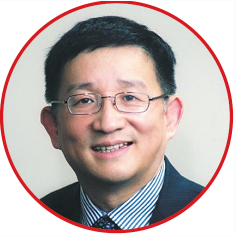
          Cheng Li
          Expert on China
          EDUCATION:

          1985: BA, East China Normal University, Shanghai

          1987: MA, University of California, Berkeley

          1992: PhD, Princeton University CAREER:

          1991-2006: William R. Kenan Professor of Government, Hamilton College

          2006-present: Member, Committee of 100

          2010-present: Member, Council on Foreign Relations

          Exchange of ideas key benefit of reform
          ZHANG RUINAN in New York
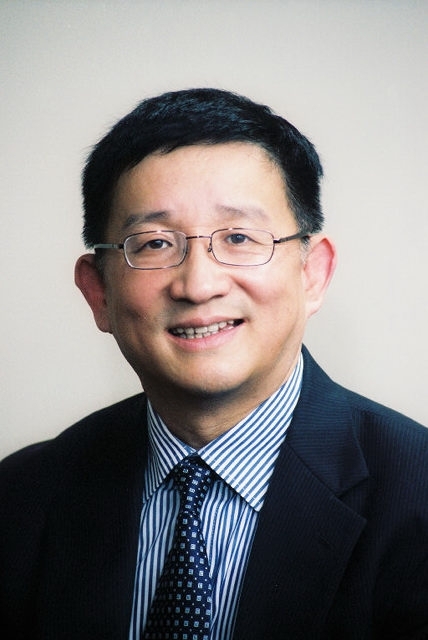
          Cheng Li. 

          Cheng Li, the first Chinese-American to lead the Brookings Institution's John L. Thornton China Center, arrived in the United States in 1985 to pursue a master's degree in Asian studies at the University of California, Berkeley.

          "I might be one of the earliest Chinese students who came to the US to study," said Li, who grew up on Yan'an Road in Shanghai's Jing'an district. "Actually I came as a self-sponsored overseas student, which was very unusual in China at that time. And I was told in the mid-1980s that about a quarter of the self-sponsored students studying aboard were from my district."

          After arriving in the US, Li said, "What I first noticed was the highway-in 1985, there were no highways in China."

          The second thing that surprised him was not buildings or cars, but ice cream.

          "There was a very famous ice cream store around UC Berkeley, which sold about 30 or 40 kinds of ice cream," Li said. "At that time in China there was only vanilla ice cream, so when you saw 40 kinds of ice cream it was also quite amazing.

          "Certainly there was culture shock, related not only to economics or lifestyle but also in China at that time everyone was part of a danwei, or work unit, so when I came to Berkeley I couldn't adjust myself to the human environment."

          The other challenge Li faced was the language barrier.

          "My English was certainly not good enough in listening comprehension, writing and speaking, so it was also a struggle for me," he said.

          Li said the two countries were very different at that time, but the latest generation of Chinese students heading to the US to study would not encounter such culture shock and challenges.

          There are more than 350,000 Chinese students studying at US universities, the largest group of international students by far. And according to statistics published by China's Ministry of Education, self-sponsored students made up 89 percent of Chinese studying overseas last year.

          "Now, China has more highways than the US," Li said. "Actually, China has 50 percent of the highways in the entire world."

          For Li, global thinking is the most significant change brought about by China's reform and opening-up policy. The exchange of knowledge and ideas with the West and the rest of the outside world changed China from an isolated country to a nation that embraces foreign ideas.

          "My generation was heavily influenced by Western ideas," said Li, who studied literature as an undergraduate. "For example, Renaissance literature was very influential for Chinese literature students at that time.

          "So that kind of learning, open-mindedness and the embracing of ideas from the outside world are very important to China. That period was very beneficial."

          Li added that the technological cooperation and cultural agreements signed by Deng Xiaoping and Jimmy Carter, then US president, in early 1979 really benefited the Chinese people and changed the lives of many members of his generation.

          He said he was grateful for the reform and opening-up policy, because it meant "I was able to study both in China and the US".

          The life and education experiences of his generation enabled him to use the things he learned from the two countries as a bridge to promote mutual understanding.

          Li said such things were important in lessening miscalculations, misperceptions and misunderstandings between the two countries.

          "This is something beyond our profession and occupation, it's the nature of our experience," he said. "I think the current tensions or conflicts (between China and the US) are temporary because, more than at any time, the two countries are integrated so much in so many ways-tourism, economics, education, scientific-and that's beyond anyone's imagination 40 years ago."

          Li added that China should continue to reform and open wider in the digital era, with its rapid development of new technologies and massive exchanges of people and ideas, to prepare for challenges and changes that may occur in the future.


          Cheng Li
          Expert on China
          EDUCATION:

          1985: BA, East China Normal University, Shanghai

          1987: MA, University of California, Berkeley

          1992: PhD, Princeton University CAREER:

          1991-2006: William R. Kenan Professor of Government, Hamilton College

          2006-present: Member, Committee of 100

          2010-present: Member, Council on Foreign Relations

          Exchange of ideas key benefit of reform

          ZHANG RUINAN in New York
          Cheng Li. 

          Cheng Li, the first Chinese-American to lead the Brookings Institution's John L. Thornton China Center, arrived in the United States in 1985 to pursue a master's degree in Asian studies at the University of California, Berkeley.

          "I might be one of the earliest Chinese students who came to the US to study," said Li, who grew up on Yan'an Road in Shanghai's Jing'an district. "Actually I came as a self-sponsored overseas student, which was very unusual in China at that time. And I was told in the mid-1980s that about a quarter of the self-sponsored students studying aboard were from my district."

          After arriving in the US, Li said, "What I first noticed was the highway-in 1985, there were no highways in China."

          The second thing that surprised him was not buildings or cars, but ice cream.

          "There was a very famous ice cream store around UC Berkeley, which sold about 30 or 40 kinds of ice cream," Li said. "At that time in China there was only vanilla ice cream, so when you saw 40 kinds of ice cream it was also quite amazing.

          "Certainly there was culture shock, related not only to economics or lifestyle but also in China at that time everyone was part of a danwei, or work unit, so when I came to Berkeley I couldn't adjust myself to the human environment."

          The other challenge Li faced was the language barrier.

          "My English was certainly not good enough in listening comprehension, writing and speaking, so it was also a struggle for me," he said.

          Li said the two countries were very different at that time, but the latest generation of Chinese students heading to the US to study would not encounter such culture shock and challenges.

          There are more than 350,000 Chinese students studying at US universities, the largest group of international students by far. And according to statistics published by China's Ministry of Education, self-sponsored students made up 89 percent of Chinese studying overseas last year.

          "Now, China has more highways than the US," Li said. "Actually, China has 50 percent of the highways in the entire world."

          For Li, global thinking is the most significant change brought about by China's reform and opening-up policy. The exchange of knowledge and ideas with the West and the rest of the outside world changed China from an isolated country to a nation that embraces foreign ideas.

          "My generation was heavily influenced by Western ideas," said Li, who studied literature as an undergraduate. "For example, Renaissance literature was very influential for Chinese literature students at that time.

          "So that kind of learning, open-mindedness and the embracing of ideas from the outside world are very important to China. That period was very beneficial."

          Li added that the technological cooperation and cultural agreements signed by Deng Xiaoping and Jimmy Carter, then US president, in early 1979 really benefited the Chinese people and changed the lives of many members of his generation.

          He said he was grateful for the reform and opening-up policy, because it meant "I was able to study both in China and the US".

          The life and education experiences of his generation enabled him to use the things he learned from the two countries as a bridge to promote mutual understanding.

          Li said such things were important in lessening miscalculations, misperceptions and misunderstandings between the two countries.

          "This is something beyond our profession and occupation, it's the nature of our experience," he said. "I think the current tensions or conflicts (between China and the US) are temporary because, more than at any time, the two countries are integrated so much in so many ways-tourism, economics, education, scientific-and that's beyond anyone's imagination 40 years ago."

          Li added that China should continue to reform and open wider in the digital era, with its rapid development of new technologies and massive exchanges of people and ideas, to prepare for challenges and changes that may occur in the future.

          主站蜘蛛池模板: 婷婷四虎东京热无码群交双飞视频| 91精品国产自产91精品| 好男人日本社区www| 婷婷伊人久久| 岛国av在线播放观看| 特级做a爰片毛片免费看无码| 亚洲国产精品一区二区第一页| 精品国产乱码久久久久夜深人妻 | 国产精品白嫩极品在线看| 亚洲欧美国产日韩天堂区| 国产成人a在线观看视频| 一本大道无码日韩精品影视| 国产成人无码A区在线观| 91人妻无码成人精品一区91| 一本一道中文字幕无码东京热| 高清美女视频一区二区三区| 色噜噜狠狠色综合成人网| 国产地址二永久伊甸园| 大香伊蕉在人线国产最新2005 | 亚洲高清国产拍精品5G| 日产精品99久久久久久| 欧美日韩免费专区在线观看| 超碰伊人久久大香线蕉综合| 日韩人妻无码精品久久| 亚洲国产成人精品无码区蜜柚| 国产微拍一区二区三区四区| 精品国产AⅤ无码一区二区| 日韩一区二区三区不卡片| 成人久久精品国产亚洲av| 人妻中文字幕精品一页| 天天躁夜夜躁狠狠喷水| 日韩高清不卡一区二区三区| 无码AV无码免费一区二区| 精品人妻一区二区三区蜜臀 | 老司机精品影院一区二区三区| 丁香婷婷在线视频| 国产精品午夜福利在线观看| 欧美牲交a欧美牲交aⅴ免费真| 免费国产99久久久香蕉| 国产精品www夜色影视| 野花香在线视频免费观看大全|