As US wavers on Syria pullout the country's future is in limbo









Analysts say it's hard to predict what will transpire as players seek leverage
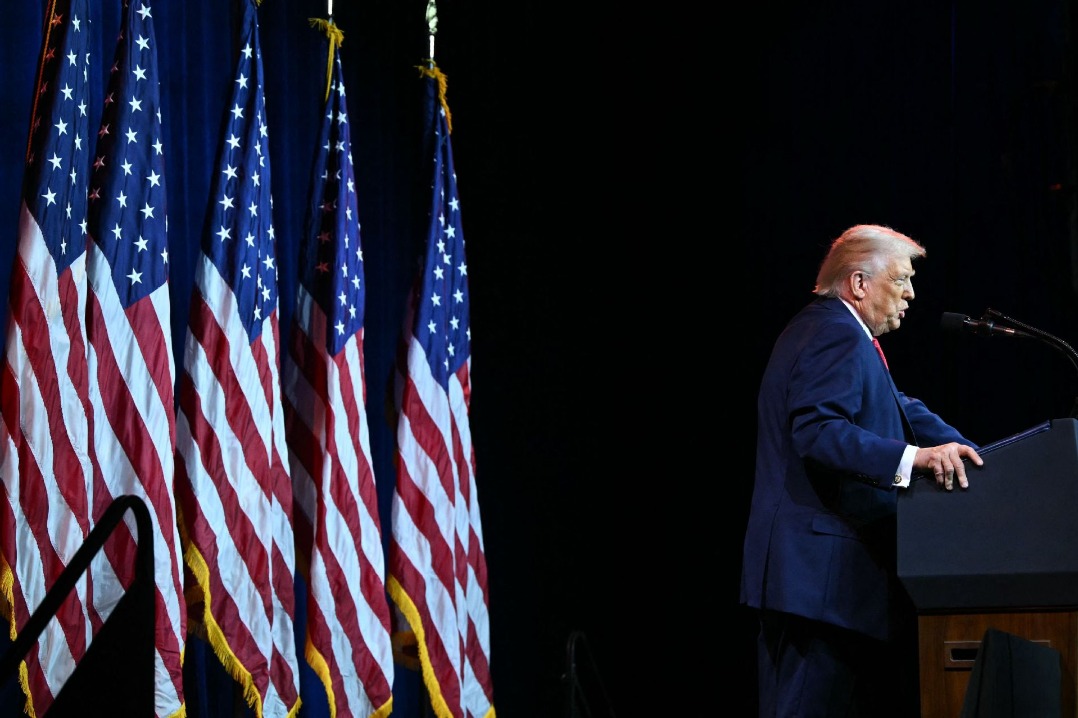
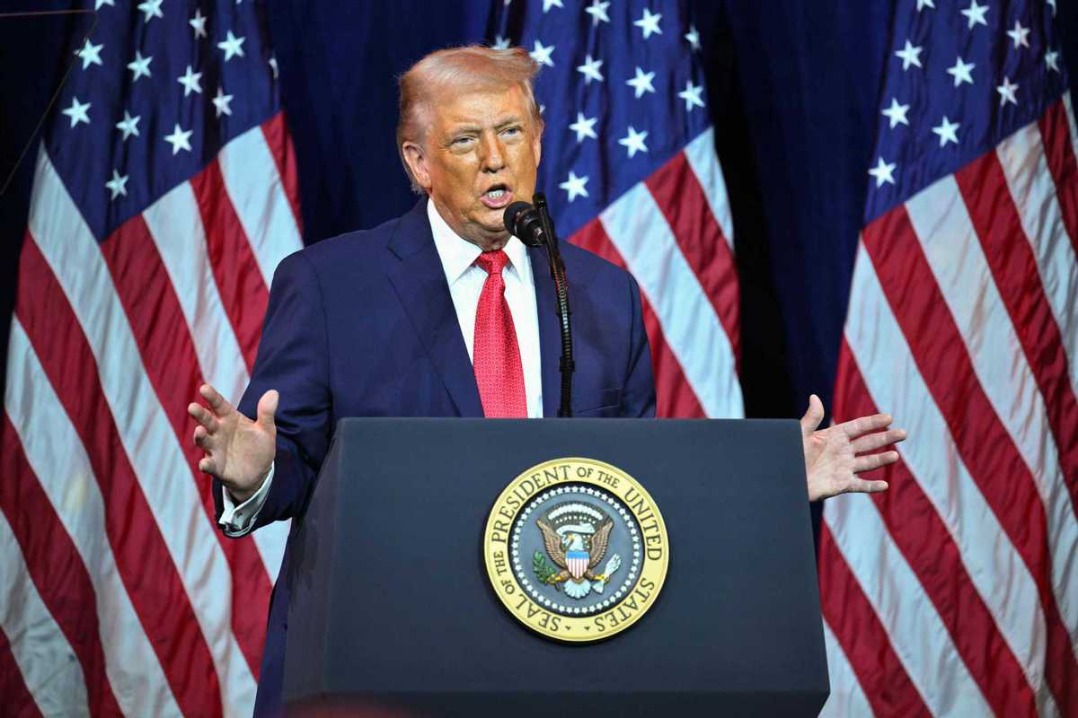
A December decision by US President Donald Trump to withdraw troops from Syria once again put the war-ravaged country in the spotlight.
In the weeks that followed, however, the United States has wavered on a speedy withdrawal, putting certain conditions on its exit to ensure the safety of its Kurdish allies on the ground.
That was made clear by John Bolton, the national security adviser, when he visited Israel on Jan 7. He said the US would pull its troops out only after the Islamic State group is sure to be defeated and Kurdish militias are safeguarded, essentially putting the departure on pause.
It is hard to say whether the terrorists will bounce back in the future. But one thing is for sure, say analysts, the chance is small that Syria will ever go back to the country it was before civil war broke out in 2011.
Dong Manyuan, vice-president of the China Institute of International Studies, said the fragmented situation in Syria isn't likely to change in a short period of time.
Syrian government forces have recovered around 60 percent of the country with the help of Iran and Russia, Dong said.
But uncertainty remains in the rest of the country, where the rebels, the US and Turkey are involved. A path to peace and stability is still not clear, Dong said.
Shu Meng, a researcher from the Middle East Studies Institute at Shanghai International Studies University, said it is difficult for the parties involved, to compromise and the differences will become more apparent after the US leaves.
"The withdrawal only means that the US will not continue to invest too many resources, but it will not give up its influence in Syria," she said.
Yin Gang, a researcher from the Institute of West-Asian and African Studies at the Chinese Academy of Social Sciences, said pulling back could involve Syria in a new round of conflicts and wars.
He said it may give Turkey a chance to launch more military actions in northern Syria, where most of the US troops are stationed.
"The withdrawal will leave a vacuum in the area, and Turkey may take advantage," Yin said.
Shortly after Trump's withdrawal announcement, Ankara sent more troops to its Syrian border in preparation for an offensive targeting the Syrian Kurdish People's Protection Units (YPG) militia and the IS group.
Turkey sees the YPG as a "terrorist offshoot" of the outlawed Kurdistan Workers' Party (PKK), which has waged an insurgency against Turkey since 1984. But the militia has been working with US forces in the fight against the IS.
However, Zhang Fan from the Chinese Academy of Social Sciences said Turkey will not be one of the top powers in Syria even with the absence of the US troops.
"Turkey has a very special geopolitical position, but it doesn't play a decisive role in the Middle East," he said. "Iran and Russia, on the other hand, will be the key forces to watch."
The two countries continue their influence in Syria, and Yin said Russia could be the only one that will not withdraw since the two governments have agreements to help the Syrian government.
Yuan Zheng, a researcher from the Institute of American Studies at the Chinese Academy of Social Sciences, said Bolton's speech reflected major differences among decision-makers in Washington.
"People in the military and Congress are not satisfied with Trump's decision to pull out from Syria as it's not in the interests of the US," he said. "It's hard to know how they persuaded or pressured the president, but the outcome is that Washington will not leave Syria as soon as Trump has claimed."
He said the timetable is yet to be decided, or at least is unlikely within a short period of time, before the US builds up the power to affect the future of Syria.
The changing US decision, Yuan said, could make the situation in Syria more complicated and disrupt the process of reconciliation between pro and anti-government forces.
It is also difficult to realize a political settlement.
Yin of the Chinese Academy of Social Sciences said the international community will continue to work for a political settlement process in Syria and conduct elections.
"But this can be very complicated and controversial, because many Syrians are in refugee status and outside of the country. How should they vote?"
As for the postwar reconstruction of Syria, Yin said redevelopment has started in some places, but other areas are still far away from this topic.
Dong also said that the government-controlled areas can only carry out construction slowly and on a small scale.
"The Syrian government and the Russians don't have enough financial resources, and Iran can't help much."
On the other hand, after years of conflicts, some Arab countries are starting to re-engage with Syria, which was expelled from the Arab League shortly after the war broke out.
Bahrain announced on Dec 29 that it will resume operations at its embassy in Syria.
The United Arab Emirates reopened its embassy in Damascus on Dec 27, while on the same day a Syrian flight landed in Tunisia with 150 passengers onboard, becoming the first trip between both countries in years.
Sudanese President Omar al-Bashir visited Syria on Dec 16, and was greeted by Syrian President Bashar al-Assad before they held talks on bilateral relations.
Zou Zhiqiang, a researcher from Shanghai International Studies University, said the actions mark the beginning of Arab reconciliation.