
<tt id="6hsgl"><pre id="6hsgl"><pre id="6hsgl"></pre></pre></tt>
          <nav id="6hsgl"><th id="6hsgl"></th></nav>
          国产免费网站看v片元遮挡,一亚洲一区二区中文字幕,波多野结衣一区二区免费视频,天天色综网,久久综合给合久久狠狠狠,男人的天堂av一二三区,午夜福利看片在线观看,亚洲中文字幕在线无码一区二区
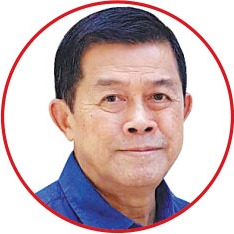
          Korn Dabbaransi
          Thai politician and social activist
          BORN:

          Sept 14, 1945

          CAREER:

          1986-88: Deputy minister of industry, Thailand (government of Prem Tinsulanon)

          1988-91: Minister, Office of the Prime Minister (government of Chatichai Choonhavan)

          1994-95: Minister, Office of the Prime Minister (government of Chuan Leekpai)

          Thai politician and social activist

          1996-97: Deputy prime minister (government of Chavalit Yongchaiyudh); Minister of industry

          1998-2000: Deputy prime minister (government of Chuan Leekpai); Minister of public health

          2002-03: Deputy prime minister (government of Thaksin Shinawatra)

          2003-present: President, Thai-Chinese Friendship Association

          2004-05: Minister of science and technology (government of Thaksin Shinawatra)

          "We respect every country's culture. You have your own opinion and I have mine, but we can share dinner together."

          Korn Dabbaransi, president of the Thai-Chinese Friendship Association

          Close bond with China inherited from ancestors

          Wen Zongduo in Hong Kong
          Korn Dabbaransi poses with giant panda Lin Bing's twin cubs at Wolong National Nature Reserve, Sichuan province, in August last year. [Provided to China Daily]

          Thai politician Korn Dabbaransi recalls meetings with top Chinese leaders over four decades

          It was during Thai politician Korn Dabbaransi's second meeting with Deng Xiaoping, in 1978, that he first learned of China's reform agenda.

          "China will open up, step by step," Deng told a visiting Thai delegation led by deputy prime minister Chatichai Choonhavan. Dabbaransi was part of the delegation as a vice-minister.

          After the "cultural revolution" (1966-76) which led to instability in society and brought production to a halt, China shifted its focus from politics to economic growth.

          Deng stressed that China would no longer keep its doors shut, and was ready to learn from other economies. "All things were being refreshed in China, Deng emphasized," Dabbaransi said. "He told us to visit Shenzhen and we did later that year. But Shenzhen at that time was almost empty, with lots of paddy fields."

          Back then, the city in southern China's Guangdong province was a cluster of fishing villages. However, Shenzhen was designated one of the country's four special economic zones for opening-up on Aug 26, 1980 - a historic change that would benefit a billion lives.

          Since then, investments from overseas, including Thailand, have turned it into China's most successful economic zone. When Dabbaransi visited Shenzhen again in 2018 for the 40th anniversary of the "Shenzhen Success Story", he said the city was "living proof right in front of your eyes".

          "Deng said Thailand and China will certainly be more than friends," said Dabbaransi, adding that Deng was carrying on the vision of late premier Zhou Enlai, who died in 1976.

          Dabbaransi met both Deng and Zhou for the first time in 1975. As secretary to Thai foreign minister Chatichai Choonhavan, the group visited Zhou in hospital in January that year.

          "I will never forget the welcome greeting from Premier Zhou to General Chatichai, who had never met each other before," he said.

          "The premier told my foreign minister: 'Welcome, son of my old friend.'" Zhou was referring to field marshal Phin Choonhavan, who fought in World War II as Zhou did.

          "That fateful meeting was truly extraordinary," Dabbaransi said. Diplomatic relations between China and Thailand were soon established, beginning on July 1, 1975.

          Later, Zhou suggested to Chatichai that another "people to people" channel should be established. That idea led to the birth of the Thai-Chinese Friendship Association in Thailand in 1976. It was headed by the general until 1998, and is currently led by Dabbaransi.

          Dabbaransi recounted his meetings with top Chinese leaders during his long career. Among the high-ranking Chinese officials he met were presidents Jiang Zemin and Hu Jintao, premiers Zhu Rongji and Wen Jiabao, and President Xi Jinping, who was then vice-president.

          He said the Chinese leaders since Deng's time have pushed for brotherly cooperation with Thailand and their collective and successive efforts over the years have led to China's successful development.

          "The success of China has caused ripples in all the seven seas of the world today," he said.

          1 2 Next   >>|
          Korn Dabbaransi
          Thai politician and social activist
          BORN:

          Sept 14, 1945

          CAREER:

          1986-88: Deputy minister of industry, Thailand (government of Prem Tinsulanon)

          1988-91: Minister, Office of the Prime Minister (government of Chatichai Choonhavan)

          1994-95: Minister, Office of the Prime Minister (government of Chuan Leekpai)

          Thai politician and social activist

          1996-97: Deputy prime minister (government of Chavalit Yongchaiyudh); Minister of industry

          1998-2000: Deputy prime minister (government of Chuan Leekpai); Minister of public health

          2002-03: Deputy prime minister (government of Thaksin Shinawatra)

          2003-present: President, Thai-Chinese Friendship Association

          2004-05: Minister of science and technology (government of Thaksin Shinawatra)

          "We respect every country's culture. You have your own opinion and I have mine, but we can share dinner together."

          Korn Dabbaransi, president of the Thai-Chinese Friendship Association

          Close bond with China inherited from ancestors

          Wen Zongduo in Hong Kong
          Korn Dabbaransi poses with giant panda Lin Bing's twin cubs at Wolong National Nature Reserve, Sichuan province, in August last year. [Provided to China Daily]

          Thai politician Korn Dabbaransi recalls meetings with top Chinese leaders over four decades

          It was during Thai politician Korn Dabbaransi's second meeting with Deng Xiaoping, in 1978, that he first learned of China's reform agenda.

          "China will open up, step by step," Deng told a visiting Thai delegation led by deputy prime minister Chatichai Choonhavan. Dabbaransi was part of the delegation as a vice-minister.

          After the "cultural revolution" (1966-76) which led to instability in society and brought production to a halt, China shifted its focus from politics to economic growth.

          Deng stressed that China would no longer keep its doors shut, and was ready to learn from other economies. "All things were being refreshed in China, Deng emphasized," Dabbaransi said. "He told us to visit Shenzhen and we did later that year. But Shenzhen at that time was almost empty, with lots of paddy fields."

          Back then, the city in southern China's Guangdong province was a cluster of fishing villages. However, Shenzhen was designated one of the country's four special economic zones for opening-up on Aug 26, 1980 - a historic change that would benefit a billion lives.

          Since then, investments from overseas, including Thailand, have turned it into China's most successful economic zone. When Dabbaransi visited Shenzhen again in 2018 for the 40th anniversary of the "Shenzhen Success Story", he said the city was "living proof right in front of your eyes".

          "Deng said Thailand and China will certainly be more than friends," said Dabbaransi, adding that Deng was carrying on the vision of late premier Zhou Enlai, who died in 1976.

          Dabbaransi met both Deng and Zhou for the first time in 1975. As secretary to Thai foreign minister Chatichai Choonhavan, the group visited Zhou in hospital in January that year.

          "I will never forget the welcome greeting from Premier Zhou to General Chatichai, who had never met each other before," he said.

          "The premier told my foreign minister: 'Welcome, son of my old friend.'" Zhou was referring to field marshal Phin Choonhavan, who fought in World War II as Zhou did.

          "That fateful meeting was truly extraordinary," Dabbaransi said. Diplomatic relations between China and Thailand were soon established, beginning on July 1, 1975.

          Later, Zhou suggested to Chatichai that another "people to people" channel should be established. That idea led to the birth of the Thai-Chinese Friendship Association in Thailand in 1976. It was headed by the general until 1998, and is currently led by Dabbaransi.

          Dabbaransi recounted his meetings with top Chinese leaders during his long career. Among the high-ranking Chinese officials he met were presidents Jiang Zemin and Hu Jintao, premiers Zhu Rongji and Wen Jiabao, and President Xi Jinping, who was then vice-president.

          He said the Chinese leaders since Deng's time have pushed for brotherly cooperation with Thailand and their collective and successive efforts over the years have led to China's successful development.

          "The success of China has caused ripples in all the seven seas of the world today," he said.

          主站蜘蛛池模板: 国产精品熟女一区二区不卡| 激情综合五月天开心久久| 亚洲人成色99999在线观看| 午夜成人无码免费看网站| 国产日产免费高清欧美一区| 日韩蜜桃AV无码中文字幕不卡高清一区二区| 亚州中文字幕一区二区| 成人午夜免费无码视频在线观看| 国产福利精品一区二区| 97人妻中文字幕总站| 国产小嫩模无套中出| 人妻少妇精品视频三区二区| 超碰成人人人做人人爽| 亚洲码和欧洲码一二三四| 亚洲av无码专区在线亚| 成人免费在线播放av| 无码AV无码天堂资源网影音先锋| 国产三级精品三级色噜噜| 午夜福利yw在线观看2020| 把腿张开ji巴cao死你h| 少妇真人直播免费视频| 亚洲精品熟女一区二区| 极品教师在线观看免费完整版| 国内精品久久黄色三级乱| 久久精品国产亚洲AV成人毛片| 亚洲av色图一区二区三区| 日韩日韩日韩日韩日韩熟女| 国产在线观看免费观看| 亚洲av色精品一区二区| 激,情四虎欧美视频图片| 国产99视频精品免费观看9| 亚洲AV永久无码精品秋霞电影影院 | 亚洲第一极品精品无码久久| 亚洲熟女精品中文字幕| 天堂av色综合久久天堂| 国产精品美女一区二三区| 国产91色在线精品三级| 精品久久久久中文字幕APP| 久久精品蜜芽亚洲国产av| 色综合天天综合网天天看片| 国产在热线精品视频|