



Taxing the US rich gaining more support









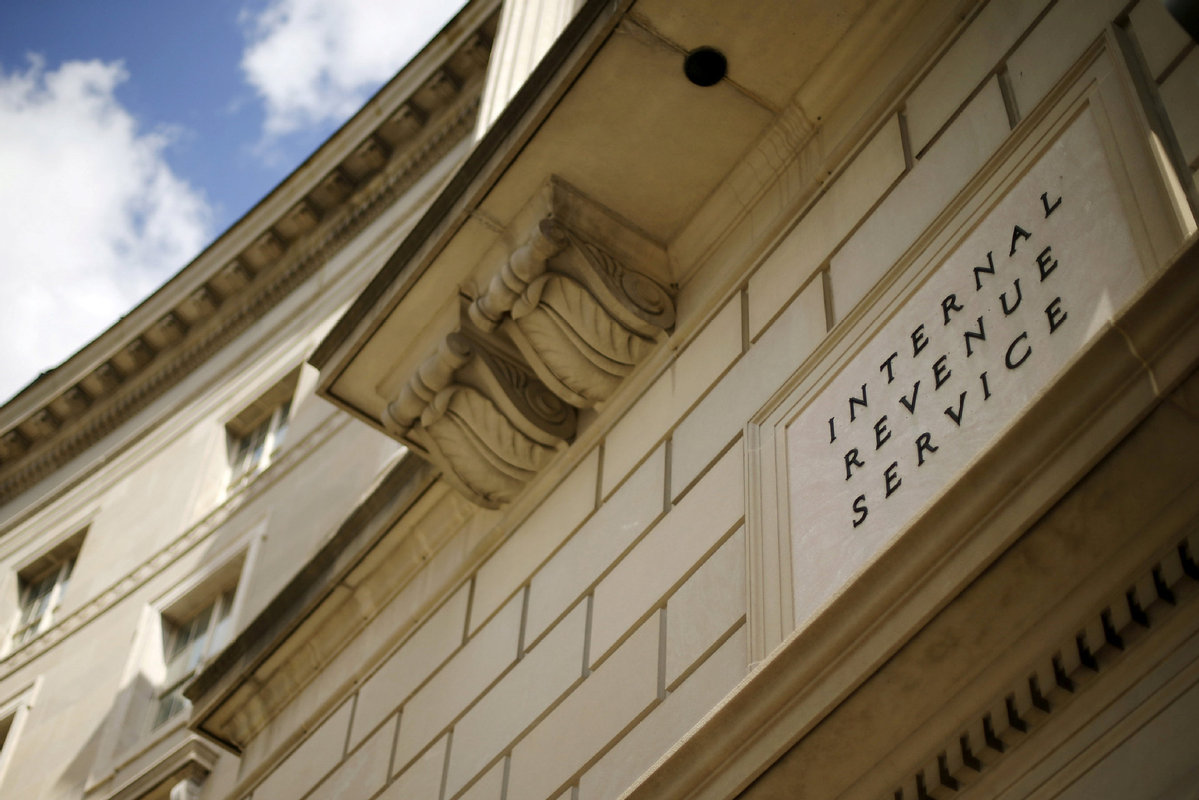
Billionaires such as Gates and Buffett worry about severe wealth inequality
NEW YORK - Long out of favor in the United States, the idea of taxing rich individuals and corporations to pay for healthcare or combat inequality is gaining ground among Democratic politicians.
While the US reveres free enterprise and is home to the world's largest number of billionaires, such tax proposals have been gaining traction in political circles in recent weeks.
More than one Democratic contender in next year's presidential elections is campaigning on some plan to tax the wealthy.
And they have been encouraged by famous billionaires, such as Bill Gates and Warren Buffett, the world's second and third wealthiest people, who worry about the country's severe wealth inequality.
Vermont's left-leaning Senator Bernie Sanders was among the first in the recent wave. During his 2016 presidential campaign, he called for higher federal income taxes to pay for free college tuition and universal healthcare.
Massachusetts Senator Elizabeth Warren has proposed a 2-percent wealth tax starting at $50 million in earnings. New York Senator Kirsten Gillibrand is calling for a levy on financial transactions, and Sanders says inheritances should be taxed up to 77 percent.
With the Democrats in control of the House of Representatives, the undisputed media star of the freshman class, New York's Alexandria Ocasio-Cortez, is leading the charge: She has proposed a tax of 70 percent on any income more than $10 million to help pay for a proposed "Green New Deal" to de-carbonize the US economy and help prevent catastrophic climate change, while offering universal healthcare and guaranteed employment.
This so-called marginal rate of 70 percent is not unprecedented in the US, but was last at that level in 1981. The current top marginal tax rate is 37 percent.
Raising corporate taxes is another Democratic priority, a subject inflamed by the recent controversy over Amazon, which has reported no federal income tax expenses for the past two years. That has stoked debate over highly profitable companies that do not pay into government coffers.
Some Republicans have pushed back, with outspoken Ocasio-Cortez drawing the most fire.
Grover Norquist, an anti-tax activist who has long pushed Republican lawmakers to pledge never to raise taxes, warned in January against soaking the rich, saying such taxes "always slip down to hit the rest of us".
But Joseph Thorndike, a historian specializing in US tax policy, said a reversal of the post-War trend of cutting taxes is within sight.
'Social tensions'
"Something is happening here," he said. "We are beginning to have a discussion that we haven't had since the 1960s or even the 50s."
Top marginal tax rates in the US were very high following World War II, maximizing out at 94 percent. They began to fall in the 1960s and were slashed again under president Ronald Reagan in the 1980s.
In late 2017, US President Donald Trump and the Republican majority in Congress cut corporate and personal income tax rates, despite unanimous Democratic opposition.
Trump, also a billionaire, has attracted scorn for refusing to disclose his own income tax returns, and accusations that his family maintained its wealth by evading taxes, an accusation he denies.
Why has the debate changed?
Yawning income gaps are one reason, Thorndike said.
"People are willing to tolerate rich people getting richer as long as middle class people are also doing better," he said. "When the middle and laboring class is stagnating, that creates social tensions."
A Morning Consult poll conducted late last month for the Politico new sites found 74 percent of voters were generally in favor of higher taxes for the rich, while 73 percent favored this for corporations.
Furthermore, 90 percent believed such tax revenues should go to pay for healthcare or infrastructure.
Agence France-Presse










