



Lab-made meat firms make hay from China's green efforts









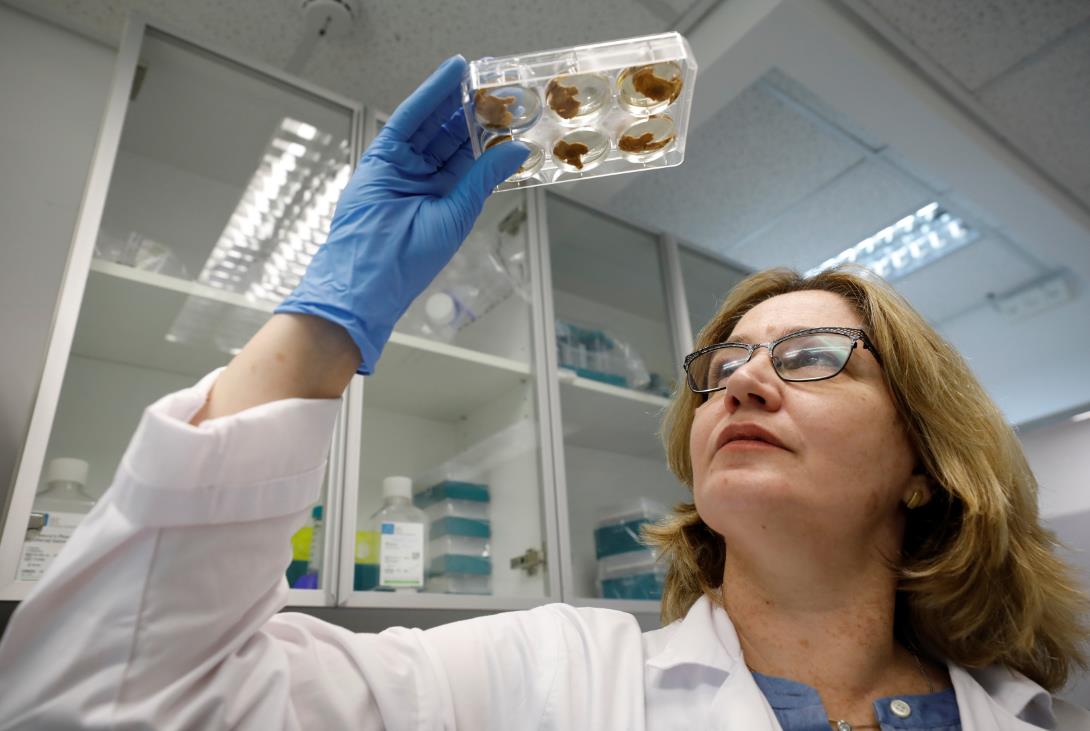
Artificial meat may not exactly be the gourmet choice as most people see it as something that goes against the norm of eating meat. And that opposition intensifies if one were told that the meat has been developed in laboratories through cell culture. But all of that may change soon as vegan meat, developed from plant protein, is increasingly finding acceptance with Chinese customers as a viable alternative.
Evidence to this were the crowds thronging a tasting event in Shanghai in May featuring various egg-related dishes like the traditional Chinese tomato and egg stir fry, the Japanese egg cake tamagoyaki to egg sandwiches, all of which were made without cracking a single eggshell. All the products, however, had one thing in common - vegan egg, an egg substitute developed by a Silicon Valley based food-tech company using plant protein extracted from mung beans.
Josh Tetrick, CEO of Just, a US-based firm, said plant-based foods are becoming increasingly popular with Chinese consumers, judging by the excellent response to its vegan eggs.
"We have been receiving great reports about the product's taste, texture and functionality from Chinese consumers," he said.
Like fake meat (or egg), plant protein-based products are slowly emerging as viable food alternatives in the global market, experts said.
In the mass consumption sector, plant protein is used to make dairy drink substitutes or nutrition supplements. But the most discussed application at the moment is vegan meat - using the protein from peas or beans to mimic the texture and taste of meat, fish, dairy or egg.
After the US startup Beyond Meat, a company that makes plant-based meat substitutes, went public this May, the plant protein industry has caught the fancy of the investment community. Switzerland-based UBS, a global investment firm, expects the global market for plant-based protein and meat alternatives to rise from $4.6 billion in 2018 to $85 billion by 2030.
The report said such business modes would be successful in the next decade as the technology can mimic meat, fish, egg and dairy without slaughtering animals and reduce the carbon footprint.
Yantai Shuangta Food, a Chinese plant protein maker, has already seen its shares surge on the Shenzhen Stock Exchange due to rising demand for its products. The company has said that researching and developing man-made meat will be one of its major thrust areas in the future.
Startups from home and abroad have shown commitment to tapping into China's market, as part of the ongoing efforts to reduce food disparities and carbon footprint.
"China produces about 435 billion eggs every year and demand for protein is increasing. Urbanization, population growth and higher incomes are accelerating that demand, yet available arable land is diminishing," said Tetrick, who believes that the more environmentally friendly vegan eggs will become popular in China as sustainable eating is gradually gaining ground nationwide.
Cyrus Pan, Just China general manager, said its current targets are Chinese consumers who are affluent individuals who pay attention to healthy and more sustainable eating habits, but in the future, it would target wider and more diverse demographics.
Beyond Meat is also planning to enter China this year, and its major rival Impossible Foods Inc is set to tap the mainland market in two years as it has been selling products in over 150 restaurants in Hong Kong.
"The Chinese market for vegan foods is not big now, but as the entire industry benefits from the consumption upgrade and growing health awareness, it will see a relatively big development," said industry expert Zhu Danpeng.
Zhu said the demographics for man-made meat in China are still small, which means it will not create any shock to the traditional pork market.
"Currently the vegan industry is export-oriented, for example, Shuangta Food's major food market is based abroad," he said, adding that domestic companies see man-made food as one single product instead of a complete industry.
However, he predicted the industry will see fast growth in the next five years.
In the beverage sector, where plant protein - from soy beans, peanuts, oats, coconuts, walnuts and many more is widely used to make dairy substitutes, it is seeing stable momentum.
According to Qianzhan Industry Research Institute, by 2020 the plant protein beverage market is expected to top 258.3 billion yuan ($37.5 billion), almost a quarter of the country's entire beverage business.
In March, Six Walnuts, a listed subsidiary of Hebei Yangyuan Zhihui Beverage that makes walnut drinks, said net profit reached 2.67 billion yuan in 2018, up 15.92 percent year-on-year.
Oatly, a Swedish oat milk brand, has also been gaining popularity in China among the boutique coffee shops. According to its China general manager Zhang Chun, the oat milk had quickly entered over 1,000 coffee shops in China by the end of 2018 from 52 in April that year.
However, Zhu said the growth pace of the plant protein market in China is slowing down, from a vast leap between 2013 and 2016, to a stable but slowing increase over the past two years.
"The major Chinese players in the plant protein drink industry have all been facing problems due to their outdated products. To ensure healthy development, the sector badly needs innovation," he said.



















