Shakespeare translations move from page to stage









New Mandarin-language versions of the classic plays Hamlet and Henry V have been published as part of an expansive project to bring improved translations of English playwright William Shakespeare's greatest works to a Chinese audience.
The two new texts are the first to be released as part of the Shakespeare Folio Translation Project. First announced in 2016, the initiative aims to produce 24 new translations of Shakespeare's plays through a process that includes performance-based workshops.
Translators joined actors, directors and playwrights in rehearsal rooms when coming up with the latest Mandarin versions of the first two plays to be translated.
This performance-based way aims to produce theater-friendly translations of Shakespeare that will resonate with audiences in China. A common criticism of past Mandarin versions of the plays is that they are better suited to the page than the stage.
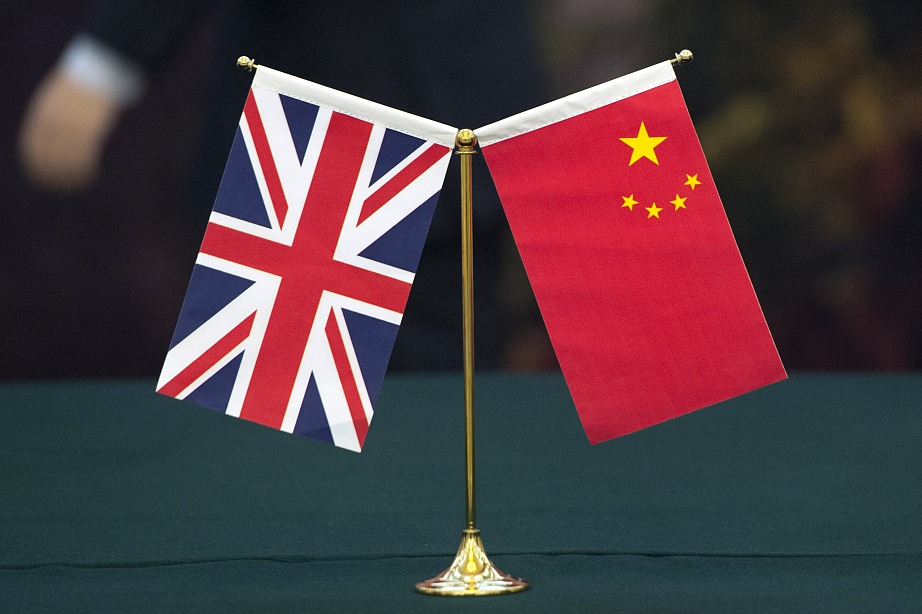
The Shakespeare Folio Translation Project is a collaboration between the Royal Shakespeare Company and Birmingham University in the United Kingdom, and Nanjing University in China.
Jiangsu-based Phoenix Publishing & Media Group is the project publisher, and company chairman Liang Yong said the new translations will "present Chinese readers with a vivid and modern Shakespeare. "Phoenix Group is proud to forge partnerships with two global leading universities, take advantage of each party's competitive edges, and serve Chinese readers with better publications," Liang said.
Scholars at Birmingham have conducted research into Shakespeare's life and works and the university heads up the Shakespeare Institute at his birthplace in nearby Stratford-upon-Avon. "This collection of research represents a landmark for the millions of Shakespeare aficionados in China and I am delighted that such a milestone Chinese-language publication is the product of our partnership in Nanjing," said David Eastwood, Birmingham University vice-chancellor.
The project, he added, will give Chinese people "greater access to Shakespeare" and "benefit students across China".
Translating Shakespeare into Mandarin is a notoriously difficult process, according to Sun Yanna, associate professor in the department of foreign languages at Zhengzhou University.
English is a phonetic language whereas Chinese is a tonal language, so maintaining Shakespeare's rhythm in translation is tricky, said Sun, who has published research into the Chinese translations of Shakespeare. The difference between today's English and that spoken in the Elizabethan era-Shakespeare lived from 1564 to 1616-and his use of wordplay adds an extra level of complexity, Sun added.
"The use of puns in Shakespearian plays is another real challenge facing the Chinese translator as well, for the ambiguity of the pun will be easily distorted in Chinese," said Sun.
These difficulties meant that early Chinese theater productions of Shakespeare were closer to adaptations than translations.
Liang Shih-chiu was the first person to translate Shakespeare's complete works into Chinese, a feat completed in 1967. His texts are more widely used in the classroom than on the stage.
Before his death in 1944, renowned linguist Zhu Shenghao translated a total of 31 Shakespeare plays, versions which have become among the most popular with actors and directors in China, according to Nancy Pellegrini, author of The People's Bard: How China Made Shakespeare its Own.
Zhu afforded himself some flexibility in his work, insisting that word-for-word translation meant the original meaning would often be lost, especially passages including puns, symbology, and innuendo.
By involving actors and directors, the Shakespeare Folio Translation Project hopes the new translations will be theatrically effective to a modern audience. Organizers aim to complete the entire project by 2023, which marks the 400th anniversary of the publication of Mr. William Shakespeare's Comedies, Histories, & Tragedies, commonly referred to as the First Folio.
Plays set for translation include King Lear, The Tempest, Twelfth Night, Antony and Cleopatra, Julius Caesar, Romeo and Juliet, Troilus and Cressida, The Merry Wives of Windsor and As You Like It.