



FMCG outlets witness considerable momentum in 2019









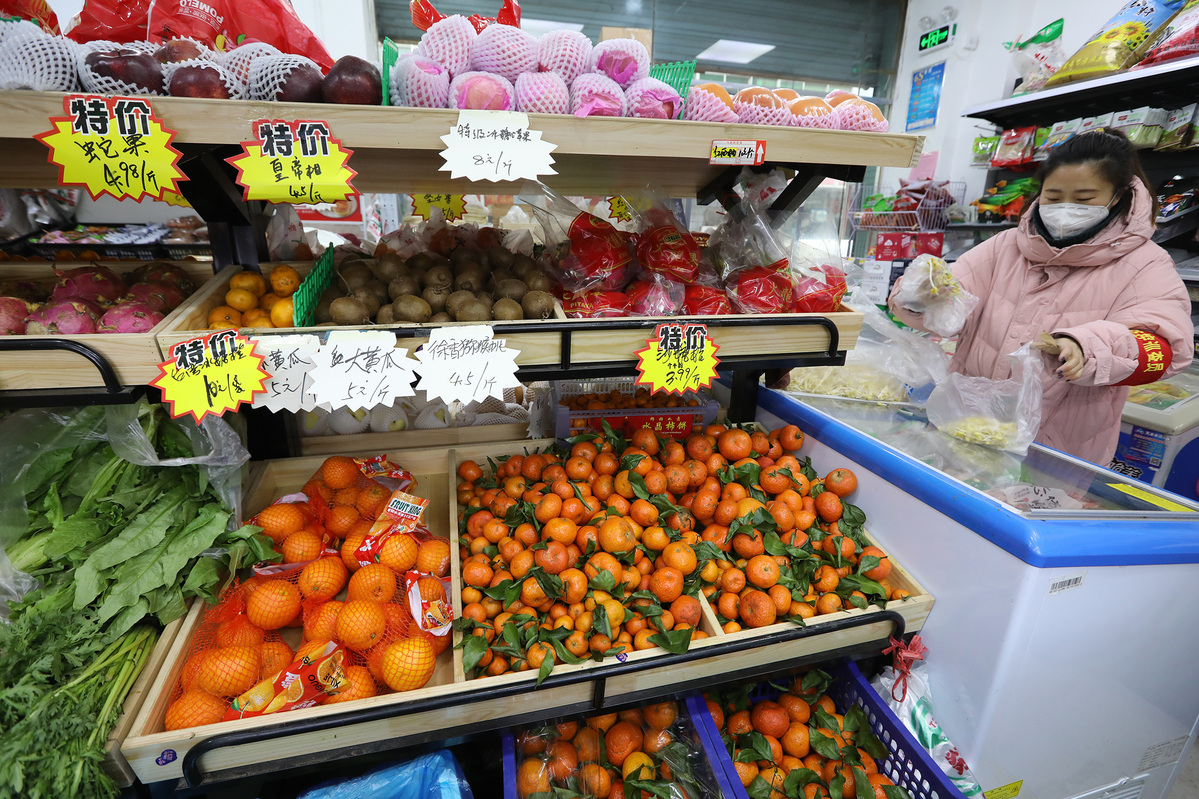
China's fast-moving consumer goods (FMCG) sector has grown by 5.3 percent in 2019, an industry report said.
The latest data from Kantar Worldpanel showed that spending on FMCGs in urban China grew by 5.3 percent in 2019, up by 0.2 percentage point compared to the previous year.
Packaged food consumed at home continued to see a slowdown in growth, reported at 3.1 percent in the fourth quarter of last year and 2.5 percent in the whole of 2019.
Categories with health and wellbeing benefits continue to outpace the market though.
Home-care and personal care categories maintained a strong performance, reporting 8 percent and 11.5 percent growth respectively in 2019, driven by the desire of younger consumers to upgrade their lifestyles.
The western region and prefecture level cities were up by 6.7 percent and 5.9 percent respectively.
Modern trade which includes hypermarkets, supermarkets, and convenience stores grew by 1.1 percent, 1.2 percentage points lower than in 2018, with hypermarkets and large supermarkets leading the slowdown in growth.
E-commerce continued to record a staggering 36.2 percent growth in FMCG, with 78 percent of Chinese urban families purchasing FMCG online at least once over the year with an average frequency of 14.5 times in the past one year.
Looking ahead, the report forecast big players to recover as they embrace digital transformation and diversify their operations model.
Both RT-Mart and Walmart have remodeled their stores, adding features such as self-service facial recognition checkouts. They are also leveraging multi-format strategies to bring customers convenience and freshness aside from value.
The success of Costco's opening in China suggested that Chinese shoppers are willing to shop in big box retailers if they are able to offer quality products with a strong value appeal, the report said.
The market will be increasingly dominated by a handful players who focus on online to offline delivery services such as JD, Ele.me, Meituan as well as third-party players such as Dmall.
Delivery services are expected to reach a new penetration high given concerns over the novel coronavirus epidemic in the first quarter.
The continuously rising store rental and labor costs along with strong consumer demand for convenient shopping experiences have demanded that stores generate higher sales per square meter and more straightforward store layouts for their customers.
In 2019, most large players have launched new small formats, such as Yonghui Mini and WalmartHuixuan to get closer to shoppers and meet their daily needs.
Local retail giants have also intensified their merger and acquisition activities to expand their presence across different retail formats and areas.
The Top 10 brick and mortar retailers in China in 2019 only took up less than 60 percent share of modern trade, even in the coastal regions.
As the growth in the future is increasingly determined by operational efficiency rather than blind expansion, more merger and acquisition activities will help consolidate the retail landscape and make big players even stronger at a regional level before more national players emerge, said the report.
Consumers in China's less-developed areas are driving the next wave of consumption growth in the country.
Over the past three years, the gap in e-commerce penetration between upper and lower tier cities has narrowed, with 75.7 percent of shoppers in lower tier cities using e-commerce to buy FMCG products.
As China's top tier markets have become saturated, more growth is expected to come from lower tier cities this year.




















