



Expert calls for more research on COVID-19









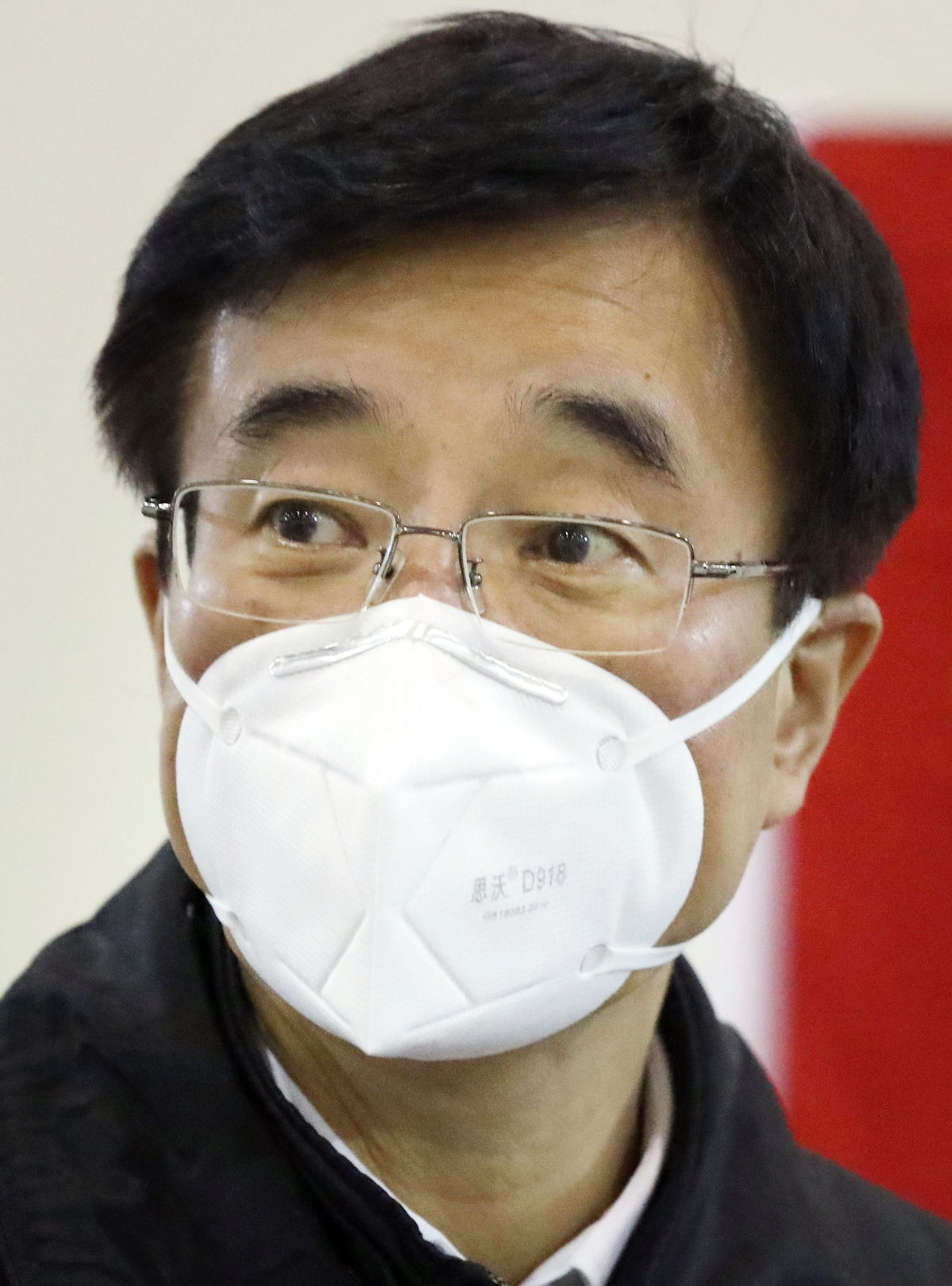
A noted respiratory expert has called for more study on the novel coronavirus and more focus on medical science and research, particularly respiratory medicine, to better cope with future outbreaks of major infectious diseases.
China's control efforts on COVID-19 have shown to be highly effective, "but this is not the time to take a breather," said Wang Chen, president of the Chinese Academy of Medical Sciences.
"We can never underestimate the insidiousness of the virus or relax on control and prevention efforts," he said at a seminar on the development of respiratory medicine in Wuhan, Hubei province, on Monday.
"We only have very limited knowledge about the novel coronavirus, and we are far from clear on its evolution and its impact on human health, society and economy," he said. "It is our duty, as professionals in respiratory diseases, to keep researching and formulating effective prevention, control and treatment methods for the virus."
At another event on Friday in Wuhan, Wang also stressed the importance of conducting meticulous, quality research now that the pandemic has entered a phase of transformation.
"We don't know if the virus can come back like the flu, or if it will become a chronic infection like hepatitis B, or just quietly disappear like SARS," he said. "Could there be a fourth or fifth scenario?"
The central government has asked for epidemiological surveys in local and hard-hit regions. "This will help us identify exactly how many so-called asymptomatic carriers are there," Wang said, adding that the surveys should be carried out scientifically and economically.
When the epidemic blows over in China, scientists should re-examine patients in the following three and six months, as this long-term data will truly show how immune people are to this pathogen, he said.
"Only with this evidence can we develop more proactive scientific prevention measures and not be subject to the pandemic's mercy as it ravages the world," he said.
Wang said the COVID-19 epidemic serves as a wake-up call for China to pay greater attention to medical sciences and research, which currently lacks proper top-down design and supporting institutional mechanisms.
In many global medical powerhouses, research into life and medical sciences can take up 40 to 70 percent of the research and development budget, but this figure is significantly lower in China, he said.
"Development in medical sciences is crucial for public health, national security and social stability," he added.
"The biggest challenge in our public health system is to combine and integrate clinical practices with prevention mechanisms," he said.
Wang stressed the importance of cultivating more respiratory professionals, who have played a key role in rescuing seriously ill COVID-19 patients in Wuhan.
Of more than 42,000 medical workers sent to Hubei province from across China to aid treatment of patients in the province, at least 6,000 are professionals in the fields of respiratory and critical care medicine, according to Wang.
However, compared with many other medicine disciplines, respiratory medicine is lagging behind, which requires urgent efforts to reduce the gap, he said, adding improving cultivation and training of talent is of primary importance.
Empowering respiratory medicine can also help China better prepare to cope with possible outbreaks of other major infectious diseases, Wang said.
"Throughout human history, the two biggest infectious diseases were both respiratory diseases-the Black Death and the flu epidemic in 1918," he said.
"It is expected that future infectious diseases that result in upheavals in human society will continue to be respiratory infectious diseases."


- Nation ups ante against telecom fraud
- China releases white paper on Hong Kong's efforts in safeguarding national security under One Country, Two Systems framework
- Elite study program reforms, revives
- Oversight of food and drug cases boosted
- Study shows TCM raised live birth rates in over 35s
- 'Protein factories' linked to age-related infertility












