Virus could bring about epic changes









A much cited quotation in recent months has been Vladimir Ilyich Lenin's observation that "there are decades where nothing happens and there are weeks where decades happen".
It has been used by a range of social commentators, activists, and futurologists to argue that the need to respond to a global pandemic may have accelerated profound changes that were already slowly happening.
They can be roughly divided between the optimists, who believe the crisis will focus minds on the need to speed progress on issues such as climate, food security, and public health, and the pessimists who fear some changes could be for the worse.
While some look forward to more urgent action to tackle challenges such as global warming, others fret that the unprecedented levels of technological surveillance needed to confront the spread of the virus might outlast it.
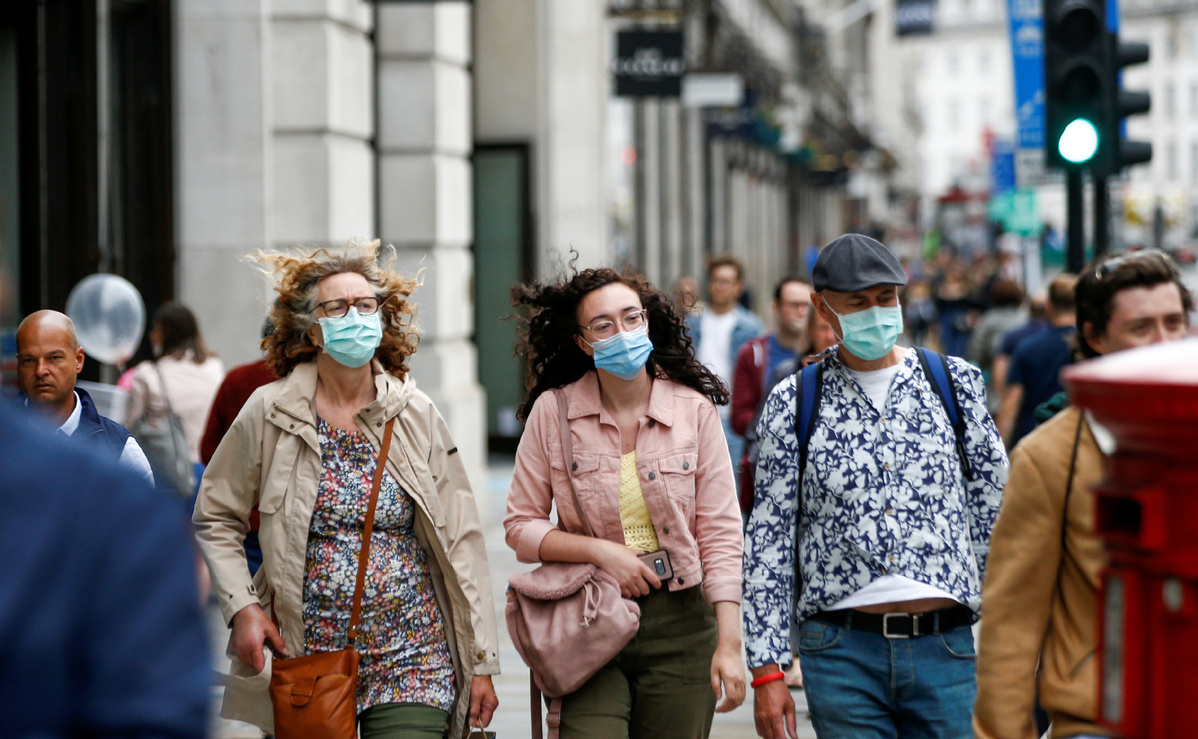
However, there is a general consensus that, as we reach the midpoint of 2020, things will never be quite the same again.
The BBC, the UK's public broadcaster, introduced a series it ran on rethinking the world after the COVID-19 crisis by noting: "Six months ago, in what seems like a different life - a prequel to the surreal narrative of 2020 - we rang in the New Year… But none of us could possibly have conceived of the 'new normal'to which we would so quickly adapt."
A follow-up program at the weekend, in which the BBC invited members of the public to offer their views, revealed a certain level of wishful thinking about post-pandemic progress.
Callers suggested the lessons of the pandemic would highlight the need for countries to develop domestic food production, to ration air travel, to refocus education toward health and exercise.
Others said the crisis had highlighted the vital role performed by some of the lowest-paid in society, including health workers and shop staff, and hoped that this would prompt a radical revaluation of their incomes.
Some government leaders, including those criticized for their poor handling of the crisis, have jumped on the bandwagon of public calls for change, and have pledged reform.
UK Prime Minister Boris Johnson promised a post-COVID spending splurge even as he warned that "we're about to have the thunderclap of the economic consequences".
Across the English Channel, President Emmanuel Macron pledged that France after COVID-19 needed to create an economy that was "strong, green, sovereign, and one of solidarity".
In the US, where Democratic challenger Joe Biden is leading in the polls ahead of November's presidential election, his campaign is focusing on the topic of affordable health care for all, which has been reinvigorated by the crisis.
The open question is whether such forward-looking pledges can survive the realities of the many countries heading for their worst economic challenge since at least the 2008 financial crisis.
In an article for the US's CNBC business channel, its Beijing correspondent, Evelyn Cheng, quoted analysts as saying China looked set to be one of the few countries that will expand, economically and politically, in the wake of the pandemic.
She noted that International Monetary Fund projections showed China was set to grow by more than 1 percent in 2020, while the US economy will likely contract by nearly 6 percent.
Some experts insist that change is coming even if it is not entirely clear in all societies where the money for it is coming from.
Echoing Lenin's dictum, German academic Maja Gopel, who studies societal transformation, said in an interview that the novel coronavirus crisis proved that radical change can happen in a short period of time.
"In an ideal world, it would be really good if we went back to understanding what our concept of value is," she said. "And, I think this is where corona really helped us, what are the things that are really important to us?"
The Israeli historian and futurologist Yuval Noah Harari, writing in March as COVID-19 gripped much of Europe, believed decisions taken by people and governments during a few short weeks would probably shape the world for years to come.
Decisions that in normal times could take years of deliberation, he suggested, are passed in a matter of hours.
"When choosing between alternatives, we should ask ourselves not only how to overcome the immediate threat, but also what kind of world we will inhabit once the storm passes," he wrote in the Financial Times.
He was worried measures taken to confront the health crisis might cause an explosion of technological surveillance but said they also highlighted the importance of global cooperation.
"A coronavirus in China and a coronavirus in the US cannot swap tips about how to infect humans. But China can teach the US many valuable lessons about coronavirus and how to deal with it," Harari wrote.
Some people remain skeptical about whether the world will learn the lessons provided by personal and governmental responses to the crisis. As one caller to the BBC phone-in put it: "Humans quickly forget."
Harvey Morris is a senior media consultant for China Daily UK.