Homebodies thrive on solitary lifestyles









Family difficulties
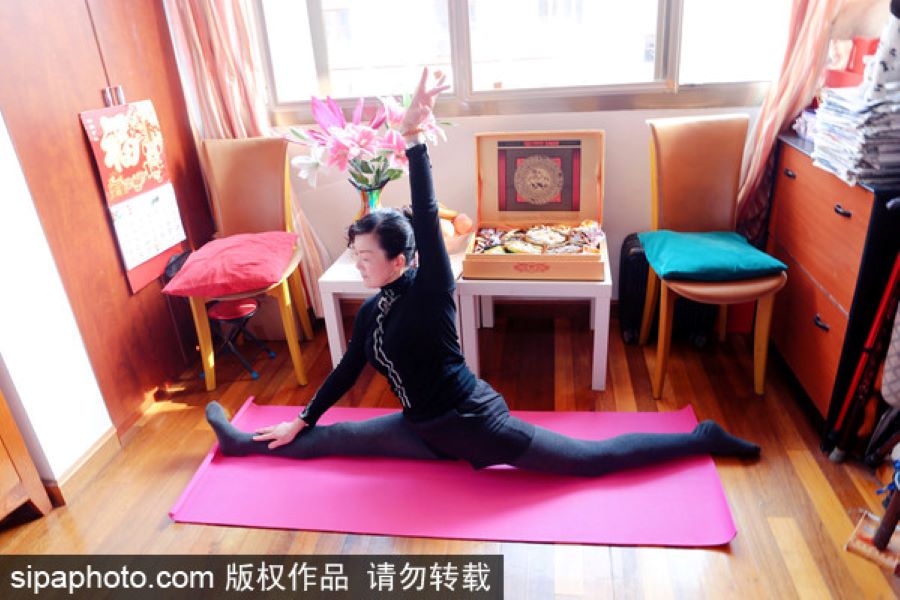
For Song, home is not only a place to eat and rest, but also her office and entertainment venue.
She said it has been difficult for her family and friends to understand the lifestyle she has chosen.
"My friends, who know that I prefer to stay at home chatting with them by instant messenger rather than going out, have gradually stopped inviting me to social activities," she said.
Song added that some friends started to become curious about her lifestyle during the pandemic. They wanted to know how otaku entertain themselves at home for long periods without getting bored.
"Self-quarantining gives you so many choices. I tell my friends they can go fishing in their fish tanks, complete a jigsaw puzzle, learn a language or computer programming, do yoga and meditate," Song said.
"Being at home doesn't mean we are not interested in the world, as we have our own hobbies and interests. However, we are not usually interested in aimless social interaction and don't want to waste our time casually chatting with others."
During the pandemic, many people have found it easy to live solitary lifestyles, as social distancing is practiced to contain COVID-19.
Millennials-adults in their 20s and 30s-who have been under lockdowns in major cities worldwide, including Beijing, Tokyo and New York, face the prospect of further isolation after the outbreak, but experts said this generation is best-prepared for such hardships.
"Homebody culture" first emerged in societies with developed economies and a mature consumer culture.
In the 1980s, many young people in the United Kingdom were known as "couch potatoes", as all they did after work was lie on a sofa, eat junk food and watch TV.More than 30 years later, a new generation still finds it hard to get off the couch, and even out of the house, despite being aware of the health risks posed by leading a sedentary lifestyle.
In Italy, such people are known as pantofolalo, the Italian word for slippers. A media survey in the country found that 57 percent of Italians prefer to stay at home reading, cooking, surfing the internet, watching TV, or even exercising.
In South Korea, more people-young and old-are taking to life at home.
The country's internet penetration rate exceeds 75 percent and its online games industry is highly developed.
In late 2016, a report by the South Korean Ministry of Culture, Sports and Tourism showed output in the country's cultural content industry that year reached $3 billion. The online games industry, which is highly popular among South Korean homebodies, contributed $1.5 billion of this total, ranking second in the world.
In the United States, more young people are also staying at home.
In 2018, a study published in the journal Joule found that people ages 18 to 24 in the US spent 70 percent more time at home than the rest of the population. Another survey that year, conducted by the marketing research company Mintel, showed that those in this age group preferred to drink at home, as they said going out required too much effort. Only 15 percent of US baby boomers said they wanted to adopt such a lifestyle.
In China, the number of otaku surpassed 400 million last year, underscoring a steady growth trend, according to big data intelligence services provider QuestMobile. Those in the 25 to 34 age group accounted for more than 40 percent of homebodies.
Although "homebody culture "was initially popular in Europe and the US, China has seen exponential growth in internet users, especially among Generation Z-those born between 1995 and 2009. The country's otaku now far outnumber those in other countries and regions.
Opinions differ on the issue. In the book Shutting Out the Sun: How Japan Created its Own Lost Generation, by US journalist and author Michael Zielenziger, homebodies are described as dreamers and artists who choose to withdraw from a fast-paced life that left them exhausted.
According to professionals, including psychologists, developing Asperger's syndrome or similar disorders may contribute partly to people's decision to stay home.