



Guideline cites incubation period of virus









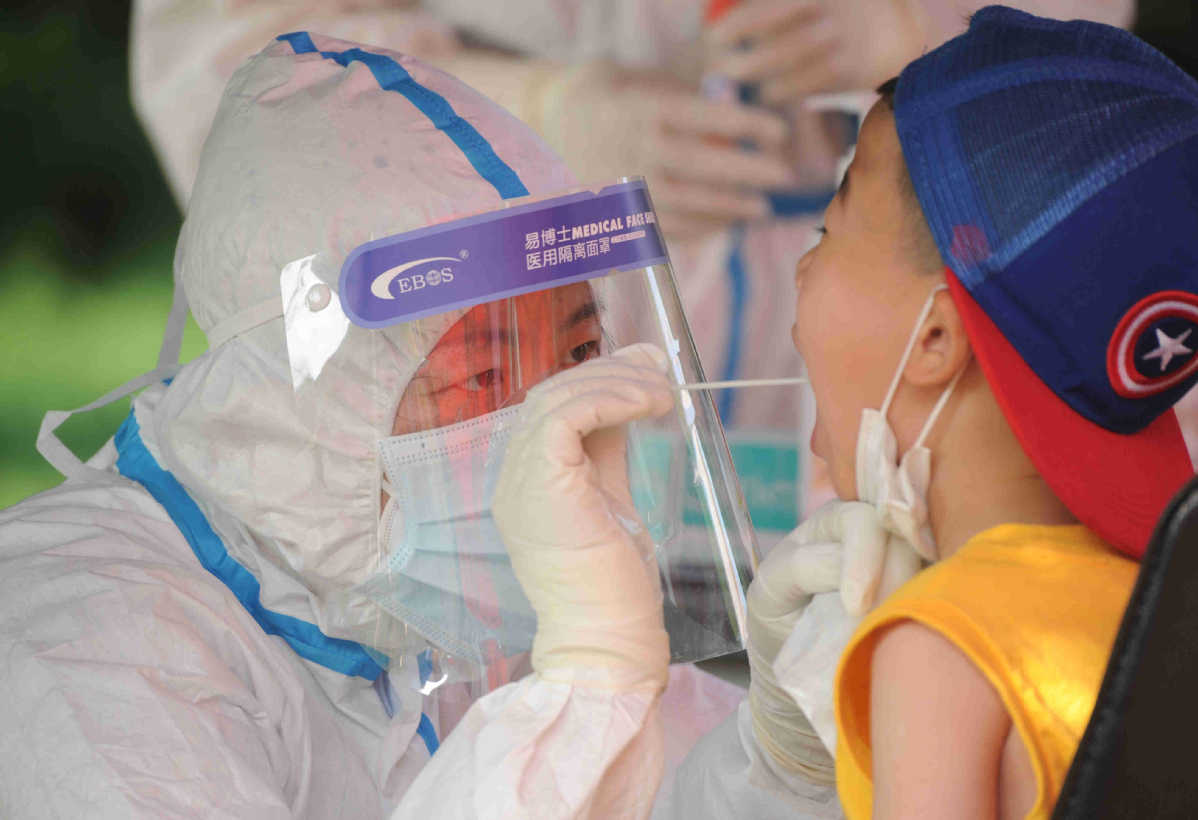
It can take up to 14 days before COVID-19 carriers see symptoms, document says
The incubation period for COVID-19, the time between exposure to the virus and the onset of symptoms, is about three to seven days for most people and can be up to 14 days, during which these pre-symptomatic patients can be contagious, according to China's latest national guideline on diagnosis and treatment of COVID-19 published on Wednesday.
The five days after symptoms occur is when the disease becomes highly transmissible, the guideline said. Respiratory droplets and close contact with infected patients and contaminated objects are the primary methods of transmission, it added.
"Since the global pandemic is still ongoing and the situation may persist for quite some time, the risk of COVID-19 spreading in our country will still exist," the guideline said. Therefore, early diagnosis, quarantine and treatment are crucial for improving cure rates and reducing mortality, it added.
The guideline called for new measures including publishing the status of suspected or confirmed patients online within two hours after their discovery, as well as the administration of anti-viral medicines at the early stages of the disease, especially for severe patients.
Wang Bin, an expert at the National Health Commission's Bureau of Disease Prevention and Control, said in a news briefing on Wednesday that China is proactively preparing for the possible reoccurrence of COVID-19 in the autumn and winter with more prevention measures, more testing and more extensive screening and monitoring.
"We hope the public can stay vigilant in regards to COVID-19, maintain social distancing and hand-washing, use serving utensils (rather than personal cutlery to serve meals) and continue other hygienic practices," she said.
For treatment, the latest guideline discouraged the use of hydroxychloroquine for treating COVID-19 patients, and anti-HIV combination drug lopinavir/ritonavir could only be used in tandem with ribavirin.
Chloroquine phosphate can still be used as a trial drug but only for patients aged 18 to 65, and the treatment period should not exceed seven days. Medical personnel must also keep a close eye on the side effects of these anti-viral drugs and stop administrating them immediately if serious adverse effects occur, the guideline said.
Corticosteroid, a type of steroid that consists of the promising drug candidate dexamethasone, can be used sparingly to treat severe or critical patients. But the treatment period should be around three to five days, and no more than 10 days maximum.
Doctors should be mindful that large dosages of the steroid will suppress the immune system and may prolong the time needed for the body to expel the virus, the guideline said.
In terms of the effect of the novel coronavirus on the body, the guideline said the virus can damage the lungs, spleen, bone marrow, cardiovascular system, liver, kidney, brain and digestive tracts.
The symptoms of infected children are typically mild, with nausea, diarrhea and shortness of breath being some of the more common ones, the guideline found. However, an extremely small number of children could develop Multisystem Inflammatory Syndrome, showing symptoms similar to the rare Kawasaki disease, an inflammation in the walls of arteries throughout the body that primarily affects children younger than 5.
The condition of a child with the syndrome could deteriorate quickly. Therefore, immunoglobulin therapy, corticosteroid, aspirin and other anti-inflammatory treatments should be used as soon as possible to fight the condition, the guideline said.


- Six firefighters dead after fall from cliff
- 6 firefighters killed as fire truck plunges off cliff in Central China
- Beijing Spring Festival temple fairs blend tradition with technology
- Central government to supervise investigation into deadly blast
- Steed?&?Steel:?Striding?through?Year?of?the?Horse
- Chinese astronauts rejoice over space tomato harvest for Spring Festival








