



AIIB chief puts focus on global debt sustainability









Debt sustainability has become a concern of the international community, especially after the outbreak of the novel coronavirus pandemic. Global discussions have become heated recently regarding debt service relief as a measure to address poor countries' social and economic fallout from the COVID-19 crisis.
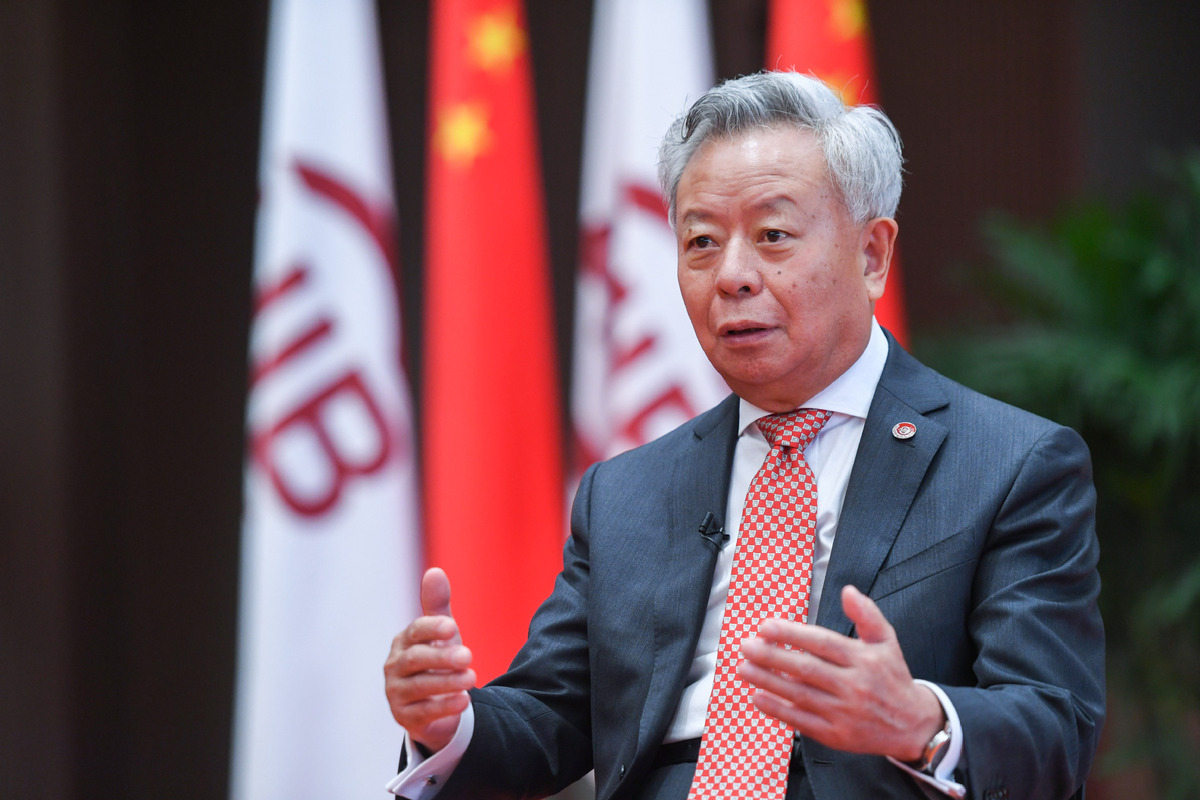
"Now is the time for us to have a holistic view toward debt sustainability," said Jin Liqun, president of the Asian Infrastructure Investment Bank, in an exclusive interview with China Daily on Monday.
To limit the negative influences of the pandemic, major developed countries implemented monetary easing policies, and their response has affected the rest of the world.
Advanced economies took measures to pump liquidity into their financial systems, which helped to a certain extent the net capital flows to low-income countries.
"Developing countries, however, find it hard to inject liquidity into their systems, and they can borrow only from outside," Jin said.
"Due to the COVID-19 pandemic, net capital inflows are important for the low-income countries. On the other hand, this will further increase their debt burden," Jin added.
"The action is important to mitigate the pandemic's impact," he said. The AIIB also provided cofinancing with international institutions, such as the Asian Development Bank and the World Bank, to help developing countries deal with the crisis.
"Borrowing by developing countries over decades did play a role in helping those countries invest in infrastructure, improve living standards and ease many other pressures. And multilateral development banks have done a lot in this regard. That cannot be denied.
"Let's deal with the immediate concerns first, without losing sight of the long-term issues," he said. "The measure we can take is to help developing countries improve their infrastructure so that they can get their economies on their feet again. In Chinese, there is a saying-teaching people to fish is better than giving them a fish.
"Infrastructure construction also can be done in better ways, which are environmentally smart and resource-effective. Over the long run, we can help these countries to reduce debt step by step, not try to get this done overnight," Jin said.
The International Monetary Fund recently projected that the Chinese economy will continue its recovery from the pandemic, aided by a strong containment effort and swift policy actions. Its GDP growth is projected at 1.9 percent this year and 8.2 percent in 2021.
"China can help the international community overcome several of the major challenges facing the global economy," including providing debt relief to low-income countries and sustainable financing for global infrastructure investment, said IMF First Deputy Managing Director Geoffrey Okamoto, following his policy discussions with Chinese monetary authorities and financial regulators.
S&P Global has predicted global debt will rise 10 percent to $200 trillion by year's end. The global debt-to-GDP ratio may jump 14 percent to a record 265 percent, although a debt crisis within the next two years is not considered likely, mainly because of the expected economic recovery.
The largest share of the debt buildup is not from the poorest countries, but has been among wealthy, highly rated sovereigns with strong financial markets and monetary flexibility. The United States, the eurozone and Japan will likely account for more than half of the rise globally, according to S&P Global research.
Economists worldwide have paid attention to the international community's measures to ensure a strong recovery in developing countries and emerging markets. Those places don't have the capacity to borrow or to spend like the advanced countries-especially the US and Europe-though many have been hit much harder by the pandemic.




















