Private colleges must improve performance to set good example









Editor's Note: The Chinese people have always attached special importance to education. In the 20th century, China has gone through a long, arduous journey from one-teacher schools to world-class universities and achieved excellence in different fields including science and technology. What will China's education journey be like during the rest of the 21st century? In the eighth of a series of commentaries, a senior journalist with China Daily searches for the answers:
Private universities are playing an increasingly important role in strengthening the higher education sector, although some readjustments are needed to ensure their healthy development.
When the Western, modern education system was introduced in China more than 100 years ago, the majority of schools and universities were private institutions run by missionaries, charities and some rich people. After the founding of the People's Republic of China in 1949, such schools were turned into public institutions.
However, with millions of youths eager to get higher, better education after the launch of reform and opening-up in 1978, the authorities realized that public schools and universities did not have enough material and human resources to meet the needs of the students, and issued a number of licenses to private universities in 1985, though only for providing "non-degree education".
It took the private institutions more than 10 years to gain the trust of the government and society that they could provide quality education. Only in 1997, did the government allow some universities to offer bachelor's degree courses and a few others to run postgraduate courses. Today, the 433 private universities offering bachelor's degrees make up about 20 percent of the national total.
That the National People's Congress, China's top legislature, passed the Law on the Promotion of Private Education in 2002 giving private institutions the same legal entity as public schools shows how important private universities have become for the improvement of higher education. But despite the government encouraging private universities to keep contributing to higher education and improving their performance, some experts say more government support and stricter self-discipline are needed for their healthy development.
Since public universities get more government funding, they can afford to lower their tuition fees and focus on improving their performance. The private ones, however, have to look for investment from enterprises and individuals, and demand higher tuition fees, which usually are three times more than those in public universities.
According to law, private universities should be nonprofit institutions, and re-invest a certain, mostly large, part of their profit to improve the quality of teaching and/or expand their operations. However, with a few exceptions, most private universities lack enough funds to even keep afloat, let alone improving the quality of teaching, and if the government doesn't provide more financial and policy support for them, their survival could be at stake.
Another headache for private universities is the difficulties they face in attracting promising students and high-quality talents. Private universities do attract students that have cleared the college entrance exam (gaokao), but such students are usually those with relatively low scores-the better ones prefer public universities because they charge lower tuition, offer quality education and better job prospects.
Also, despite passing gaokao, albeit with lower marks, many students choose to sit the exam again next year instead of enrolling in private universities. To attract more students, therefore, some private institutions seek affiliation to well-known public universities under some quid pro quo arrangement, so their graduates can get diplomas and degrees from the established universities.
The central education authorities have noticed such loopholes and ordered the public universities to sever their ties with private institutions. Although such measures are called for to ensure fairness, they have dealt a blow to the private institutions, which may see further reduction in enrolments next year. It appears that despite flourishing for some years, private institutions' number may soon start dwindling.
Which means the healthy development of private universities does not depend on their rising numbers but on quality improvement. The earlier the private universities realize this, the higher will be their chances of survival.
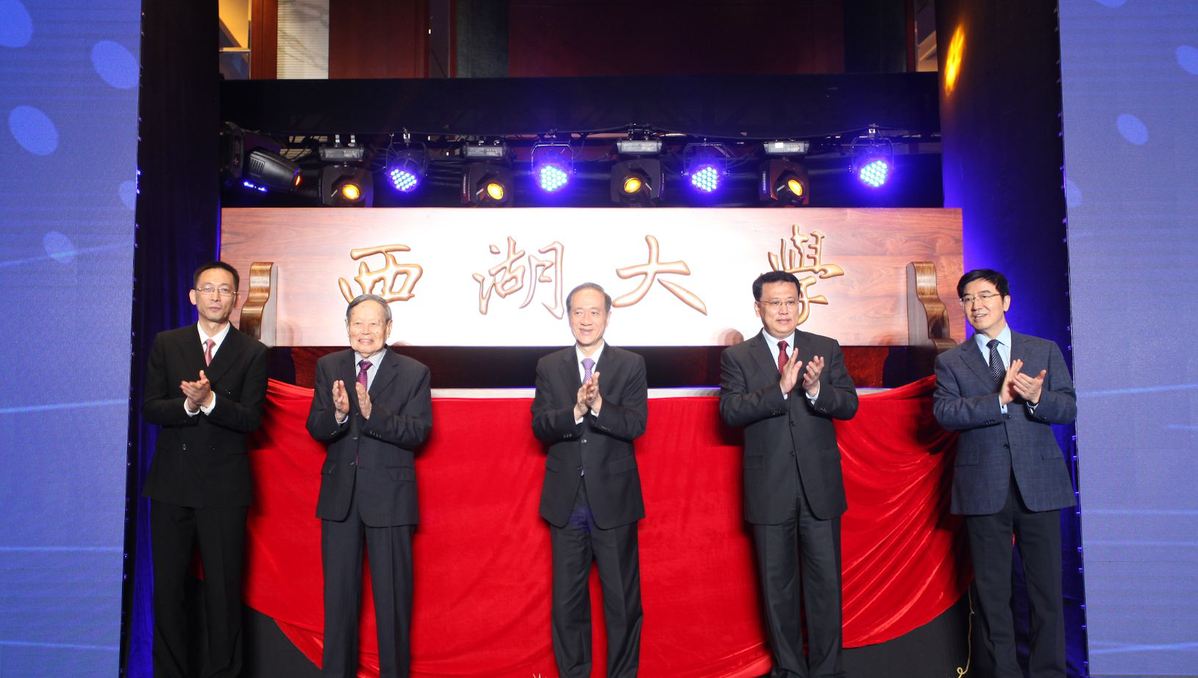
The newly established West Lake University is taking the lead in this regard. Backed by a fund of 20 billion yuan ($3.09 billion), the university in Hangzhou, Zhejiang province, has attracted some of the best professors and scholars from around the world in its bid to become one of the best universities, at least in certain fields of research, in the near future.
Let's hope it succeeds, because its success will largely set an example for the development of private universities.
The author is former deputy editor-in-chief of China Daily.
kangbing@chinadaily.com.cn