



Smart healthcare takes off on 5G









Telemedicine isn't only about having an instant video call from a doctor. It goes beyond giving basic medical advice. Industry players in Hong Kong explain how the ecosystem works. He Shusi reports from Hong Kong.
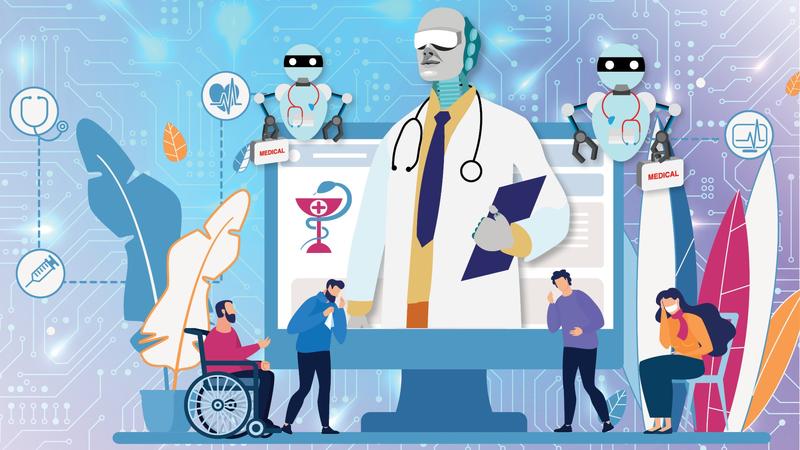
When you register on a telemedicine platform in Hong Kong, what do you expect? Is it only registering, expecting a video call and then logging off? The answer to that is no.
The functions of a telemedicine platform have become more mature amid the pandemic. They include medical record storage, triage, prescription, medication delivery, providing digital sick leave certificates, and making insurance claims or direct billing.
The system itself is more complicated than a video platform. It's built on strict medical data protection and end-to-end connection to the operating system of a hospital or clinic.
Actually, telemedicine in Hong Kong has gone from primitive video consultation to providing comprehensive medical services akin to physical ones.
The DoctorNow app was launched in January last year with an investment of more than HK$3 million (US$386,154). Developing the system alone cost over HK$2 million. The company spent six months building a secure consultation platform with privacy protection standards that are on par with those of banks, said David Wong, co-founder and chief operating officer of DoctorNow Group.
Some telemedicine platforms may be circumscribed with other video platforms, like Zoom, for video consultation. But, to protect privacy, DoctorNow's information and technology team developed its own instant video call system. Patients' medical history, as well as doctors' diagnosis and prescriptions, are personal data which must be kept confidential, Wong said.
Telemedicine is not just about using commercially available video telephone or video conferencing software to talk to a doctor. Before any video consultation, professional healthcare employees will assess whether remote video consultation is appropriate for a case. If not, they'll suggest a personal visit, Wong said.
Suitable patients can have an immediate consultation or arrange an appointment for a later date. After consultation, they'll get their diagnosis and a QR code for medication delivery. Medicine can be couriered to patients by DoctorNow's delivery team. Patients can also visit the clinic personally to collect medicine with an e-prescription. As some Hong Kong pharmacies have yet to recognize e-prescriptions, most patients still choose the delivery service, explained Wong.
To provide e-consultation services for patients, DoctorNow also designed a website for doctors to manage cases and appointments, like those used in clinics and hospitals.
Video consultation can be used for common diseases, such as fever, cough, vomiting, skin problems and emotional distress, and regular follow?up consultations for chronic illnesses like diabetes and hypertension. About 70 percent of DoctorNow's patients are chronic patients. If required, nurses can visit a patient's home to perform basic medical procedures, such as taking blood samples.
Ensuring efficiency
When the DoctorNow project started in 2018, only 4G was available for mobile communication in Hong Kong. The latency and unstable network restricted the location where patients could use telemedicine, Wong said.
Mobile users in Hong Kong were ushered into the 5G era on April 1 last year as major telecommunication companies, including China Mobile Hong Kong and CSL Mobile, rolled out their 5G mobile services.
The application of 5G has largely improved the quality of video consultation. For instance, if a patient has no access to Wi-Fi, but finds themself in an emergency situation or feels uncomfortable, he or she can use DoctorNow to seek immediate medical advice whether to have a checkup in hospital, according to Wong.
The low latency, high resolution and stability of the 5G network ensure the efficiency and quality of telemedicine services, especially in an emergency. With the launch of wearable devices and other remote healthcare products, such as those that can test a patient's heartbeat, blood pressure and oxygen levels, telemedicine can be applied to more diseases, he said.
Mobile devices are expected to carry more healthcare-related sensors. Remote auscultation may be possible for everyone using telemedicine with only a cellphone, enabling checkups that could only be done physically in the past, such as listening to lung volumes, Wong predicts.
So far, DoctorNow has 40 registered doctors from local clinics. The platform has dealt with more than 3,400 cases so far. The cost of each consultation is almost the same as a physical one at a private clinic, while the drug delivery fee is between HK$50 and HK$120, depending on the location.
Although the business has yet to make a profit, Wong said their revenue can cover the operational costs, with growing market demand amid the pandemic.
In the second or third quarter of this year, DoctorNow plans to expand its services to specialists, such as physiotherapists and psychotherapists. It will also introduce an e-shop for healthcare products, and an information platform for health management.
To regulate telemedicine properly, Wong advised the Hong Kong government to set up a licensing system for telemedicine platforms, similar to Singapore's, so that patients and doctors feel more at ease with the service.
Safeguarding privacy
DrGo — a telemedicine platform launched by Hong Kong Telecom — also entered the market in August. It has teamed up with large private hospitals and clinics, such as Gleneagles Hospital Hong Kong, Quality HealthCare and Matilda International Hospital, to provide video consultation services. To date, the platform has more than 88,000 registered users.
DrGo also aims to collaborate with public hospitals in providing remote healthcare services for the public healthcare system, said Ringo Ng, managing director of HKT Consumer Group.
HKT's information and technology team spent almost a year developing the platform. The biggest challenge was linking it up with the networks of various departments in private hospitals while, at the same time, strictly encrypting all the data to safeguard privacy, he said.
The hospital can be roughly divided into five main departments — those of doctors, nurses, management, pharmacy, and accounting. DrGo needs to carefully adjust the app to the system and operation process of each hospital department to realize visual consultation on the platform, said Ng.
HKT's capability to apply 5G, internet of things and artificial intelligence to big data analysis can promote the development of medical research, disease prevention and diagnosis, and further expand the application scope of Hong Kong's remote medical services, he said. HKT is the parent company of CSL Mobile — one of Hong Kong's 5G service providers.
The maturity and popularity of home?use smart healthcare products are also likely to boost the long?term development of telemedicine, Ng said. For instance, smart Bluetooth blood glucose or cholesterol meters can upload the test data instantly to the cloud for family members or doctors to check.
As technology advances, the cost of home?use smart healthcare products will be reduced. When more chronic disease patients can upload health data at home, telemedicine will become a more efficient way to manage chronic diseases, Ng added.
Gleneagles Hospital Hong Kong is one of DrGo's partners on telemedicine. Kenneth Tsang, the hospital's chief executive officer, hopes that wearable devices can be applied on a broader basis to help the hospital monitor patients' conditions more effectively wherever they may be. The hospital has been in talks with manufacturers to find suppliers for home?use smart healthcare products.
Although the overall trend of telemedicine development is on the rise, Tsang warns there're still problems, mostly technical, to overcome.
For example, the low resolution of monitors used by patients, especially some low-quality mobile phones, may prevent doctors from diagnosing their skin problems or complexion. An unstable network may also lead to inefficiency.
The development of 5G is an opportunity that Hong Kong shouldn't miss. As long as hardware comes along and the utilization of 5G improves, telehealth will take off very quickly, said Tsang.
Since COVID-19 began, online medical consultations have surged globally, pointing to growth opportunities from treatment, diagnostics support and wearables technology for monitoring diseases, said Wilson Chow, PwC global technology, media and telecommunications industry leader.
In such a context, it has become more socially acceptable to have video consultations with healthcare professionals. Also, improved awareness of telemedicine among patients and doctors will keep them more informed of advanced technologies that offer effective and secure communication with healthcare professionals, said Chow.
According to a PwC report, the 5G network has proved valuable for a range of healthcare applications, including remote surgery, transferring large medical files to tracking patient movements at facilities, and using wearables for real-time monitoring to ensure continuous treatment support for patients.
Real-time health monitoring through 5G will provide substantial opportunities for personalizing the healthcare experience, Chow said.
Increased digitalization in healthcare relies on data sharing among medical authorities, clinics and third parties, and stricter rules and guidelines on data privacy are also essential, he said.
As 5G-enabled healthcare expands, regulators and policymakers must develop rules to provide oversight to protect patients' privacy and set clear guidelines and responsibilities for medical practitioners in the use of digital diagnosis, he added.


- Consumer rights protection disputes in new business models surge in Guangzhou
- French vloggers explore highland scenery and Tibetan culture in Yunnan
- Village in Jiangxi gives 100,000 yuan bonus to residents turning 100
- World's leading lab service provider opens China headquarters in Wuxi
- 'Ride to spring' becomes a major tourist attraction in Chongqing
- Lawmakers with disabilities advocate AI and robotics to improve lives





