COVID-19 vaccine decliners cast shadow on US herd immunity









HOUSTON - In early May, US President Joe Biden announced his goal to administer at least one dose of a COVID-19 vaccine to 70 percent of American adults by the Fourth of July. His plan could be more completely realized if hold-outs -- those who currently refuse to get the shots -- would agree to roll up their sleeves, with or without state incentives increasingly being offered to the newly vaccinated.
The Kaiser Family Foundation (KFF) has been tracking the public's attitudes and experiences with COVID-19 vaccinations using a combination of surveys and qualitative research. Its May COVID-19 Vaccine Monitor showed continued steady progress in vaccine uptake, with 62 percent of US adults saying they have got at least one dose of a vaccine and the share saying they will "wait and see" down slightly from 15 to 12 percent.
However, researchers also found that the shares saying they will get a vaccine "only if required" for work or other activities, or will "definitely not" get vaccinated remain essentially unchanged since January.
Special efforts have been undertaken to sway some hesitant or otherwise hard-to-vaccinate populations such as Black, Hispanic, homebound or homeless people. Few -- if any -- initiatives have been directed at the federal or state levels to reach out to the Republicans who have declined the vaccine.
KFF found that after increasing somewhat in the past months, vaccine enthusiasm seems to have stalled among Republicans, with 27 percent saying they will definitely not get vaccinated, the highest percentage found in the surveyed subgroups.
In the southern Republican state of Texas where everyone ages 12 and older are eligible to receive one of the COVID-19 vaccines, over 12 million, or about 53 percent of its population, have received at least one shot so far.
Currently, Texas is receiving doses of the Pfizer, Moderna and Johnson & Johnson vaccines for distribution statewide to hospitals and free-standing emergency rooms, pharmacies, health department and clinics.
"The Department of State Health Services is partnering with vaccine providers across the state to ensure the vaccine will be accessible to all Texans at no cost," Douglas Loveday, press officer for the Texas Department of State Health Services, told Xinhua.
"We don't collect data on the number of people who decline to be vaccinated. Our communication efforts (and) federal and local partners continue to focus on the safety and effectiveness of COVID-19 vaccines to significantly reduce the risk of infection and severe illness."
The US Department of Health and Human Services keeps the estimated number of Texans hesitant about receiving the vaccine at 10-15 percent.
The department shows Arkansas, another southern Republican state, lagging with 15-25 percent of its population hesitant about getting vaccinated against the pandemic. Arkansas is therefore offering incentives for those being vaccinated after May 26. The incentives include a 20 US dollar scratch-off lottery ticket.
According to the department, the hesitancy rate in Wyoming, a Midwest Republican state, is even higher at 25-30 percent.
Experts estimate that between 70 and 90 percent of the entire population needs to be resistant to the virus in order to reach herd immunity. This is complicated, however, by people who may be immune due to past coronavirus infections. At the current pace of vaccinations, herd immunity could be reached between July and September.
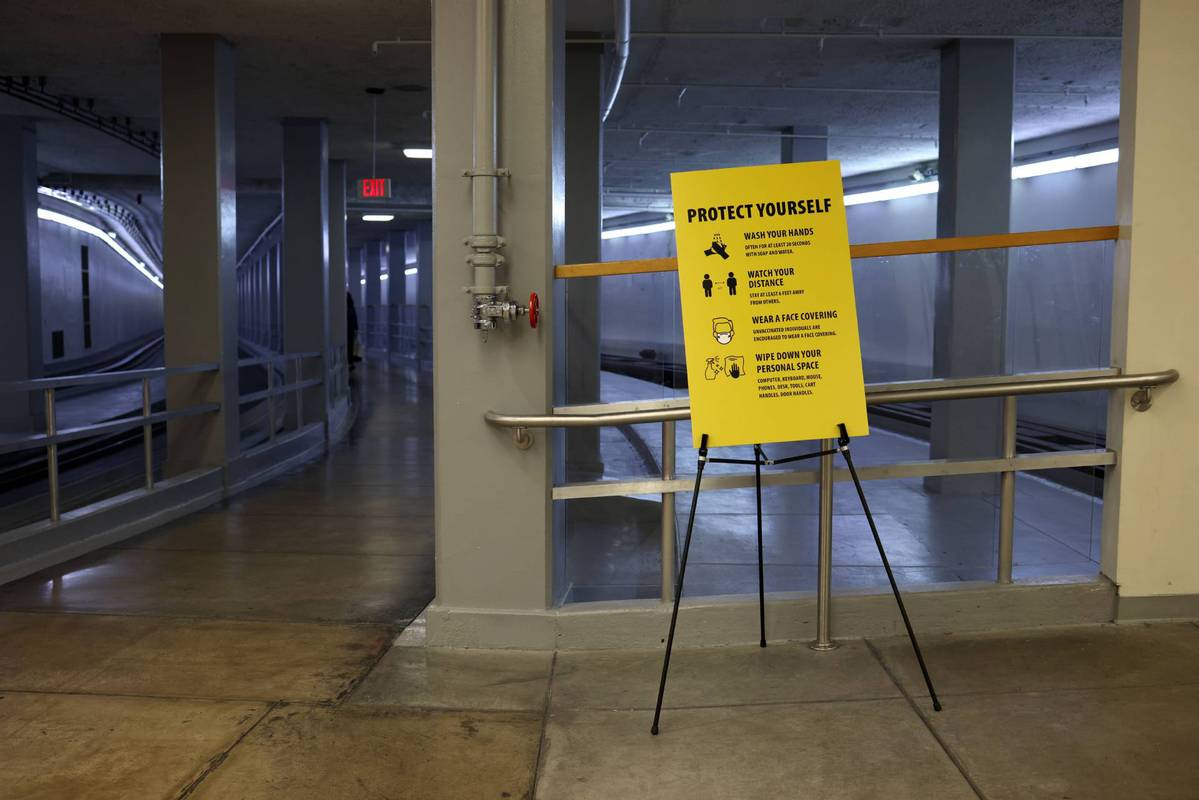
New guidelines released by the US Centers for Disease Control and Prevention in May stated that people who are fully vaccinated can gather indoors with others without wearing masks.
The new guidelines are being greeted by Americans as proof that the end of the pandemic is near, but virus experts are taking a more cautious view, particularly with so many vaccine holdouts who do not seem eager to replace their points of view for state-sanctioned incentives or even life-giving immunizations.