Countering Belt and Road bound to fail










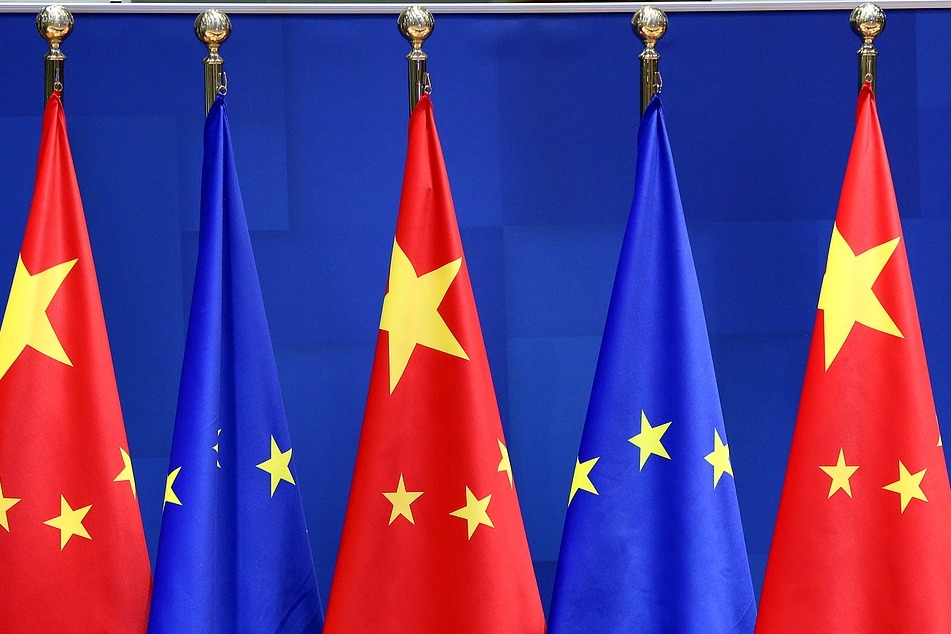
Leaders of the G7 countries have set themselves on a steep climb with a proposal to rival the China-proposed Belt and Road Initiative.
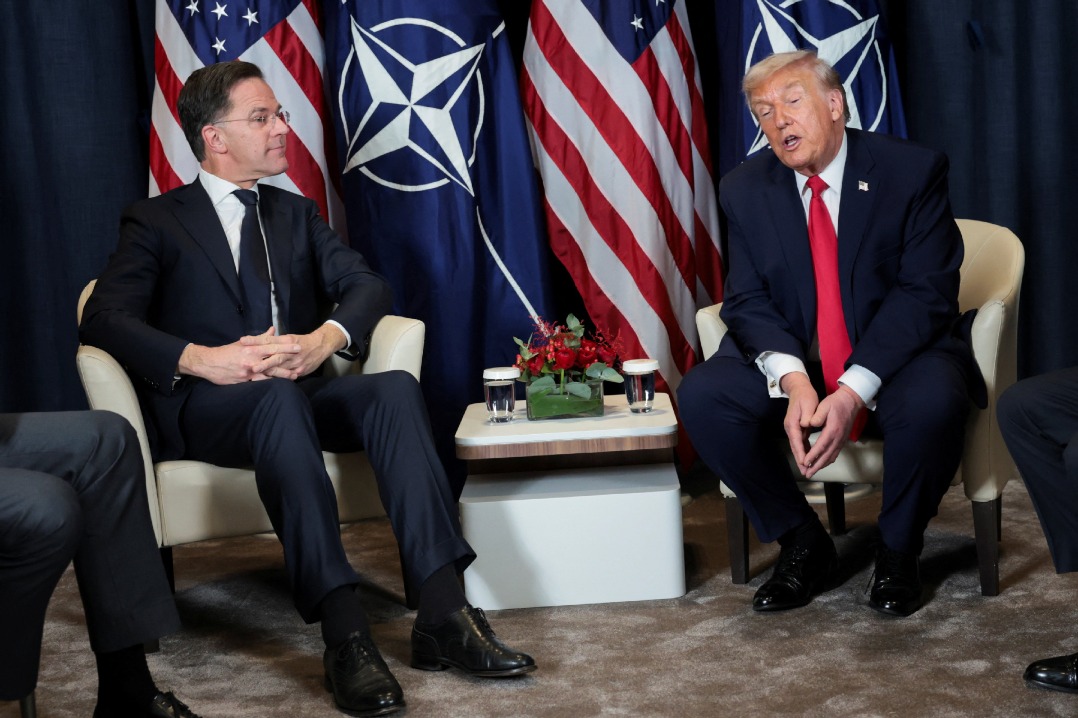
At the G7 summit held in the United Kingdom from June 11 to 13, the United States, Canada, the UK, Germany, Italy, France and Japan agreed on an infrastructure development plan for emerging economies called Build Back Better World, or B3W.
China has unyielding commitment to help developing countries improve their infrastructure capabilities through the BRI. The G7 argues that Beijing has mustered international visibility and influence.
On paper, the G7 plan looks straightforward-to galvanize a partnership that can provide infrastructure funding that will help developing nations offset the $40 trillion gap by 2035, thereby dampening BRI expansion prospects. In practical terms, however, the US-led B3W has huge obstacles that are likely to upset its implementation around the world.
The first problem with the B3W is that it is a largely US agenda that serves Washington more than other G7 partners.
Some G7 countries no doubt endorsed the plan for convenience rather than utility. It was clear from the summit that G7 leaders' perspectives vary on the question of how to relate to China. For instance, while the US has declared China a systemic rival, France has called for cooperative coexistence. The inherent divisions within the group make the idea of containing China hard to dribble around. Equally, B3W obsession with rivaling Beijing takes the focus away from developing countries, which it is intended to help.
Second, even if the initiative were to take off, reversing the gains already made in countries participating in the BRI would be impossible. With a funding portfolio in excess of $3.7 trillion covering some 2,600 projects in over 140 countries and international organizations, the BRI is increasing its utility since it was launched in 2013. The transformational scale of completed projects under the initiative has only heightened the desire of beneficiary countries to work closely with China.
The B3W, on the other hand, does not have a budget yet. Whether it will consolidate enough resources to rival China beyond political rhetoric is yet to be seen.
Third, the G7 underestimates the comparative advantages and efficiency of China when it comes to infrastructure delivery. With top-notch yet affordable technology and human resources, Chinese enterprises continue to outbid Western counterparts in implementation of infrastructure projects. In Europe, as in Africa, Chinese companies are implementing big-ticket projects in comparatively shorter times and with cost-competitive rates. Private sector funding, which the US and its allies hope to marshal under the B3W, often prioritizes profitability and is therefore not likely to be competitive against Chinese enterprises.
Fourth, the BRI is about more than the often discussed infrastructure construction. At its core, the initiative is emblematic of the socioeconomic transformation of China and the resulting goodwill that Beijing has extended to other developing nations. The BRI allows emerging economies to learn from China while tapping into the opportunities arising from China's decision to share the proceeds of its development with the rest of the world. The Chinese development model and its accompanying success are a strong force of attraction that countries with similar aspirations just can't wish away.
Fifth, the US-led coalition is stoking colonial sentiments in which so-called democratic values and ideals will be the centerpiece to its engagement with the developing world. By designating spheres of influence for the G7 members, it limits the range of choices that developing countries would have-in sharp contrast with the BRI, which remains participatory, voluntary and inclusive.
Developing countries want partners that will engage on the basis of equality, mutuality, respect and shared benefits. The B3W comes with a preconceived checklist that countries must meet in order to participate.
Finally, the B3W is premised on powering green infrastructure development around the world. So far, China is the largest producer and investor of green technologies. China invested more in green energy through the BRI than in traditional energy sources in 2020, for the first time, according to a report by the Financial Times.
Over 60 percent of the $11 billion in energy investments in BRI projects went to green energy. China's ambitious climate change mitigation measures and the greening component of the BRI put Beijing in a good position to effectively compete in the realm of green development.
The writer is a Kenya-based scholar of international relations with a focus on China-Africa cooperation.