A New Chapter of China-Japan Relations: Conveyed by the Annotated Collection on the Songs of Chu









Editor's Note: To celebrate the 100th founding anniversary of the Communist Party of China, we are launching the "100 CPC Stories in 100 Days" series, featuring foreigners who witnessed and participated in the CPC's history and helped the world better understand the CPC. The following is the 41st story of the series.
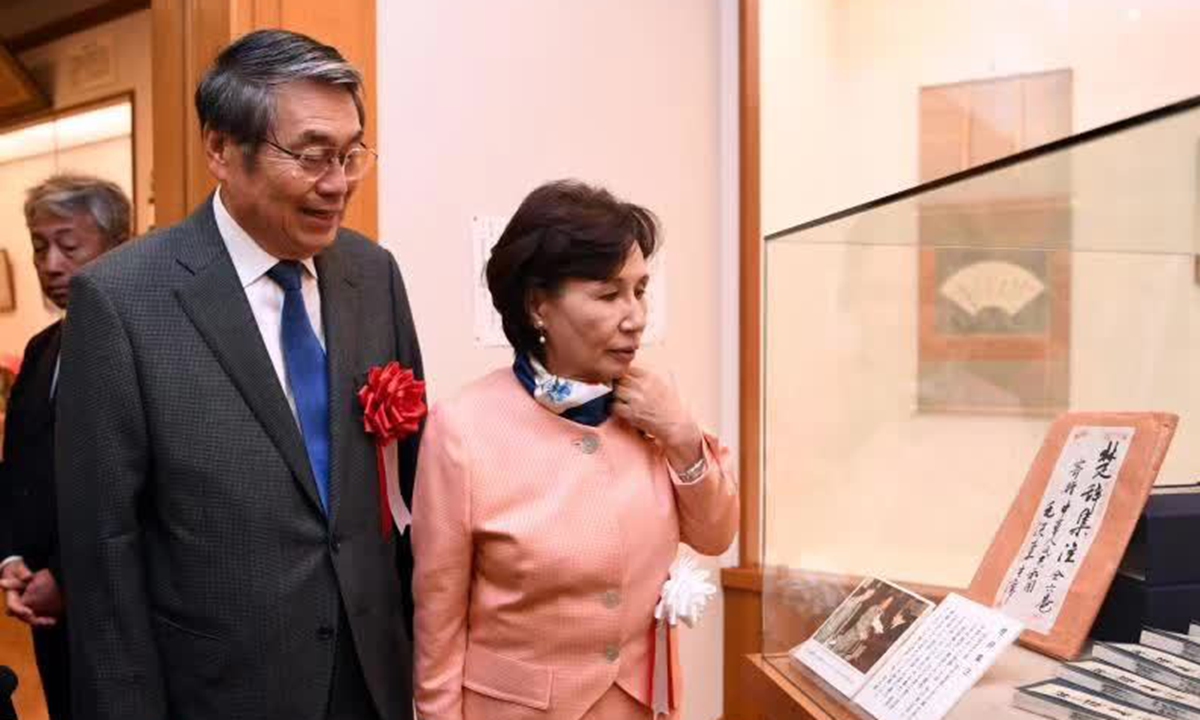
In the Tanaka Kakuei Memorial Museum in Kashiwazaki, Niigata Prefecture, Japan, there are archives of documents, photos, sculptures and calligraphic works that record the trajectory and moments of life of the former Japanese Prime Minister. Quite some exhibits are about the normalization of China-Japan diplomatic relations, one of Tanaka's signature achievements. Among them, a present from Chairman Mao Zedong in 1972, a photocopied set of the Song Dynasty block-printed Annotated Collection on the Songs of Chu (Chu Ci Ji Zhu), captures the attention of many visitors. This collection of ancient literature embodies a bond of friendship forged between leadership of China and Japan, and epitomizes the millennium-long cultural ties between the two countries.
After the founding of the People's Republic of China, there was an unstoppable historical trend: people around the world called for friendship with the Chinese people. In Japan, there were also rising calls for normalizing the relationship with China. The Chinese government adopted friendly policies toward Japan and encouraged people-to-people diplomacy between the two countries, making the China-Japan friendship widely supported by the Japanese people.
On September 25, 1972, thanks to the joint efforts of Chinese and Japanese people, Tanaka Kakuei led a delegation to China. Unexpectedly, his visit started off with an unpleasant episode. On the evening of his arrival in Beijing, Premier Zhou Enlai hosted a welcome dinner for him. In Tanaka's response to the toast, he referred to the damage caused by the Japanese aggression to the Chinese people as "inconveniences," which immediately sparked a buzz in the banquet hall. Premier Zhou stayed calm, and completed the reception with host courtesy. On the following afternoon, during the second round of official talks, Zhou strongly condemned the use of the word "inconveniences." He made it clear that Prime Minister Tanaka's regrets about past tragedies and his deep remorse were acceptable, but the word "inconveniences" had outraged the Chinese people, because it could mean any trivial matter. Tanaka explained that "inconveniences" in Japanese meant a sincere apology, a promise of no relapse and a request for forgiveness. Zhou replied that in Chinese, "inconveniences" was an understatement. For instance, the reporters could apologize for causing "inconveniences" by taking a little longer time to take photos.
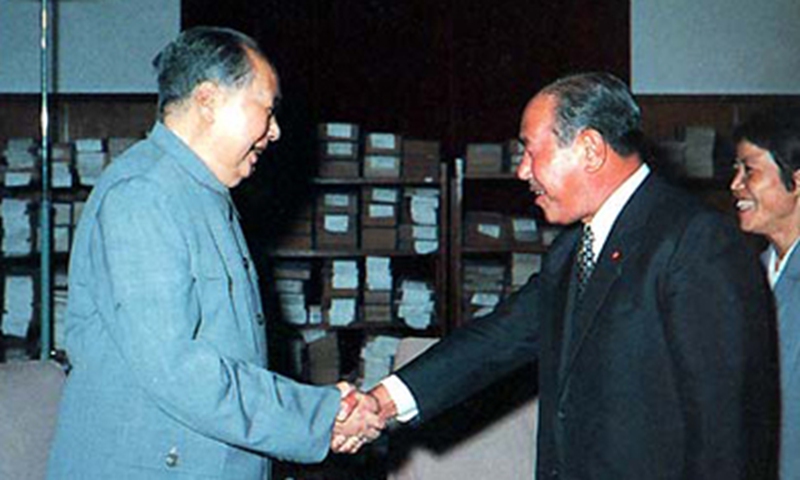
On the evening of September 28, Chairman Mao met with Tanaka's delegation. He shared insights from a historical perspective on the importance of carrying forward the China-Japan friendship from generation to generation. Mao asked how the talks went and whether there was any argument. Mao said that there would always be differences in talks, and that was how solutions could be found. He asked Tanaka how the "inconveniences" issue would be solved. Tanaka replied that the Japanese side would revise the wording and follow the Chinese customs. Mao added that the younger generation would be unhappy with the word "inconveniences," and in China, such word was used on such occasions as when you unintendedly splashed water on a girl's dress. During this meeting, Mao showed Tanaka around his study, where they had a convivial conversation about history and current affairs. Mao gave Tanaka a set of the Annotated Collection on the Songs of Chu as a present.
The next day, Tanaka honored his commitment as he drafted the Joint Statement. The statement reads, "The Japanese side is keenly conscious of Japan's responsibility for the serious damage it caused in the past to the Chinese people through war, and expresses deep remorse."
Today, the Annotated Collection on the Songs of Chu, one of the witnesses of the normalization of China-Japan diplomatic relations, lies quietly in the glass cabinet of the museum, almost half a century after it was taken across the sea from Beijing to Japan. The vibrant cultural exchanges between China and Japan have never stopped, but kept adding new dimensions to this friendship. In more than 2,000 years of exchanges between China and Japan, cultural interactions can most profoundly represent the mutual perception, integration and interaction between the two peoples, and have a longer history than other aspects of bilateral ties. Ancient classics contain profound wisdom and can offer a source of inspiration for China-Japan exchanges and cooperation. At present time, inclusiveness and mutual learning between civilizations meet the call for building a community with a shared future for mankind.
Today, when visitors to the museum stop in front of the Annotated Collection on the Songs of Chu, they may get a touch of the passage of history and Tanaka's remorseful expressions. They could see that the friendship between China and Japan needs to be built on the respect for history. Only when history is duly respected, can the past burdens be turned into a driving force for the future.





- Why do China's cultural and creative products go viral?
- Aviation sci-fi park Nantianmen to open in 2027
- Chinese researchers make breakthrough in green cooling technology
- Former head of national forestry and grassland body under investigation
- A new lease of life: Providing dialysis access in rural China
- China's grain output hits new high in 2025