'Green swan' events pose new threat to stability









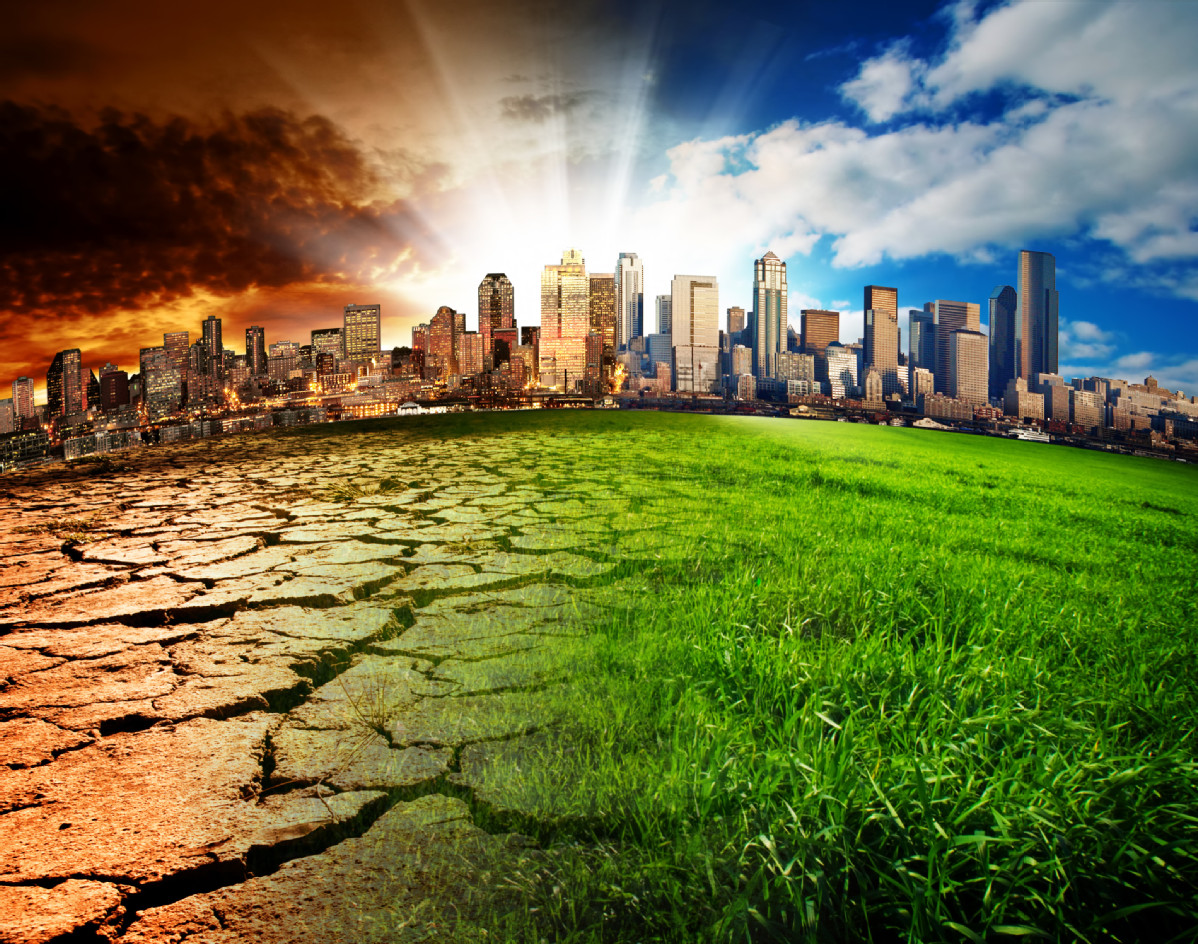
The statistician Nassim Nicholas Taleb coined the term "black swan "to describe improbable, hard-to-predict events that can have a massive impact on the economy. The authors of a recent report have now introduced the phrase "green swans" in reference to events caused by climate change and biodiversity loss.
The appearance of green swans is arguably more predictable than that of black swans, as climate change makes them unavoidable. But there are no historical comparisons to help us understand how climate and ecological risks such as cyclones, wildfires, droughts and floods might affect the banking system, the insurance industry or any number of other economic activities.
As economic activity is reallocated from fossil fuels to clean energy sources, some activities will disappear, others will emerge and the value of "stranded assets" will plummet. Although this process is necessary, it must be managed in a way that does not create instability in the financial system.
Owing to their financial-stability mandate, central banks, supervisors and macro-prudential authorities have a central role to play in the green transition. The recent Green Swan Conference organized by the Bank for International Settlements, the Bank of France, the International Monetary Fund and the Network of Central Banks and Supervisors for Greening the Financial System pointed to a growing recognition of this fact, though the mobilization remains too slow and too timid in some geographic areas.
With an eye toward anticipating the effects of climate risk, the Bank of France was the first central bank to introduce a comprehensive climate stress test for banks and insurance companies. Analyzing three 30-year climate scenarios-an orderly transition based on a low-carbon strategy; a disorderly, late transition; and a business-as-usual scenario-the test sought to assess banking and insurance portfolios' exposure to both physical and transition risks.
This exercise showed that the French system's current exposure is only moderate under the assumptions used. More important, the climate stress test demonstrated what it will take to improve our understanding of climate risk.
There is much more work to do. For example, there is a lack of databases detailing the geographical conditions throughout global value chains. This information is essential to assess physical risks to production, and it would also be useful for monitoring social and environmental governance issues more broadly.
The increased frequency and severity of weather-related disasters will gradually come to be reflected in insurance coverage and costs, affecting profitability and the default rates of loan portfolios in the banking sector. At the same time, bankers and asset managers will be adjusting their portfolios accordingly. In addition, if the price of carbon continues to rise, as it should, they will move away from carbon-intensive sec-tors, increasing their exposure to other risk factors.
These time-varying behaviors (and their subsidiary or indirect effects) will matter for financial stability, but they are difficult to model. Still, a few essential policies would greatly help macro-prudential authorities and investors manage the change. First, those embarking on the green transition will need a compass: There should be a fully predictable increase in the carbon price across as wide an economic area as possible. The European Union could be on the right track with its Emissions Trading System, wherein the price of carbon has risen from 25 euros ($30) per metric ton in January 2020 to 50 euros per ton today. But progress remains limited, because the system covers only about 40 percent of EU emissions.
Credible commitments to deliver a predictably increasing carbon price are needed to enable investors, regulators and monetary policymakers to adjust their strategies in a forward-looking manner. In their absence, we will be unable to unleash public and private investment for the structural adjustments needed to reduce the costs of the broader transition.
To achieve this, independent carbon councils can manage carbon-price inflation in a manner that is similar to how central banks manage how inflation affects the prices of goods.
Capital requirements for financial institutions could be linked to their exposure to a rising carbon price, which would change their calculated probability of defaults and losses on their portfolio.
We should expect that private equity firms will try to acquire risky oil and gas properties, develop them, and sell them at a profit. But we cannot tolerate "below-the-radar" investors buying up carbon-intensive assets at fire-sale prices and then operating them in lax jurisdictions. Preventing this will require a high global floor on carbon prices, carbon border adjustment taxes, or both.
A final key climate-policy component is mandatory disclosures of CO2 emissions and a framework for harmonizing those disclosures globally in order to enforce universal minimum standards. This idea is already gaining momentum and may become more concrete after the 26th UN Climate Change Conference of the Parties later this year.
Transparency is crucial for all market participants. It is incumbent on the institutions in charge of financial stability to ensure that green swans do not turn black.
The author is a professor of economics at London Business School and a member of the French High Council for Financial Stability.