Aftermath of Afghanistan: purpose debated









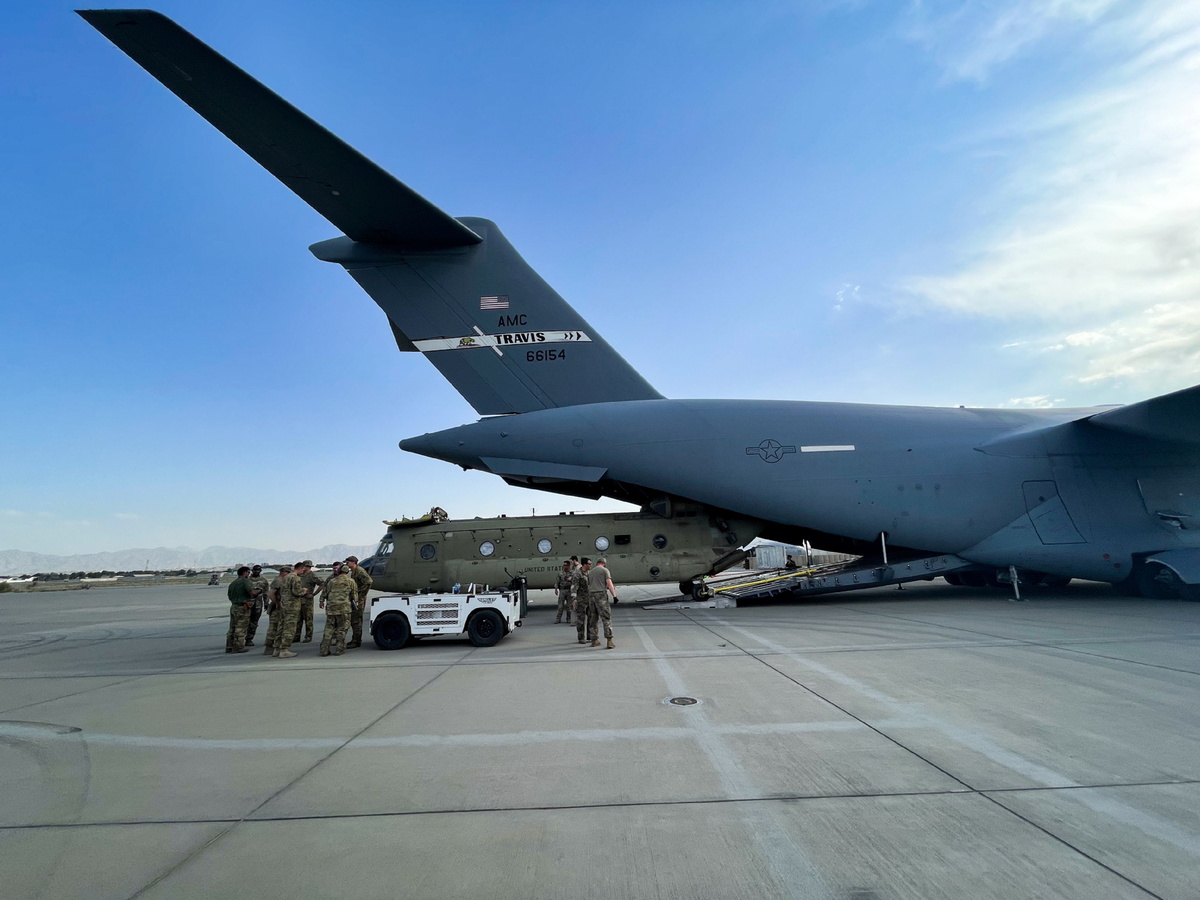
As the United States wrapped up a hectic, bloody, two-week evacuation siege at an Afghanistan airport Monday, the focus will shift to lessons learned from America's longest war and other military involvements.
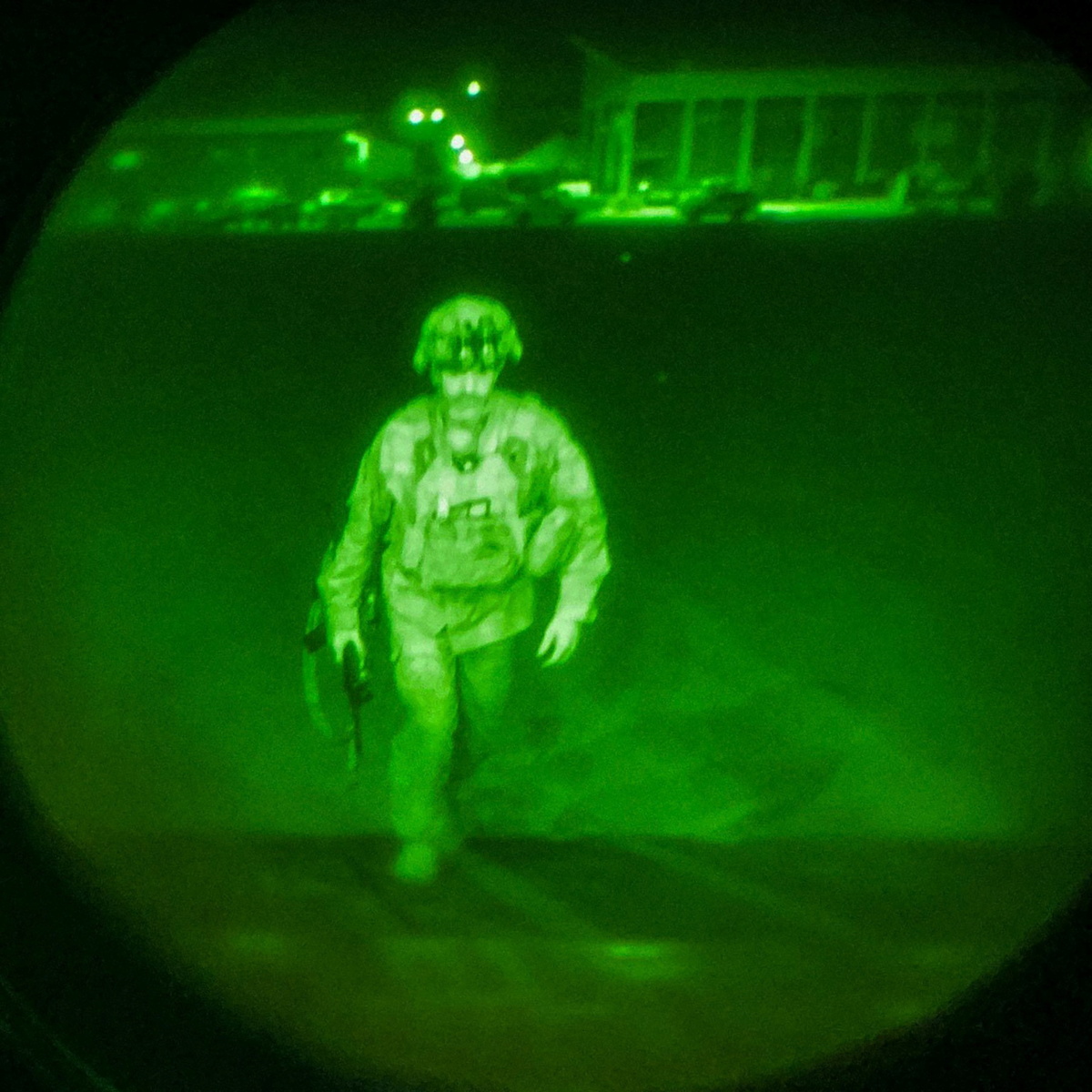
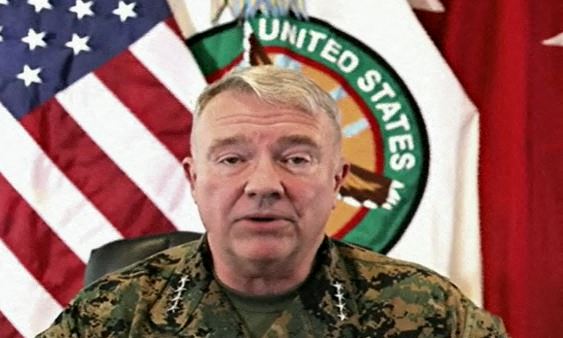
In announcing the completion of the evacuation and war effort, General Frank McKenzie, head of US Central Command, said the last planes took off from Kabul airport at 3:29 pm Washington time, one minute before midnight in the Afghan capital.
He said scores of American citizens, numbering in "the very low hundreds", were left behind, but he believes they still will be able to leave the country.
The war in Afghanistan — started a month after the Sept 11, 2001, terrorist attacks in the US — has claimed the lives of more than 2,400 Americans. More than 1,100 troops from US-led coalition countries and more than 100,000 Afghan forces and civilians also have died, according to the Costs of War project at Brown University.
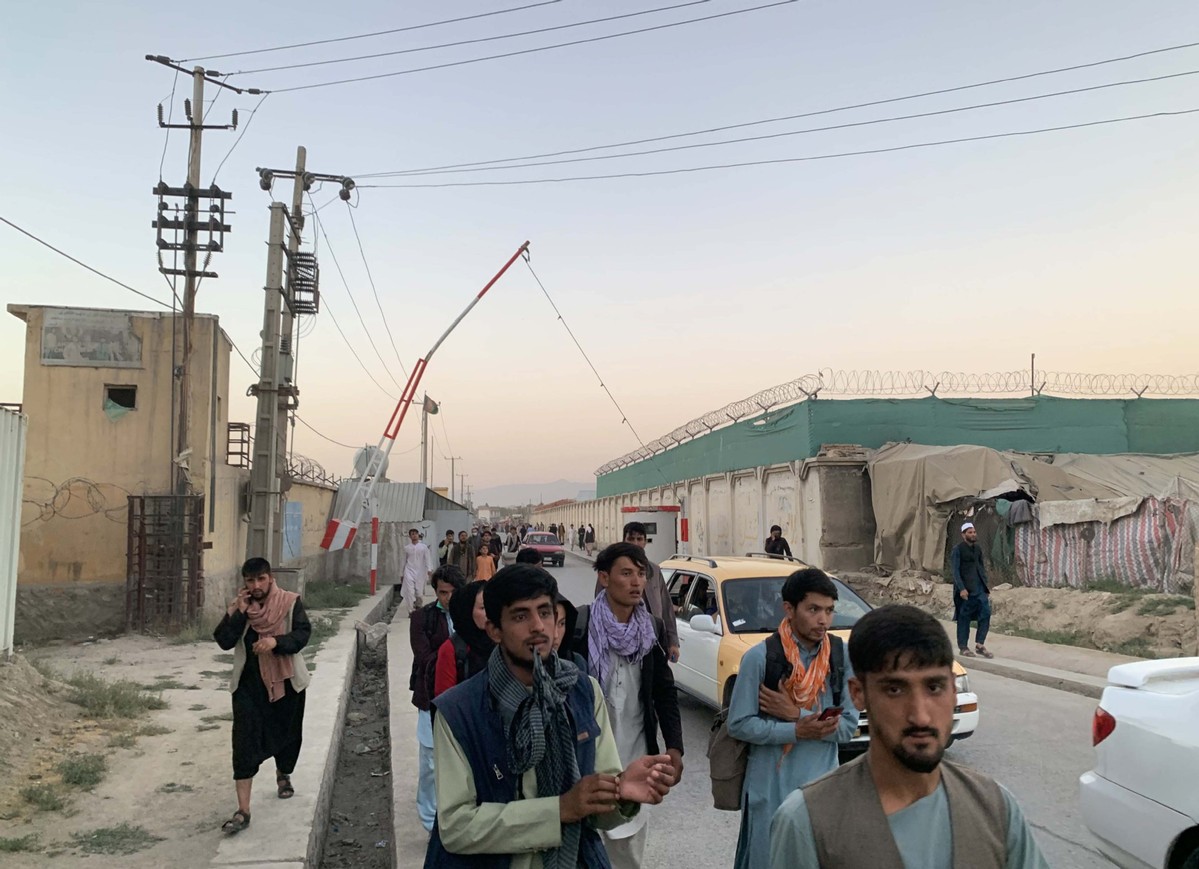
The war's frantic conclusion and purpose are expected to generate much soul-searching and calls for congressional investigations as another US intervention has ended in disarray.
"The US is a democracy where the administration changes every four years — and with it, war strategy," Torek Farhadi, who served as an adviser to former Afghan president Hamid Karzai, told USA Today.
"The result is a mishmash. Nobody knows what the US was doing in Afghanistan for the past 10 years. It hasn't been fighting the Taliban since 2013," said Farhadi, who also has advised the Afghan government on economic policy for the World Bank and the International Monetary Fund.
"The US tolerated corruption in Afghanistan. The American public was too remote from this to really know what is going on," he said. "The Taliban made a comeback amidst this corruption. Consequences for the US are good — it finally cut its loss. But for Afghanistan, the war and the withdrawal will be devastating."
While the US is leaving, it also is leaving behind billions of dollars of sophisticated weaponry, which redounded to the conquering Taliban, an Islamic fundamentalist group, as it swept aside the Western-backed Afghan army over the past two weeks.
Farhadi said that "the war in Afghanistan is much more than a failed intervention. It is stark evidence of how counterproductive global military dominance is to American interests. This military hegemony has brought more defeats than victories and undermined democratic values at home and abroad."
Professor Jeremi Suri, who teaches history at the University of Texas in Austin and at the Lyndon B. Johnson School of Public Affairs, wrote in a guest column in The New York Times: "History is clear: We would be better off with more modest, restrained military and strategic goals. US public opinion seems to have moved in this direction, too. Our country needs to re-examine the value of military dominance."
Suri said that "the reliance on military force has repeatedly entangled the United States in distant, costly, long conflicts with self-defeating consequences — in Vietnam, Lebanon, Iraq, Afghanistan and other places. American leaders have consistently assumed that military superiority will compensate for diplomatic and political limitations."
Mike Bebernes, a senior editor at Yahoo News, wrote that many experts believe that "the most important thing the US should take from its struggles in Afghanistan is a sense of humility. The core mistake of the war, they argue, was the assumption that American values could be imposed on a country as complex and divided as Afghanistan."
Bebernes wrote that "a common belief, especially among former President Donald Trump's allies, is that the war has shown that the US should focus on its own domestic problems and avoid interventionism and nation-building abroad".
He said those opponents argue that the US "has consistently come up short of its goals while causing substantial suffering along the way, with other examples including the Iraq War and more limited engagements in Syria and Libya".
The commencement of the war in Afghanistan was a follow-up to a promise made by then-US president George W. Bush while he stood atop the rubble at Ground Zero in New York City three days after hijackers slammed two airliners into the Twin Towers of the World Trade Center.
"And the people who knocked these buildings down will hear from all of us soon!" Bush shouted through a bullhorn to cheers.
On Oct 7, Bush launched an invasion of Afghanistan. The Taliban's forces were overwhelmed, and Kabul fell soon after.
A US-installed government led by Karzai took over, while Osama bin Laden and his al-Qaida supporters escaped across the border into Pakistan.
Afghanistan was but the first round of Bush's "global war on terrorism". He went into Iraq next, targeting its leader Saddam Hussein, in an invasion of the Middle Eastern country in 2003.
"The best-case scenario is the country (Afghanistan) becomes like Iraq today; the worst-case scenario is it becomes like Syria today. I don't think we know right now what path it's going to take," US Congressman Peter Meijer, a Michigan Republican who deployed to Iraq in 2010 as a member of the US Army Reserve, told axios.com.
The Associated Press contributed to this story.