



Why South-South cooperation is key for rural pandemic recovery









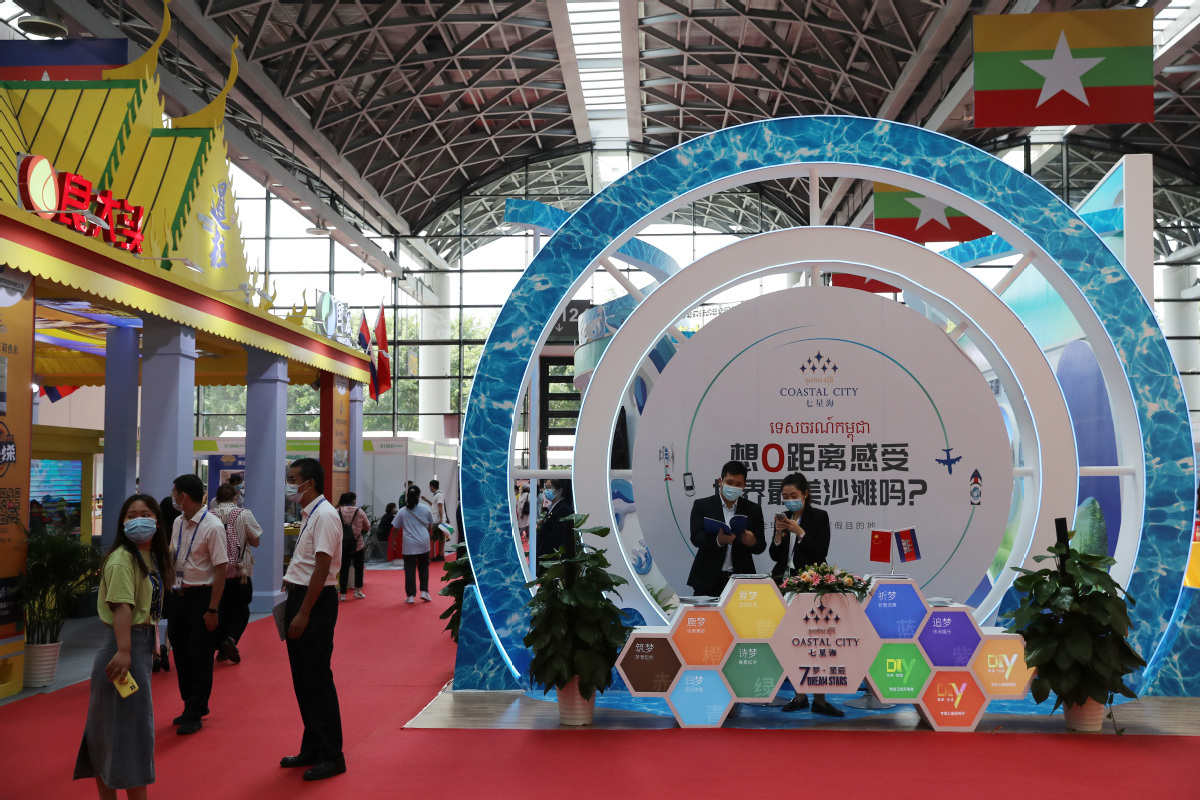
On September 12, the International Day for South-South Cooperation Day is celebrated around the world. In recent decades, cooperation between developing countries, or the "Global South," has become increasingly important in various areas such as sustainable policies or technical solutions to economic, social, and environmental development.
In this regard, China is playing an increasingly leading role in South-South cooperation and international development cooperation in general. For instance, according to the UN Chief Executive Board, China was the fifth-largest donor to the UN System in 2019, ahead of major "traditional" donor countries such as the Netherlands, Sweden and Canada. Meanwhile, according to the Chinese white paper on international development cooperation published in January this year, the country has in total contributed 270.2 billion yuan in different forms of foreign assistance between 2013 and 2018. The Chinese government has repeatedly emphasized its strong commitments to South-South Cooperation, with particular attention to pandemic early recovery and rehabilitation. This is highly needed.
To recover from the pandemic it is essential for developing countries to learn from each other's experiences in combating COVID-19, not just the virus itself, but also its severe socio-economic consequences. Among the most severe being the dramatic increases in global poverty and hunger. The World Bank has estimated that by the end of this year, about 100 million more people will have fallen into extreme poverty, whereas according to the latest UN estimates, almost 928 million people were severely food insecure in 2020, an increase by 148 million in just one year.
The IMF has highlighted that the pandemic is currently moving into a new phase in which some countries, almost exclusively high-income countries, have already achieved a high degree of vaccination and experience the strongest post-recession recovery since the World War II. Meanwhile, many developing countries continue to struggle with the virus itself as well as with several disastrous side effects.
The impact of the pandemic is highly unequal to its nature, which to the greatest extent affects fragile populations of rural people living in remote areas, particularly through food-system disruptions. For example, small farmers may face difficulties accessing seed and supplies needed for a successful harvest, or post-production obstacles preventing sale of their produced goods. Moreover, border closures, trade restrictions, and limited domestic mobility are factors that can further exacerbate shocks in food-value chains, leading to the perishing of unsold food, lost income and increased food prices, which all can accumulate to a secondary "hunger pandemic."
Some temporary alleviation measures for such problems include the establishment of emergency food preservation and storage facilities. This can ensure that both food and farmers' livelihoods are not lost. However, more sustainable solutions are needed to ensure long-term recovery. To enable this, South-South cooperation is essential as a channel to share technical knowledge, successful government policy, and innovative solutions, which will boost recovery and strengthen rural resilience in preparation for future crises.
The International Fund for Agricultural Development is one of China's partners in this regard; acting as a third part in what is called South-South and Triangular Cooperation. As a UN specialized agency and the only international financial institution with a dedicated mandate to eradicate rural poverty and hunger, IFAD is in a unique position to collaborate with China on post-pandemic recovery. In 2018, a China-IFAD SSTC Facility was established through Chinese financing of $10 million.
Until now, 13 projects have already been launched and implemented in over 40 countries in the Global South with the goal of transforming rural communities. Moreover, in response to ongoing pandemic developments, IFAD and China are now announcing the launch of four new projects with a specific target to respond to problems arisen due to COVID-19. The projects will support vulnerable populations and farmers living in remote locations in among others Rwanda, Kenya, Tanzania, Cuba, Tajikistan, and Afghanistan, with the aim of facilitating knowledge exchange of efficient, sustainable systems and practices such as digital solutions to value-chain disruptions.
In an age of IT-revolutions, the projects will facilitate digital COVID-19 recovery initiatives for rural small farmers and foster South-South cooperation through close linkages with Chinese private sector partners. The overall aim being to share developing countries' successful solutions as means to mitigate effects of the pandemic on rural poverty and hunger.
The pandemic has in many ways acted as a litmus test for the world - revealing insufficient resilience to shocks and underlying inequalities - both between and within countries as well as between communities. Through South-South Cooperation, as embodied and such as will be enacted through the forthcoming China-IFAD projects, recovery can be accelerated and lessons learned from this pandemic experience can be shared between countries and regions and contribute to the construction of stronger rural resilience.
Peter Ekblad is a Programme Analyst working for IFAD's South-South and Triangular Cooperation Centre in Beijing.
The opinions expressed here are those of the writer and do not necessarily represent the views of China Daily and China Daily website.
If you have a specific expertise, or would like to share your thought about our stories, then send us your writings at opinion@chinadaily.com.cn, and comment@chinadaily.com.cn.





