Digital equity for all ages









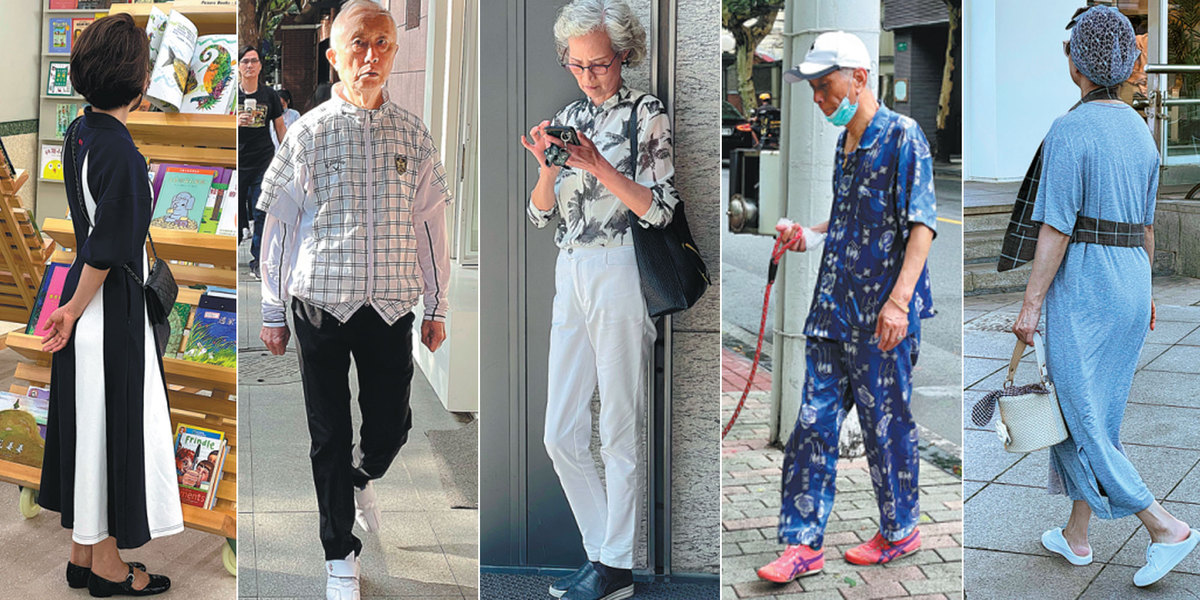
The growing number and share of older people in Asia-Pacific region is the result of declining fertility and increasing longevity as well as advances in social and economic development. This demographic transition is taking place against the backdrop of the accelerating Fourth Industrial Revolution. But COVID-19 has exacerbated the suffering of seniors in vulnerable situations and demonstrated the fragility of this progress.
The Asia-Pacific region is home to the largest number of older people in the world - and is rapidly aging. When the 2030 Agenda for Sustainable Development was adopted in 2015, 8 percent of the region's total population was 65 years or older. By 2030, when the agenda comes to an end, it is projected that older individuals will comprise 12 percent of the total population, or one in eight people. Fifty-four percent of all older people in the region will be women, and their share will increase with age.
The Asia-Pacific region has made much progress in connecting the region through information and communication technologies (ICTs). At the same time, it is still the most digitally divided region in the world. Approximately half of its population lacks internet access. Women and older people - especially older women - are the least likely to be digitally connected.
COVID-19 has demonstrated how technologies can help fight the spread of the virus, sustain daily life, support business continuity and keep people socially connected. It has also shown that those who are excluded from the digital transformation, including older people, are at increased risk of being permanently left behind. Digital equity for all ages is therefore more important than ever.
The next few years provide an opportunity for the Asia-Pacific region to build on its successes with regard to population aging and rapid digital transformation, learn from the tragic consequences of the pandemic, and promote and strengthen the inclusion of older people in the digital world. The 2022 Fourth Review and Appraisal of the Madrid International Plan of Action on Aging and the further elaboration of the Asia-Pacific Information Superhighway will allow countries to develop policies and action plans to achieve digital equity for all ages.
Among those policies, it is particularly important to promote digital literacy and narrow digital skills gaps of older people through tailored peer-to-peer or intergenerational training programs. In the fast-changing digital environment, developing, strengthening and maintaining digital literacy requires a life-course approach.
Moreover, providing accessible, affordable and reliable internet connectivity for people of all ages must be a priority. Expanding digital infrastructure, geographical coverage and digital inclusion of older people through targeted policies and programs will improve access, enable greater social participation, empower older people, and enhance their ability to live independently.
As highlighted in the Madrid Plan of Action, technology can reduce health risks and promote cost-efficient access to healthcare for older people, for instance, through telemedicine or robotic surgery. Assistive technology devices and solutions can support more and safer mobility for older people, especially those with disabilities or living alone. Social media platforms can promote social interaction and reduce social isolation and loneliness.
The Economic and Social Commission for Asia-Pacific guidebook on using information communication technologies to address the healthcare needs of older people has documented good practices from around the region. It also includes policy recommendations and a checklist for policymakers to mainstream ICTs in policies affecting older people.
While older people are among the least digitally connected population groups, they are among the most vulnerable to cyberthreats. It is, therefore, critical to establish adequate safety measures, raise awareness, and teach older users to be cautious online.
As we commemorate the United Nations International Day of Older People 2021, let us remind ourselves that the risks and vulnerabilities experienced by older people during the pandemic are not new. Many older people in the region lack social protection such as access to universal health care and pensions.
The COVID-19 recovery is an opportunity to set the stage for a more inclusive, equitable and age-friendly society, anchored in human rights and guided by the promise of the 2030 Agenda to leave no one behind. Digital equity for all ages, highlighted in the 2030 Agenda, goes beyond national interests. Greater digital cooperation by governments and stakeholders is instrumental for both inclusive and sustainable development and building back better. At the regional and subregional levels, digital cooperation can be fruitfully leveraged to build consensus and share good practices, lessons learned, and policy recommendations. These, in turn, can supplement national-level policy and decision-making for the benefit of all age groups.
Armida Salsiah Alisjahbana is the United Nations under-secretary-general and executive secretary of the Economic and Social Commission for Asia-Pacific region (ESCAP).
The opinions expressed here are those of the writer and do not necessarily represent the views of China Daily and China Daily website.
If you have a specific expertise and would like to contribute to China Daily, please contact us at opinion@chinadaily.com.cn, and comment@chinadaily.com.cn.