


Nationwide support ensures lasting harvest of underground findings on plateau
A captivating picture of ancient cultural exchange routes across the Qinghai-Tibet Plateau, which stands more than 4,000 meters above sea level against a picturesque backdrop of snow-covered mountains, is gradually emerging from below ground.
Thanks to recent discoveries in Damshung county on the outskirts of Lhasa, capital of Tibet autonomous region, archaeologists are learning more about how different ethnic groups from the 7th to 9th centuries communicated with one another.
In 2020 and last year, Tashi Tsering, an archaeologist at the Cultural Relics Conservation Institute of Tibet Autonomous Region, and his colleagues excavated 36 tombs from that period.
Forming part of a cemetery, 52 tombs with earthen mounds have been discovered at the Damshung site, along with some 300 cultural relics, including fabrics, gold and silver artifacts, gems and pottery.
For Tashi Tsering, who gave a public briefing on the findings during an online conference organized by the National Cultural Heritage Administration on Jan 13, the site offers exciting prospects.
"This is the first comprehensive excavation in Tibet of a complicated cemetery with earthen mounds from that time," he said. "Many of the unearthed relics feature typical characteristics from the plains of Central China and neighboring cultures."
From the 7th to 9th centuries, the powerful Tubo kingdom's rule spread across the Qinghai-Tibet Plateau. Meanwhile, to the east, the Tang Dynasty (618-907), famed for its inclusive culture, also experienced a golden era of the Chinese imperial age.
As a result, communication between the two sides was inevitable, and is best witnessed by visiting the Damshung site.
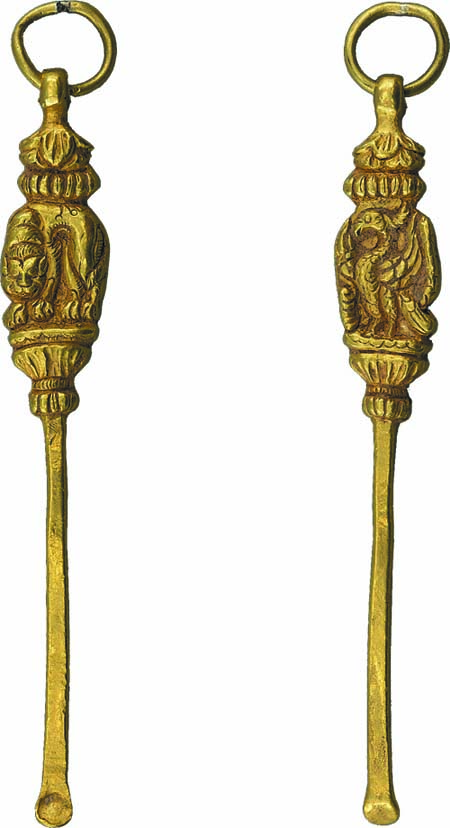
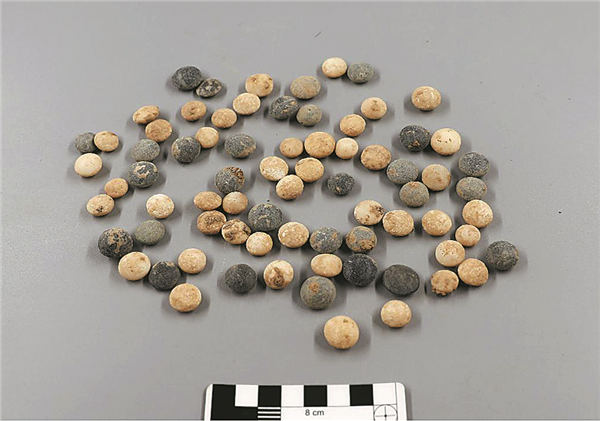
For example, black-and-white stone pieces from the traditional Chinese board game Go, or weiqi, were discovered. A pair of golden ear picks adorned with lion- and bird-shaped designs, along with some lacquerware fragments, were also among the main findings.
Tashi Tsering said: "None of these items had been sighted in previous archaeological excavations in Tibet. Go, of course, originated in Central China and was widely popular during the Tang Dynasty. Lacquer items and the decorations on the ear picks are also typical of this dynasty.
"These discoveries provide precious evidence of the cultural exchanges between the Tang Dynasty and Tubo, explaining how different ethnic groups came together," he said.
He added that the discoveries also provided a vital clue to studying Tibetan burial rituals during the Tubo period.
Shargan Wangdue, deputy director of the Cultural Relics Conservation Institute of Tibet Autonomous Region, said: "Tang and Tubo cultural influences benefited both sides. Mutual learning and interaction created prosperity."
Pottery shards from the Damshung cemetery, painted with human faces, especially attracted archaeologists' attention-providing the first evidence on the Qinghai-Tibet Plateau of the Tibetan tradition of using red makeup on the cheeks.
"This tradition was very popular in Tubo before it was widely adopted by other ethnic groups living on the plateau," Shargan Wangdue said.
As far away as Chang'an (present-day Xi'an, Shaanxi province), capital of the Tang Dynasty, the tradition also became fashionable among women.
"The Damshung site is just the start of a major project to unveil ancient roads connecting the Tang Dynasty and Tubo," Shargan Wangdue added.








