Measures will help protect most vulnerable wildlife









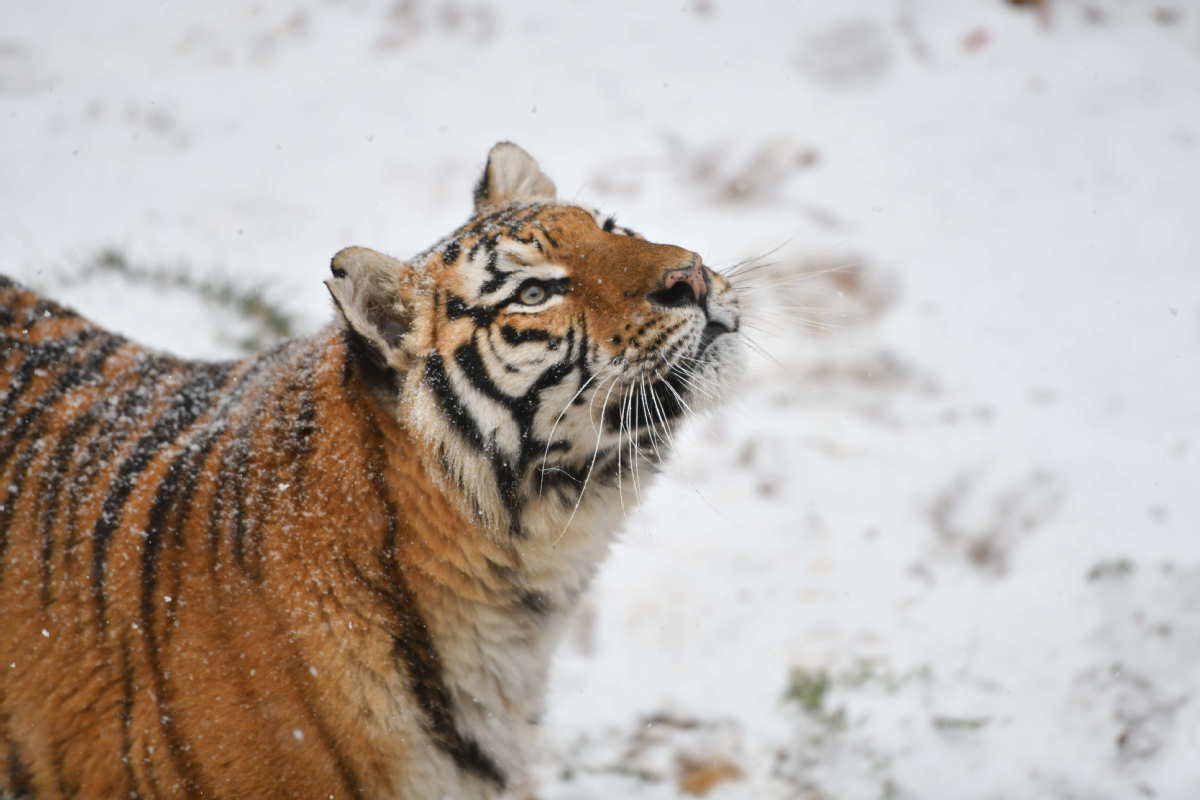
China will implement multiple measures in the next five years to protect the country's most vulnerable wildlife through habitat protection, scientific research and captive breeding.
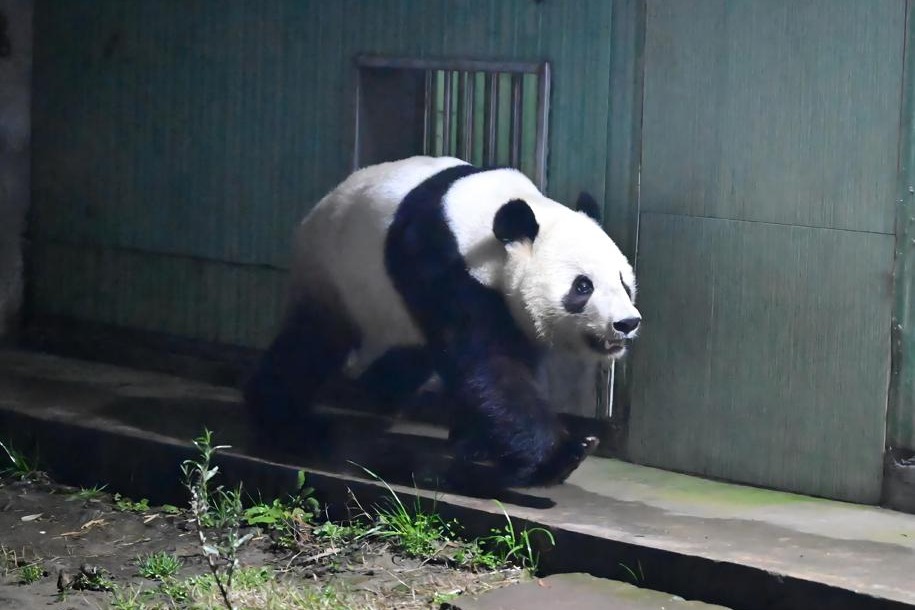
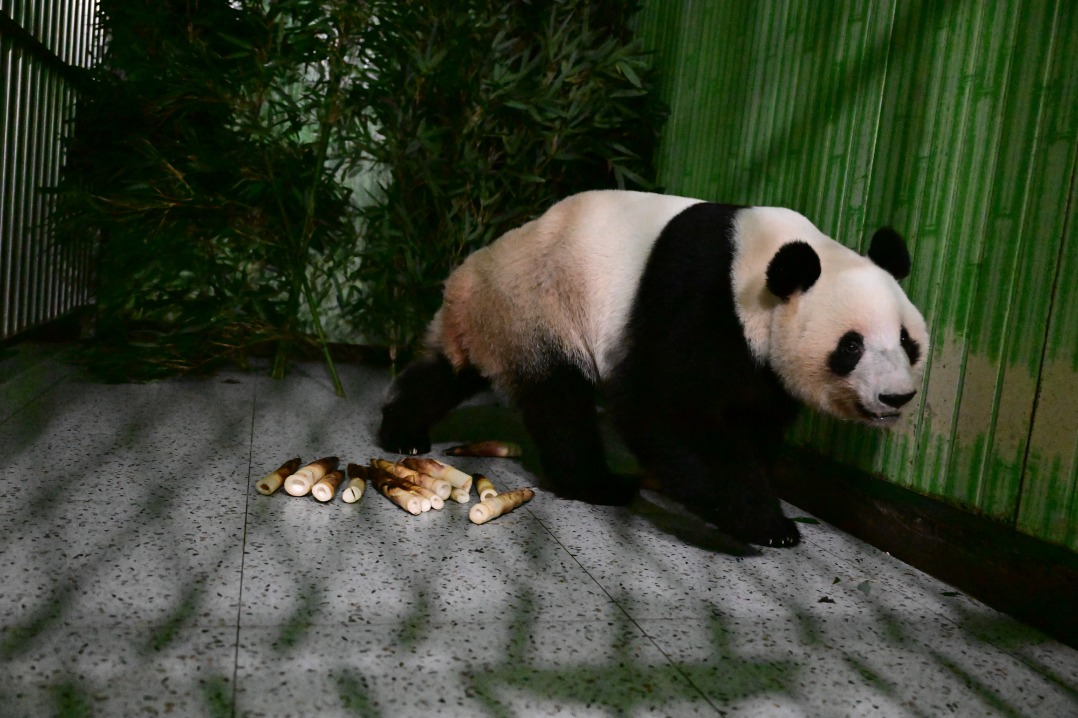
Special investigations will be conducted on 48 wild animals, including the giant panda, Asian elephant, Hainan gibbon, Siberian tiger and Chinese pangolin, the National Forestry and Grassland Administration announced on Thursday.
It said such investigations will also cover 50 plant species with extremely small populations, such as Qiaojia pine – a critically endangered pine native to a single locality in Southwest China's Yunnan province – and Abies beshanzuensis – a species of fir that has just three wild individuals in East China's Zhejiang province.
With Thursday marking United Nations' World Wildlife Day, the administration announced that China will focus on its protection of key species and encourage the general public to contribute to conservation and environmental rehabilitation work.
In the next five years, the administration said it will put in place conservation plans to protect 100 plants that have scattered distribution areas, extremely low populations, or are severely threatened by factors such as human activities, climate change and habitat loss.
The administration will also accelerate the adjustment of China's list of territorial wild animals with important ecological, social and scientific values. Other regulations and laws on wildlife protection will also be further refined, it said.
Over the past decades, China has made great achievements on wildlife protection. The most prominent example is the giant panda, whose population has grown from 1,114 in the 1970s to the current 1,864.
The country has also established many natural reserves that now cover 18 percent of its land. Those reserves protect 90 percent of China's vegetation species and 85 percent of its key wildlife species, according to the administration.
In Hainan Tropical Rainforest National Park in Hainan province, the population of the Hainan gibbon has increased from less than 10 in the 1980s to 35.
In Northeast China Tiger and Leopard National Park in Jilin and Heilongjiang provinces, a high-tech surveillance system has been launched to provide real-time protection for flora and fauna.
The system has captured more than 4,000 images of Siberian tigers and Amur leopards, according to Hou Ling, director of the park's management office.
"Now, there are more than 50 Siberian tigers and about 60 Amur leopards, including more than 17 cubs in the park," Hou added. "More importantly, the survival rate of Siberian tiger cubs has increased from 33 percent before the establishment of the park in 2016 to the current 50 percent."
Dozens of China's endangered plants have seen stable growth in their numbers over several decades thanks to improved conservation efforts, according to a survey released recently by the administration.
In January, the State Council announced plans to establish the country's first national botanical garden in Beijing. The garden will focus on the protection of plants and scientific research. It will also promote off-site conservation of plants and the systematic collection, preservation, high-level research into and sustainable utilization of plants.
To further intensify habitat restoration work, the administration said it will map more protection areas for key wildlife species and build more ecological corridors, aiming to expand the area of major protected wildlife habitat by 10 percent in the next five years.
It will also build more wild animal captive breeding centers and help those endangered wild animals under captive breeding, such as the giant panda, milu deer and crested ibis, return to the wild.




- 11 members of a family-run syndicate based in northern Myanmar executed for intentional homicide, fraud, and other crimes
- Awards for outstanding sci-tech achievements, several sparking industrial leaps
- Chinese scientists reveal key mechanisms in early human embryonic development
- International students commit to strengthening ties between China and their home countries
- Xi meets British PM in Beijing
- China expects 9.5b passenger trips in upcoming travel rush