Investing in midwives is crucial for sustainable development









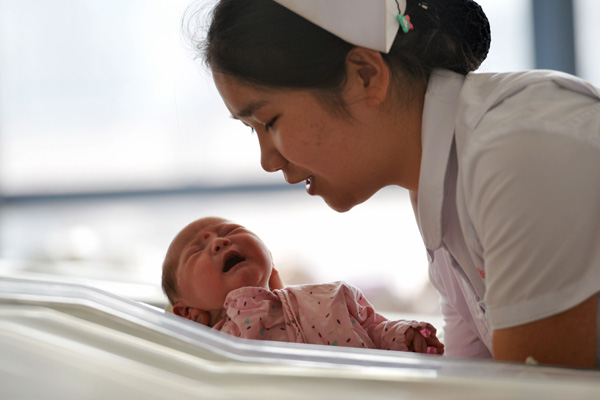
Midwives save lives. In the last 100 years, we have seen significant advancements and achievements in the age-old profession of bringing life into the world. Yet, in the Asia and the Pacific region alone, there is a staggering shortage of 200,000 midwives.
This year, as we mark the centennial anniversary of the International Confederation of Midwives, we celebrate the bravery, skills, and compassion of midwives, while calling on governments to commit to increased investments in midwifery across Asia and the Pacific to uphold sexual and reproductive health and rights for all.
The COVID-19 pandemic reinforced the central role that midwives play in delivering life-saving care for women. Across the region, midwives stepped-up to ensure safe birth continues despite the pandemic. They also continue to provide a vital link in accessing essential sexual and reproductive health services, including family planning, antenatal care, mental health for pregnant women, and access to gender-based violence response services, as well as in ensuring the rights of women and girls are upheld.
Despite their expanded role and tangible results that they have delivered in challenging circumstances during the health crisis, too many midwives are not recognized for their skills and their lifesaving work.
Governments must ensure the sexual, reproductive, maternal, newborn and adolescent health workforce have supportive rights-based policies and working environments that enable delivery of quality care for all.
Strengthening the quality of midwifery education and training is equally essential. Yet, upgrading midwifery education programmes to align with international standards is only part of the solution. In addition to creating a pipeline of competent midwives that can be deployed across countries, midwives must be placed in leadership roles within healthcare systems.
Placing midwives in decision-making roles creates avenues for their voices to be heard and allows their knowledge and leadership to support fellow midwives with the resources and skills they need.
No woman should die giving life. As the challenges of population growth, climate disasters and public health crises intensify across Asia and the Pacific, achieving the Sustainable Development Goals looks increasingly unattainable, unless we chart a more ambitious course.
Studies in the Lancet report on the impact of midwives and UNFPA’s 2021 State of the World's Midwifery Report have demonstrated unequivocally that investments in midwives is the most cost-effective way to achieve targets on maternal mortality, neonatal mortality, and women’s health and rights. The evidence shows that if midwives are supported they can deliver 90% of sexual, reproductive, maternal, adolescent and neonatal health needs.
Healthy women with planned pregnancies and healthy babies create a positive feedback loop that is felt across every aspect of a family, community, and country.
As citizens, as governments, as donors or as community leaders, we must invest in midwives as a way of accelerating progress towards achieving universal sexual and reproductive health and rights and laying the foundation for a better world.
On International Midwives Day, let us demonstrate our commitment to the Sustainable Development Goals and invest in the shared and collective vision of a world where every pregnancy is wanted and every childbirth is safe.
Bj?rn Andersson is the Regional Director for the United Nations Population Fund for the Asia and Pacific region.
The opinions expressed here are those of the writer and do not necessarily represent the views of China Daily and China Daily website.
If you have a specific expertise, or would like to share your thought about our stories, then send us your writings at opinion@chinadaily.com.cn, and comment@chinadaily.com.cn.