No, collective punishment can't help end Ukraine crisis









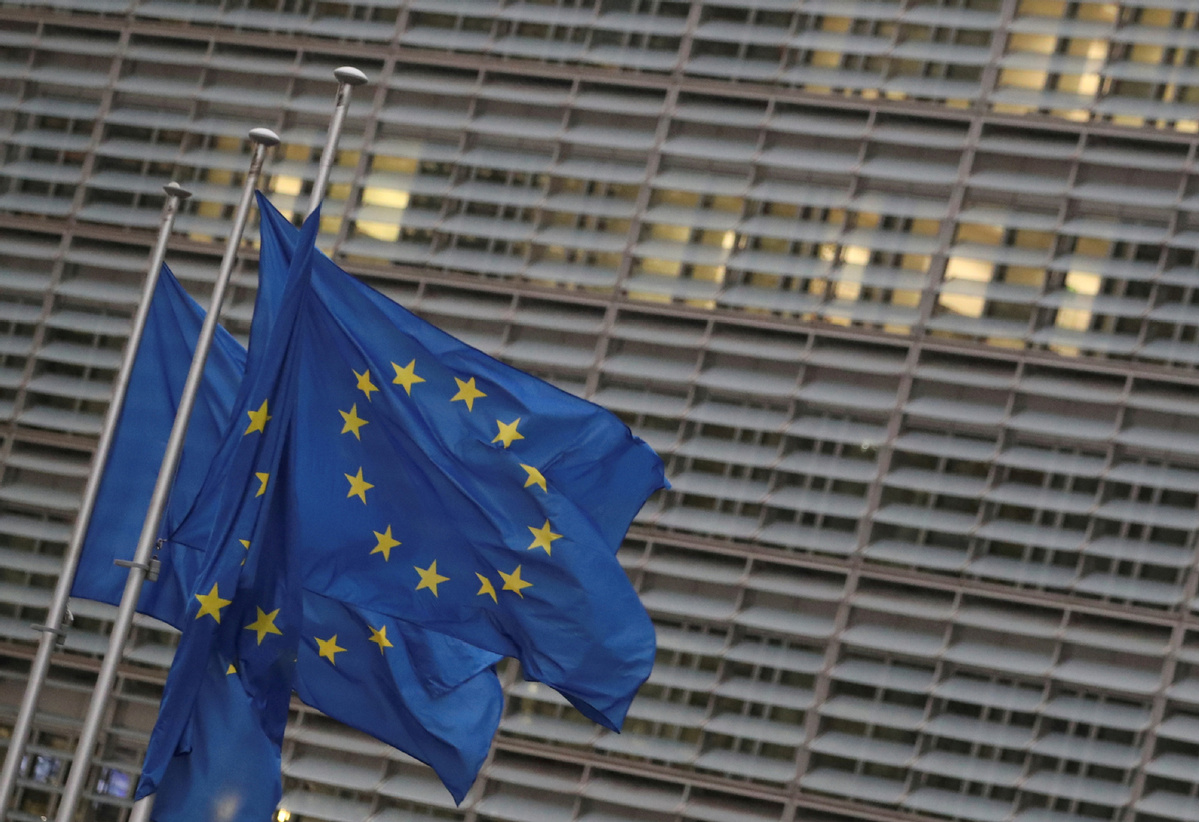
The heated debate among 27 European Union member states on whether to ban tourist visas to Russian citizens is essentially about whether collective punishment is justified. Finland and the three Baltic states of Estonia, Latvia and Lithuania have led the charge of imposing such a ban by taking unilateral measures restricting visas to Russians.
Finnish Prime Minister Sanna Marin argued that ordinary Russian people "are supporting the war" and "I think it's not right that Russian citizens can travel, enter Europe's Schengen area, be tourists, see the sights", while Estonian Prime Minister Kaja Kallas tweeted that "visiting Europe is a privilege, not a human right".
The development followed Ukrainian President Volodymyr Zelensky issuing a call on Aug 12, asking EU states to ban visas for Russian nationals, a call immediately denounced by the Russian government.
German Chancellor Olaf Scholz didn't support the ban, saying in Oslo on Monday that "this is not the war of the Russian people "and adding that there are Russians who disagree with their government.
The truth is that collective punishment such as a visa ban on all Russians won't help end the Russia-Ukraine conflict, just like the six rounds of sanctions announced by the EU which target not just rich and powerful individuals, but all 146 million Russians, including women and children, couldn't de-escalate the conflict.
These sanctions have caused enormous hardship for ordinary Russian citizens as well as citizens across the EU member states. The ban imposed by the EU and Russia on overflying each other's airspace, for example, has not only caused huge inconvenience for average travelers, but also drastically increased carbon emissions due to the much longer flight time. Not to mention the restoration of coal-fired power plants by some EU states to overcome the energy crisis.
The US embargo on Cuba since the early 1960s is probably the worst form of collective punishment in modern history. The United States is still using myriad excuses to justify the brutal embargo despite the United Nations General Assembly condemning it every year.
As the world turned attention this week on the one-year anniversary of the Taliban takeover in Afghanistan, there has been much talk about a worsening humanitarian crisis in that country. But few in the West are willing to discuss how Western sanctions and the freezing of Afghan central bank's assets have contributed to the plight.
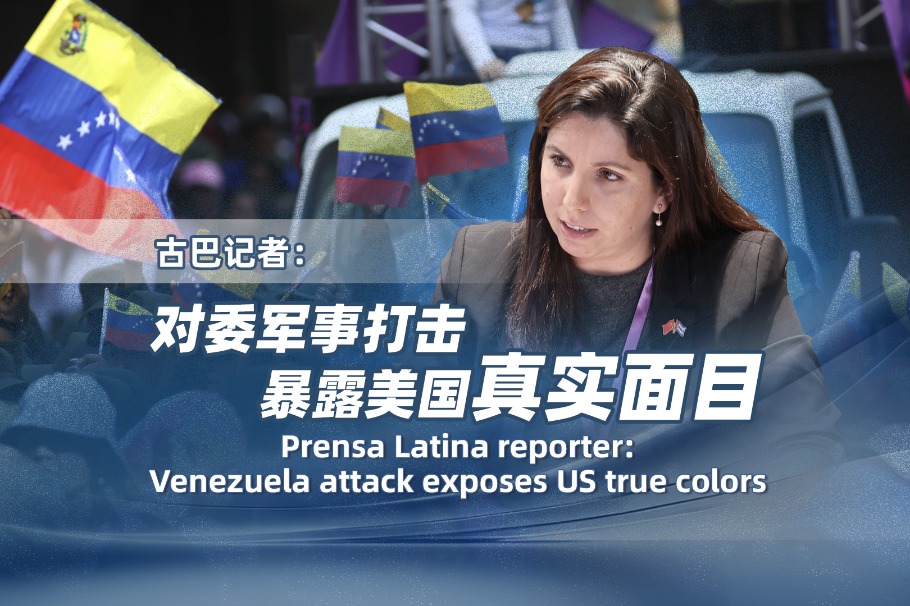
Western sanctions have also impoverished people in Iran, the Democratic People's Republic of Korea, Venezuela, Myanmar and Syria. The hypocrisy, of course, is that none of those countries calling for a visa ban on Russian citizens made similar arguments when US-led forces waged wars in Afghanistan and Iraq for years, and bombed Libya, resulting in the deaths of countless civilians.
What is lacking in today's world is not more sanctions such as visa bans, but more diplomatic efforts to bring an end to the Russia-Ukraine conflict. Sadly, however, any EU leader trying to reach out to Russia to end the conflict will likely be accused of appeasement.
While more diplomatic engagements are badly needed, more exchanges among ordinary people, including tourists, could also help increase mutual understanding and create opportunities for a negotiated settlement.
The EU foreign ministers' meeting at the end of this month is expected to discuss the controversial issue of visa ban. But with four Schengen countries-Switzerland, Norway, Iceland and Liechtenstein-not being EU members, a ban could be more complicated.
Whatever the result, the talk of such collective punishment is not just wrong, but a huge distraction from the real efforts needed to end the conflict-diplomatic wisdom and statesmanship. These are what Ukraine, Russia, the EU and the rest of the world really need.
The author is chief of China Daily EU Bureau based in Brussels.
chenweihua@chinadaily.com.cn