BRI keeps nations on the move









From speedier rail and roads to ports, infrastructure boost felt across continents
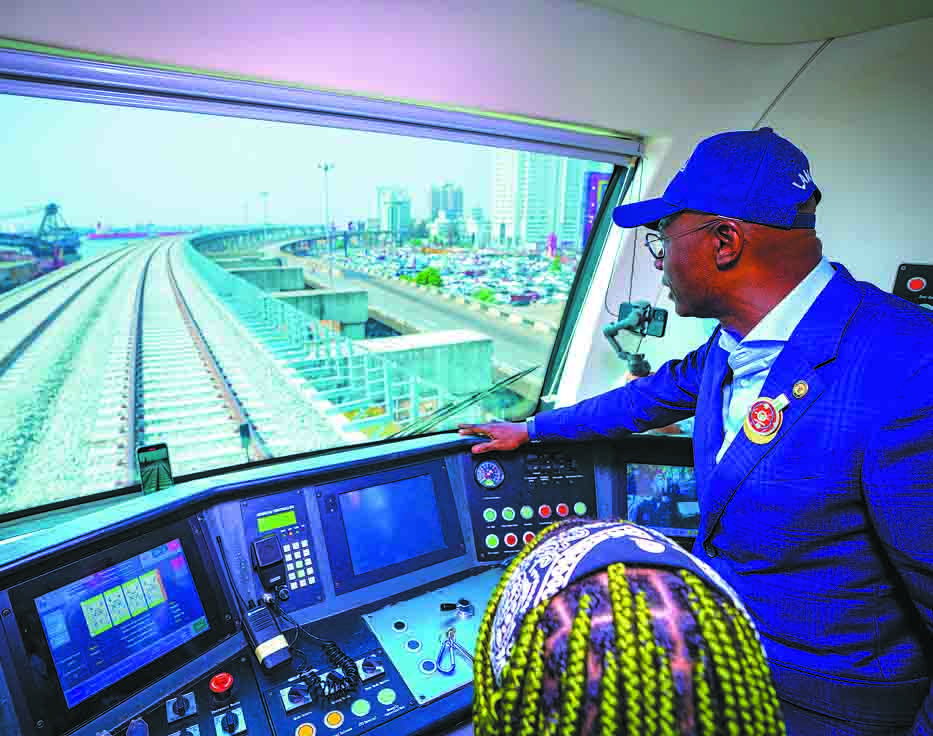
With a population of more than 15 million, Nigeria's commercial hub Lagos is constantly snarled in traffic. But with the completion at the end of the year of sorely needed transport infrastructure built by China, connectivity in West Africa's biggest city is expected to soon see significant improvements.
Referred to as a project that is "remaking history" by Babajide Olusola Sanwo-Olu, governor of Lagos State, the first phase of the Lagos Rail Mass Transit, or LRMT, which was completed on Dec 21, will carry more than 250,000 passengers daily on the 13-kilometer railway line when it is put into commercial operation in the first quarter of 2023.
The LRMT Blue line, with a total length of 27 km, is the first electrified light rail system in West Africa and the largest infrastructure project completed in Lagos State. It was constructed by China Civil Engineering Construction Co and financed by the Lagos State government.
When the second phase of the light rail is completed, the whole system will carry more than half a million passengers daily, greatly relieving the traffic congestion in Lagos while contributing to a huge reduction in greenhouse gas emissions, Abimbola Akinajo, managing director of Lagos Metropolitan Area Transport Authority, said at a ceremony to mark the completion of the first phase of the project.
"The rail system would provide thousands of direct and indirect jobs for our teeming youths as well as training to equip them to work in the rail industry," she said.
The LRMT is the latest major achievement of the China-proposed Belt and Road Initiative in Nigeria, and for Africa as a whole, over the past year.
With China's assistance, many railways, highways, airports, deep seaports, hydropower and telecommunication projects as well as economic and trade cooperation zones have been built or are under construction across many countries in Africa and other continents, energizing their economic and social development.
The Lekki Deep Sea Port, located in Lagos and the biggest seaport in Nigeria, was completed in November and equipment commissioning and personnel training are underway. The port is expected to start commercial operations by the end of March, according to its builder, China Harbour Engineering Co.
The port will be able to handle 1.2 million containers annually, increasing Nigeria's container handling capacity by as much as 80 percent. In doing so, it will play a significant role in helping the country break the bottleneck in international trade and achieve accelerated economic growth.
In Kenya, the country's first expressway was also opened to the public last year.
The 27-km Nairobi Expressway, built by China Road and Bridge Corp, has become increasingly popular among commuters since it began operation in May, and daily traffic has reached 50,000 vehicles, according to its operator.
In Southeast Asia, the Jakarta-Bandung High-Speed Railway, the first high-speed railway in the region, had a successful trial operation in November. Trains on the 142-km railway line, built with Chinese technology, are expected to run at up to 350 km/h after the line starts operations this year. The line will reduce the travel time between the Indonesian capital and Bandung from more than three hours to just 40 minutes.
In October, the China-invested Phnom Penh-Sihanoukville Expressway, Cambodia's first major highway, was completed and opened to traffic.
Reducing travel time
The 187-km expressway reduces the travel time between the kingdom's capital and biggest port city by more than half. It will also spur the development of regions along the route and aid the country's economic recovery.
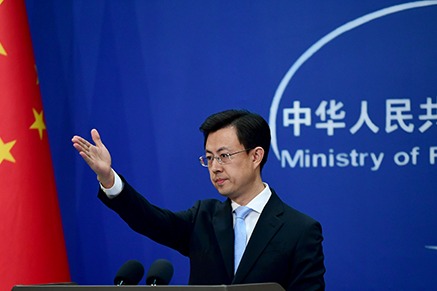
In 2022, the BRI was increasingly popular worldwide and another five countries signed BRI cooperation agreements with China, Mao Ning, a spokeswoman for China's Foreign Ministry, said at a news conference on Dec 26. During the first 11 months of 2022, the value of trade between China and countries engaged with the BRI increased by 20 percent, she added.
As of Dec 6, 150 countries and 32 international organizations had joined the BRI, with more than 200 cooperation agreements signed, making it an attractive international cooperation initiative globally.
The initiative has the potential to substantially improve trade, foreign investment and people's living conditions, and transport projects carried out under the BRI alone can lift 7.6 million people from extreme poverty, according to a report by the World Bank.
Adhere Cavince, a scholar of international relations with a focus on China-Africa cooperation, in Nairobi, Kenya, said that since the BRI was launched nearly a decade ago, almost all African Union member states have signed cooperative agreements with China.
Under the BRI, Africa has mustered comprehensive investments and infrastructure upgrades spanning ports, railways, roads, telecommunications and energy installations, he said.
Putting the BRI into context, more than 13,000 kilometers of roads and railways were built in Africa by Chinese companies between 2000 and 2020, in addition to more than 80 major power facilities, more than 130 healthcare facilities and more than 170 schools, according to a report released by China's State Council Information Office.
"While infrastructure construction remains the most visible component of the BRI, the initiative is supported by four other pillars, namely trade, policy coordination, financial inclusion and cultural exchanges," Cavince said.
"These four pillars are often bypassed or not discussed enough in both popular and academic discourse yet in concert, they work alongside infrastructure construction to give the BRI the edge over other global development initiatives."
With various projects carried out under the BRI, which places "peace and development at the heart of international cooperation", Kenya has strengthened its position as a regional transport hub, increased its agricultural exports, benefited from technology transfers, and increased cultural exchanges with China, he said.
Bringing benefits
Paul Tembe, a senior lecturer and researcher at the University of South Africa's department of linguistics and modern languages, said that although the BRI may be China's idea, it has brought benefits to the world through infrastructure development and people-to-people understanding, as well as by promoting multilateralism and international solidarity.
"As the world faces the prospect of a retreat from globalization toward hypernationalism, it is prudent to reflect on the benefits of the Belt and Road Initiative," he said. "China's Belt and Road Initiative is a game-changer in international affairs, trade and financial relations, and the governance of multilateral institutions."
Cavince said that, in many ways, the BRI is aligned with the Africa Agenda 2063, so African countries should as much as possible map their development programs on the aspirations of the BRI for maximum returns to African people.
"One approach could be the adoption of public-private partnerships in BRI implementation," he said. "Such arrangements promote sharing of responsibilities, decision-making and resource allocation in the overall project's life."