



Reform will make health insurance system more beneficial for all









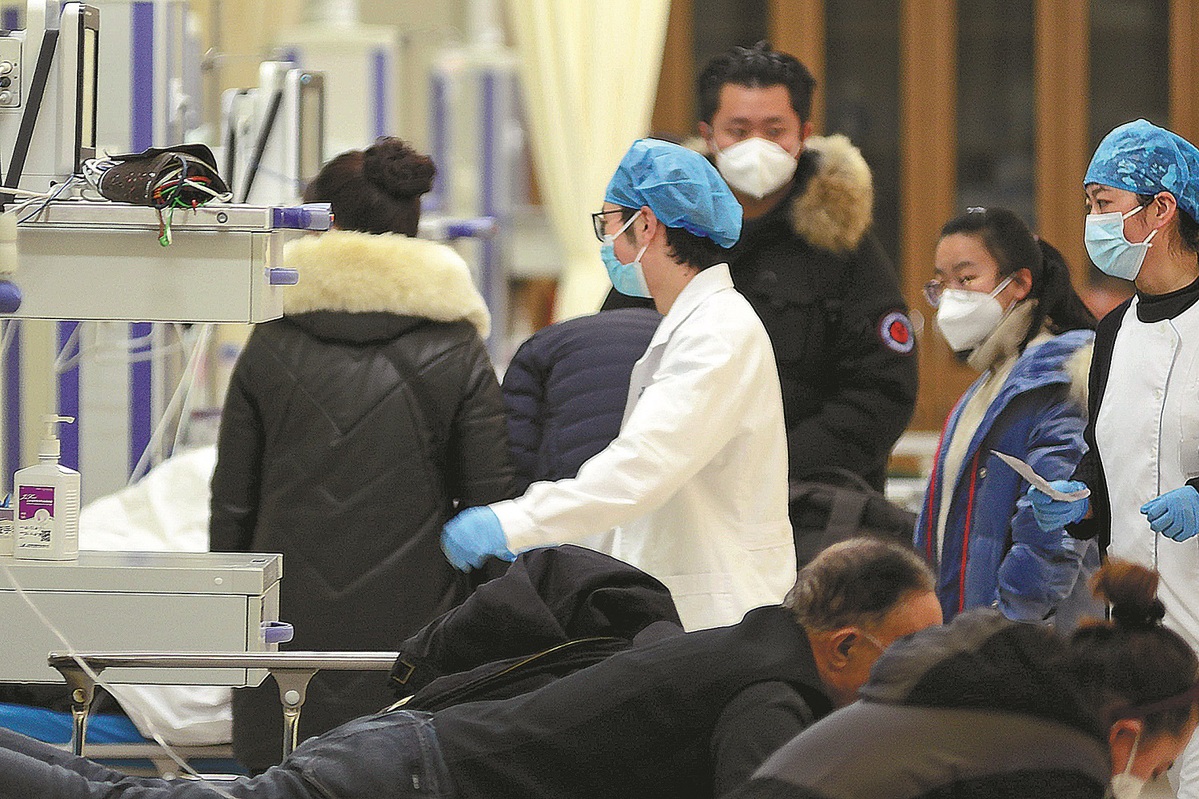
As part of a much-needed health insurance reform, some local governments have adjusted the health insurance programs for urban employees and retirees, by establishing a new outpatient insurance system, which can reimburse at least 50 percent of outpatient bills and medical bills in pharmacies.
During the planned economy era, people did not need to pay any health insurance premium despite enjoying free medical treatment, which led to the serious waste of medical resources.
After the launch of the reform and opening-up bid in the late 1970s, which facilitated China's transition from a planned economy to a socialist market economy, the authorities established a health insurance system. The health insurance mechanism for urban employees and retirees can be of two types: the mandatory personal account-based health insurance program, with both employees and their employers contributing to the personal accounts which mainly pay for ordinary outpatient treatment; and a pooled fund contributed by employers which is used to reimburse hospitalization bills.
The health insurance system helped people to understand the advantages of paying insurance premiums in exchange for getting quality medical treatment, and reduced medical wastes, ensuring the success of the health reform.
However, the problems of the personal accounts-based health insurance system have become increasingly prominent. First, since ordinary outpatient medical bills can be paid only through personal account deposits, some people who rarely visit doctors have tens of thousands of yuan in their personal accounts, while the personal accounts of many senior citizens are always short of money due to frequent outpatient visits, which hinders the elderly from getting proper medical treatment.
Second, the amount deposited in the personal accounts is usually so small that it can hardly cover their medical costs, especially for many senior citizens. Data show that in a big city, only 5 percent of people had more than 10,000 yuan ($1,456) in their account and only 1 percent had over 20,000 yuan, while on average it costs about 16,000 yuan for hospitalization in a tertiary hospital.
Third, the personal accounts have resulted in a high hospitalization rate, because Chinese people prefer hospitalization to getting treatment when their outpatient bills cannot be reimbursed in an outpatient department. For the record, the admission rate among retirees is 39.5 percent, compared with 9.9 percent for working-age employees.
As a result, many experts say the personal accounts should be abolished. To be sure, the central government has been gradually introducing reforms in the insurance sector.
The central leadership first proposed reforms in the personal account system in 2021 to establish an insurance mechanism for outpatient expenditure, with the State Council, China's Cabinet, laying out more specific reform measures in April that year to ensure all provinces and cities establish the law-based, top-down system.
After the health insurance reform, part of the money deposited by employers into their employees' personal accounts will be put in a pool in order to facilitate the reimbursement of the medical bills of ordinary outpatients.
It is important to make clear that the fears of the medical insurance sector running out of funds are baseless, because the national medical insurance fund had a surplus of 630 billion yuan last year.
According to the National Healthcare Security Administration, retirees on average pay 8,000 yuan a year to cover medical expenses, while working people spend only 2,000 yuan, which means the retirees will benefit more from the insurance mechanism to cover outpatient expenditure.
Some people also argue that it will become more difficult for people to use their personal accounts. But on the contrary, the reform will facilitate the reimbursement of outpatient medical bills under the national health insurance system. For example, in Wuhan, Hubei province, more than 5,000 pharmacies and medical institutions have been included in the system, making it easier for outpatients to get their outpatient medical bills reimbursed.
In addition, insured individuals can get reimbursement for their medical expenses even if they move to other provinces or cities. More important, the new program also allows the insured to use the money in their personal accounts to pay the medical bills of their family members.
True, the personal account system has played an important role in China's economic reform, but the health insurance reform today will make the system universally beneficial, ease the financial burden of retirees, make the use of the pooling fund more efficient and promote the sustainable development of the fund.
The author is an associate professor at the School of Public Administration, Central China Normal University.
The opinions expressed here are those of the writer and do not necessarily represent the views of China Daily and China Daily website.
If you have a specific expertise, or would like to share your thought about our stories, then send us your writings at opinion@chinadaily.com.cn, and comment@chinadaily.com.cn.





