Wind of change
China is pushing for reform of the current international system, not the building of a new one









China is pushing for reform of the current international system, not the building of a new one
Editor's note: The world has undergone many changes and shocks in recent years. Enhanced dialogue between scholars from China and overseas is needed to build mutual understanding on many problems the world faces. For this purpose, the China Watch Institute of China Daily and the National Institute for Global Strategy, Chinese Academy of Social Sciences, jointly present this special column: The Global Strategy Dialogue, in which experts from China and abroad will offer insightful views, analysis and fresh perspectives on long-term strategic issues of global importance.

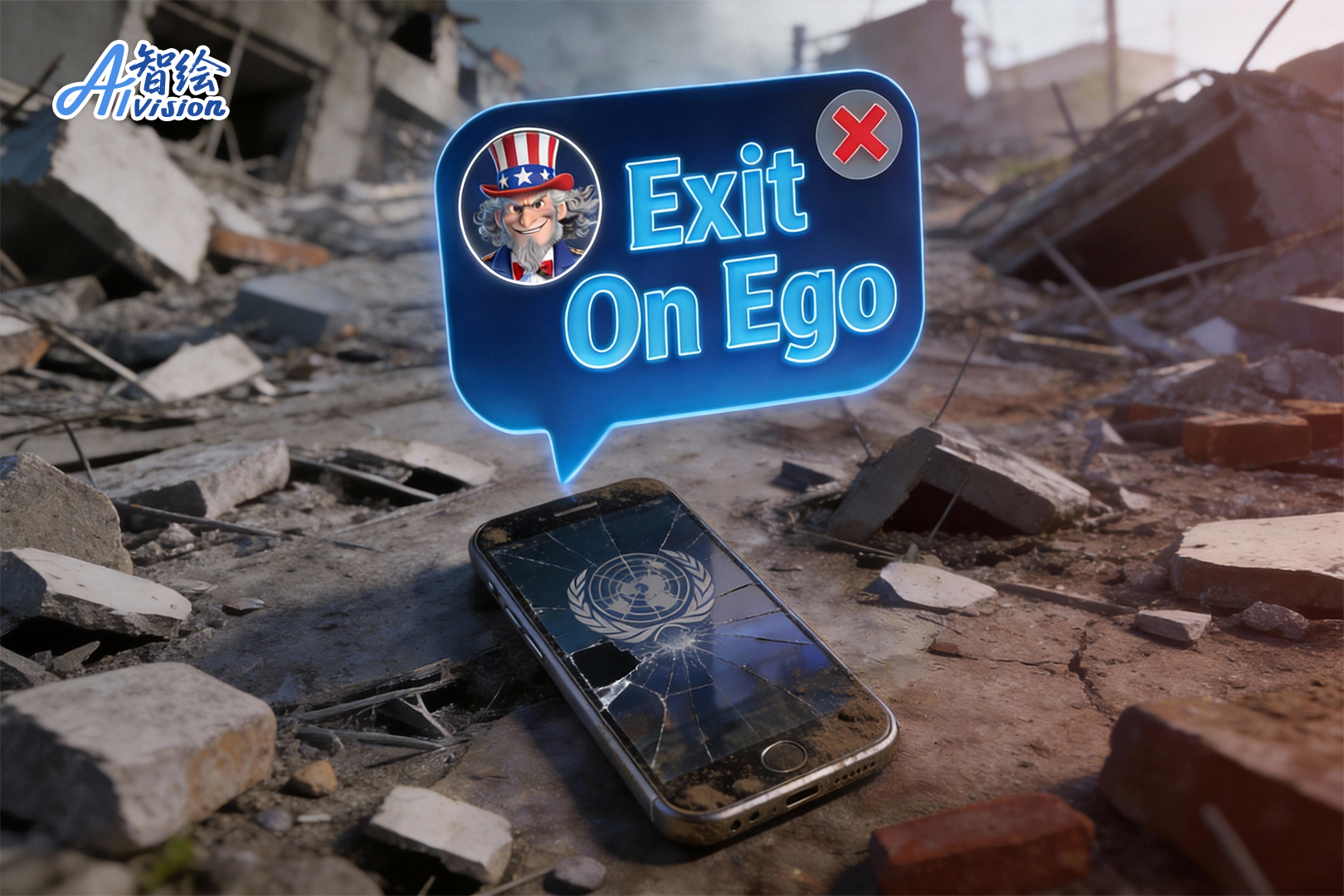
The end of World War II ushered in a new era, and saw the establishment of a new international order. On Jan 1, 1942, representatives of 26 countries signed the Declaration by the United Nations, and three years later, the UN was established. It marked the formation of an international system with the UN as its core. In the following decades, nearly all sovereign countries in the world have been included in the new global system, and the UN Charter has become the cornerstone of contemporary international relations.
However, the UN-centered international system faces many constraints in fulfilling its mission to preserve peace. The shift in the global balance of power is the major factor shaping the global order. The early decades of the UN saw the Cold War between the Soviet Union and the United States, and after the dissolution of the Soviet Union, the US became the sole superpower. The US, along with other Western countries, has been playing a dominant role in establishing international organizations and rules. That's why the Western countries have repeatedly asked other nations to obey the current international rules.
Today, the dominance of the US-led West is waning as the strength of the rest of the world is growing. In the coming decades, the strength of the Global South will grow faster than that of the Western states. China, as the world's largest developing country, and other developing nations, such as India and Indonesia, will also join the ranks of the world's largest economies.
The international system should be reformed in response to the changes in the global landscape. Today, the reform is aimed at curtailing the dominance of Western countries in international relations and global rules, and increasing the say and influence of other nations in the international system. The US-led West is reluctant to accept, if not resistant to, the reforms, and they are bent on preserving their current status.
The West remains vigilant against rising powers, and takes all measures to contain the growth of countries they view as competitors and adversaries. It is out of their fear that Beijing seeks to change the current international system and rules that the US has launched an all-out strategic competition with China, and has roped in its allies to encircle and contain China.
In fact, despite China having a political system different from that of the West, the country has participated in nearly all international organizations that came into being after the end of World War II, and is a key stakeholder in the current global system. Western countries should prioritize solving their domestic problems, rather than curbing the rise of other nations, and make adjustments in light of the changing international landscape to enhance their own strengths by seizing the opportunities brought by the development of other countries.
China was once the most powerful country in the world, and had been at the center of the international relations in the East of the world until its decline began in modern times as the Industrial Revolution led to the rise and expansion of the West. It was not until the establishment of the People's Republic of China that the nation reversed its falling trajectory and ushered in a new era of national rejuvenation.
In 2010, China became the world's second-largest economy, and it is expected to overtake the US as the largest by 2035. The growing overall strength and economic clout of China has significant implications for the world.
China's rapid development has been underpinned by its system of socialism with Chinese characteristics and its joining the current international system. China has adopted a path of development and modernization that is different from that of Western countries, and thus, the country's rise has triggered concerns among the Western countries. But at the same time, China is an important participator of the current international system, and its development is of great importance to the whole world. This reflects two seemingly contradictory characteristics of today's world: diversity and coexistence.
With the ascendancy of the West in modern times, the influence of Western politics, ideology, culture and development paradigm has also been on the rise. After the end of the Cold War, there was the argument of "the end of history" and the "universalization" of Western liberal democracy as the final form of human government. But as history has proved, the world has become more diversified instead. China's political system and its development path are just one example of this diverse world.
Given the sheer size of China's economy, the country's development has immense influence on the world. In this sense, China's economic growth over the past decades has made great contributions to the development of the whole world. And the country has chosen a political system that is different from the Western model, which offers an alternative to the world.
It is inevitable that China, as an emerging power, will push for reform of the current international system and the reshaping of the global political and economical landscapes. However, as a key stakeholder of the current international order, China doesn't seek to scrap it and start all over again. Instead, it will endeavor to play a larger role in the world by advancing new initiatives and make more contributions to the world's development.
After the end of the Cold War, China has been seeking to forge partnerships with all countries featuring "dialogue rather than confrontation, friendship rather than alliance", which has helped the world avoid confrontations. China advocates a new type of major-country relations that are characterized by non-confrontation, mutual respect and win-win cooperation, to avoid the conflicts and wars caused by great powers seeking hegemony.
China is committed to the path of peaceful development, and will not seek hegemony when it grows in strength. China pushes the reform of the current international system based on the principle of consultation and joint building. The country's efforts to build a new type of international relations are reflected in the Belt and Road Initiative, an inclusive cooperation mechanism that welcomes the participation of all countries. China also envisions the forging of a world that features harmonious coexistence and joint development as embodied by its call for countries to build a community with a shared future for humanity. The realization of this vision depends on concrete actions as well as a sound international environment.


The author is a member of the Chinese Academy of Social Sciences, a senior fellow of the National Institute for Global Strategy at the CASS, and dean of the Institute of International Studies of Shandong University. The author contributed this article to China Watch, a think tank powered by China Daily.
Contact the editor at editor@chinawatch.cn