Village fortunes









Shenzhen's urban villages are seizing the 'historic opportunity' to invest in innovative startups to reap profits from high-quality development. Zhou Mo reports from Shenzhen.
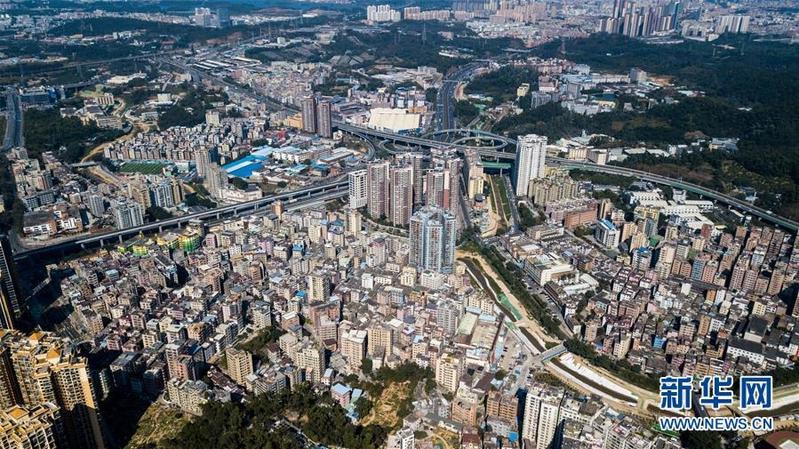
When Zhang Yubiao took the unprecedented step of making his fellow villagers shareholders of an innovative startup in 2018, he had no idea what the future would hold, but he was confident it was a move in the right direction.
Nanling village, which Zhang heads, in Shenzhen's Longgang district, is one of Shenzhen's more than 1,000 urban villages and is among the first in China to embrace venture capital. With collective rural capital, the village has invested in a dozen innovative enterprises via a fund management company it controls. Its investment in the projects, covering high-tech areas like biomedicine, advanced manufacturing, artificial intelligence, new energy and electronic information, ranged from a few million yuan to tens of millions of yuan.
"We don't want to stick to the old path of relying on property leasing to create income. We hope to explore new ways of achieving high-quality development," Zhang says. "Riding on the wave of technological innovation is a historic opportunity we can't afford to miss."
Shenzhen's rapid urbanization in the past 40-plus years since its rise from a small fishing village to a major commercial metropolis has seen the emergence of many urban villages whose residents have relied on collective land to make a living.





- Chinese researchers develop advanced air quality model for pollution simulation
- Blue tap water in Guizhou residential compound linked to internal pipe network
- Duty-free sales in Sanya boom after customs operations begin
- Xizang draws nearly 70 million tourists in 11 months
- China advances urban-rural integration
- Jiangsu probes Nanjing Museum's handling of donated relics