



Say no to Japan!









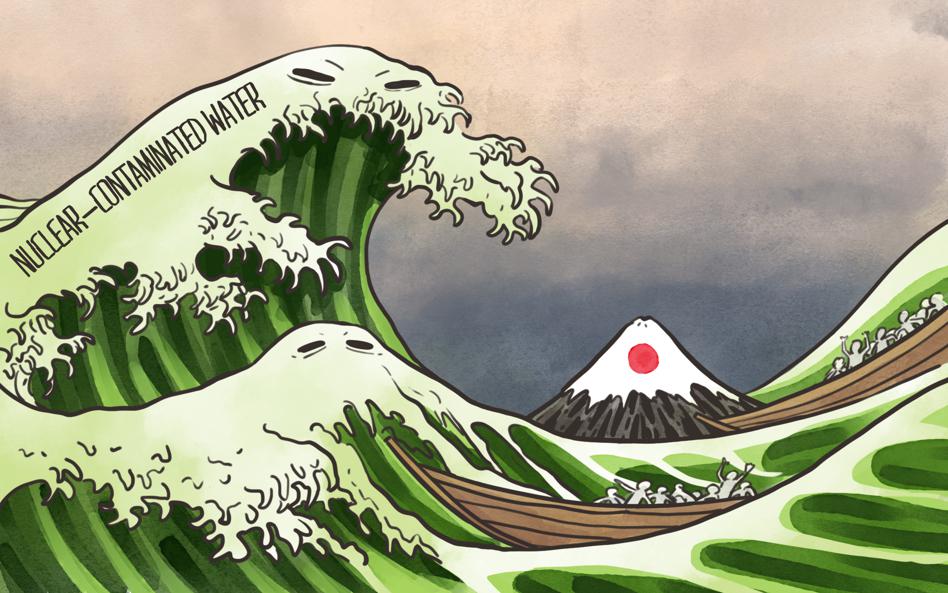
The international community has expressed grave concerns over Japan's decision to discharge contaminated water from the Fukushima nuclear disaster into the ocean. This decision, which was announced to commence on August 24, blatantly disregards international opposition, transferring nuclear pollution risks globally and prioritizes Japan's self-interest over the long-term welfare of humanity. Such an act is extremely selfish and irresponsible. China, among other nations, has shown serious concern and strong opposition, presenting formal objections to Japan.
Over the past two years, the legitimacy, legality and safety of Japan's plan to discharge Fukushima contaminated water into the sea have been continually questioned by the international community. Japan has yet to resolve major concerns regarding the long-term reliability of nuclear-contaminated water purification systems, the accuracy of nuclear-contaminated water data and the effectiveness of sea-discharge monitoring arrangements.
As many stakeholders, including China, have pointed out, if the nuclear-contaminated water is safe, there should be no need for sea discharge. Conversely, if it is not safe, sea discharge should be even more strongly opposed. Japan's push to discharge nuclear-contaminated water into the sea is unjust and unreasonable.
Regrettably, Japan chooses to ignore international outcry. It has been accused of meticulously painting a picture of safety and harmlessness related to sea discharge, even unjustly blaming neighboring countries expressing legitimate concerns. Such actions have sparked strong resentment among neighboring countries and Japanese citizens alike.
The ocean is a shared heritage of humanity and it should not be subject to Japan's unilateral decision to dump nuclear-contaminated water. China strongly urges Japan to correct its erroneous decision, revoke the plan for sea discharge of nuclear-contaminated water, communicate sincerely with neighboring countries, manage the nuclear-contaminated water responsibly and accept strict international supervision.
China, along with other nations, is prepared to take all necessary measures to protect the marine environment, ensure food safety and promote public health. The burden of nuclear contamination should not be shifted onto the shoulders of the global community. We must insist that Japan adopts responsible and transparent measures to handle the aftermath of the Fukushima disaster.
The international community's concerns and opposition are not merely about the potential radioactive contamination but also about the disregard for international consensus and the potential precedent this might set. The sea is a shared resource, and any actions that might harm it should be subject to international scrutiny and consensus.
By ignoring these concerns, Japan is not only risking potential environmental disaster but is also undermining international norms and cooperation. The decision to discharge contaminated water into the ocean could have far-reaching implications, affecting not just the immediate region, but potentially causing global damage.
Moreover, Japan's failure to adequately address international concerns about the reliability of its technology for treating contaminated water and the veracity of its data only compounds the problem. The international community has a right to demand transparency and accountability from Japan regarding this issue.
The decision of the Japanese government to discharge nuclear-contaminated water from the Fukushima incident into the sea is a concerning and controversial move. This decision not only risks the health of the global marine environment and the welfare of humanity, but also undermines international norms and cooperation. The international community should continue to voice their opposition and demand that Japan adopts a more responsible, transparent and internationally agreeable approach to handling this problem.
The author is a Beijing-based commentator. The views don't necessarily reflect those of China Daily.
If you have a specific expertise, or would like to share your thought about our stories, then send us your writings at opinion@chinadaily.com.cn, and comment@chinadaily.com.cn.





