BRI's 'harvest season' poised to reap bonanza









Hong Kong is on the frontline of seizing opportunities arising from major projects, having played a key role in linking businesses and people's hearts and minds. William Xu talks to veteran architect Nicholas Ho Lik-chi, who has been named the city's new commissioner for Belt and Road.
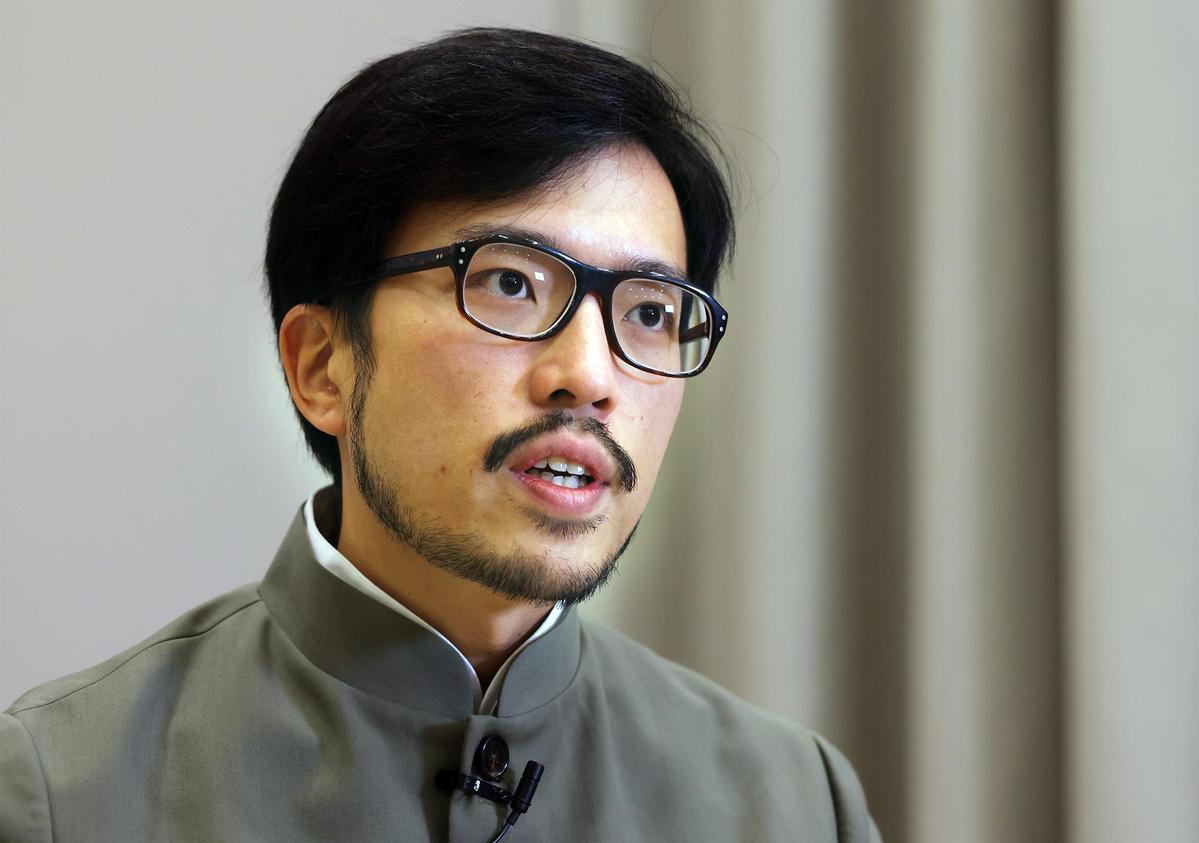
The Hong Kong Special Administrative Region is poised to reap a bonanza with the "harvest season" of the Belt and Road Initiative after a decade of development that has seen numerous mega infrastructure projects completed, and regional connectivity beefed up.
There will also be endless opportunities for businesses, said Nicholas Ho Lik-chi - the SAR's newly appointed commissioner for Belt and Road.
In a recent interview with China Daily, Ho - a veteran architect who took up his new post last month - said the connectivity formed by such projects, whether in physical or digital form, will cut the costs of doing business, inject impetus into the development of small- and medium-sized enterprises, and lift millions out of poverty.
Many projects are operational, boosting geographical links and unlocking potential in various industries in the countries and regions participating in the initiative.
"We've seen many projects entering service recently, linked up with different regions," said Ho. The development history of both Hong Kong and the Chinese mainland shows that once these projects go into operation, business opportunities abound.
He cites the opening of Southeast Asia's first high-speed rail project - the Jakarta-Bandung high-speed railway in Indonesia, a flagship joint venture between Indonesian and Chinese enterprises under the BRI. The railway, which was inaugurated on Oct 2 after seven years of construction, has cut travel time between the capital Jakarta, and Bandung - the fourth-largest city - from over three hours to 40 minutes.
BRI programs tend to be large infrastructure projects involving significant investments and taking years to complete. Instead of reaping immediate economic benefits, they need time to yield results.
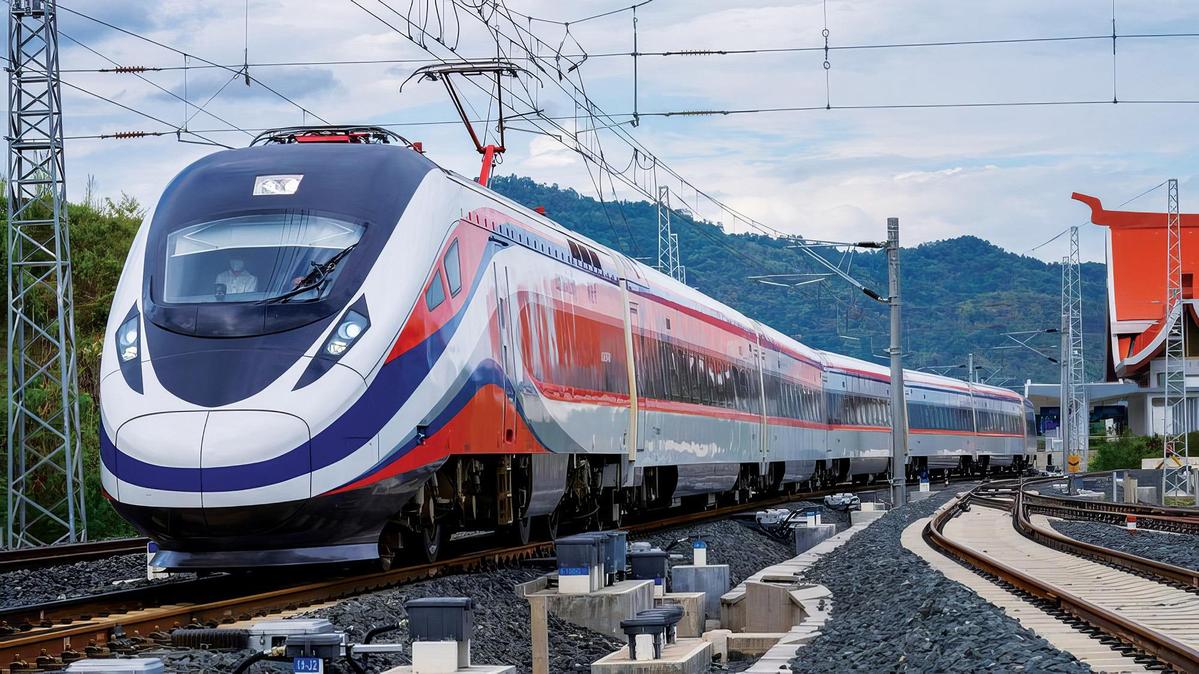
Another example is the China-Laos Railway, with bullet trains running between Kunming, the capital of Yunnan province, and the Laotian capital, Vientiane. The cross-border project, which links up with Thailand's railway network, provides strategic connectivity in creating more manufacturing, trade and tourism businesses under the BRI, said Ho.
Ho said that businesses worldwide will leverage the opportunities and platforms created in the past decade to seize opportunities in the region.
Noting there're more private companies and industrial parks coming up with the completion of key infrastructure projects, such as the Indonesian high-speed railway, Ho said they're "commercial, feasible and bankable".
Hong Kong should continue to serve BRI projects as well as the business opportunities arising from them. The SAR also needs to study how to add value to BRI projects, and one way is to promote their green transformation.
Having been involved in BRI projects for more than eight years as a successful architect, Ho notes that a trend has emerged. "Nearly all the BRI projects now offer a very strong environmental, social and governance agenda. Ten years ago, I think only five to 10 percent of those projects had a very strong green agenda."
With ESG as a standard accepted by stakeholders, Hong Kong, as a service provider, can play a pivotal role in the BRI's green transformation.
"We have a very mature, successful green finance (industry), like a green bond market. We also have very experienced green professionals, whether they're architects, engineers or surveyors, with well-recognized green standards and accreditation," said Ho. "We also have very innovative green technologies, including energy saving technologies, new materials, and decarbonization technologies."
Ho said that through intensive cooperation, the BRI will achieve stronger bonds among people living in places that join the BRI.
Decade in the making
The BRI, mooted by President Xi Jinping in 2013, has emerged as a global collaboration platform for high-quality development. From 2013 to 2022, investments worth nearly $1 trillion have been made under the initiative, which has funded more than 3,000 projects across participating countries and regions. These projects have created 420,000 jobs and lifted nearly 40 million people out of poverty, according to media reports.
Hong Kong, a world-class financial hub, has been supporting BRI projects by leveraging its own expertise.
The SAR is a member of the Asian Infrastructure Investment Bank - a multilateral development bank that shares the same visions as the BRI and has financed many projects under the initiative. Since 2017, Hong Kong's professional service providers have offered procurement services, covering auditing, consultancy, information technology and staff development, costing more than $10 million to the AIIB. In 2019, the city injected $10 million into the AIIB Project Preparation Special Fund to help developing countries and regions in infrastructure improvement and preparation works.
The SAR government has signed agreements on free trade, investment promotion, avoidance of double taxation and customs clearance facilitation with many economies engaged in the initiative.
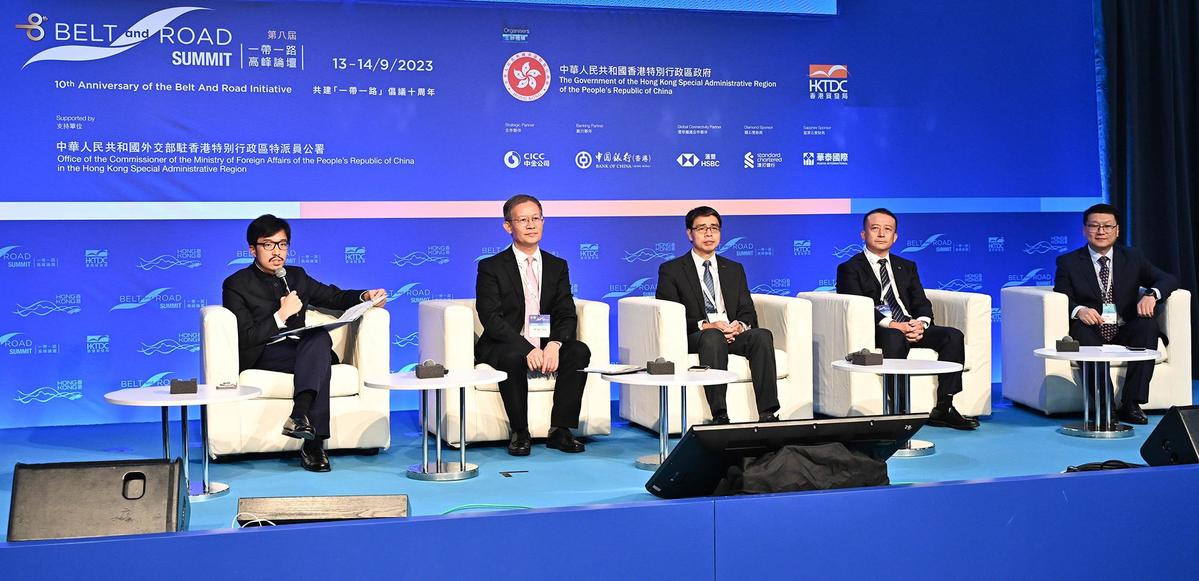
Hong Kong has hosted an annual Belt and Road summit since 2016, bringing together government officials, representatives of international organizations and business leaders to explore business opportunities arising from the BRI.
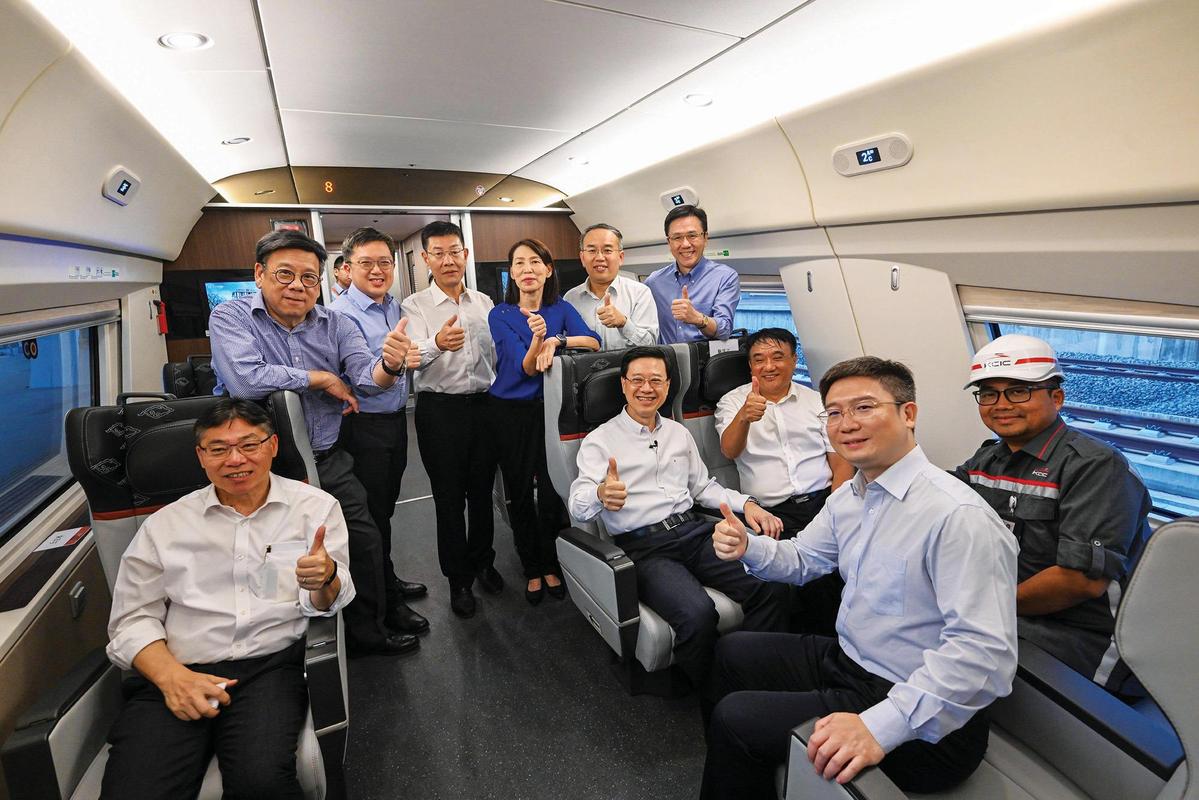
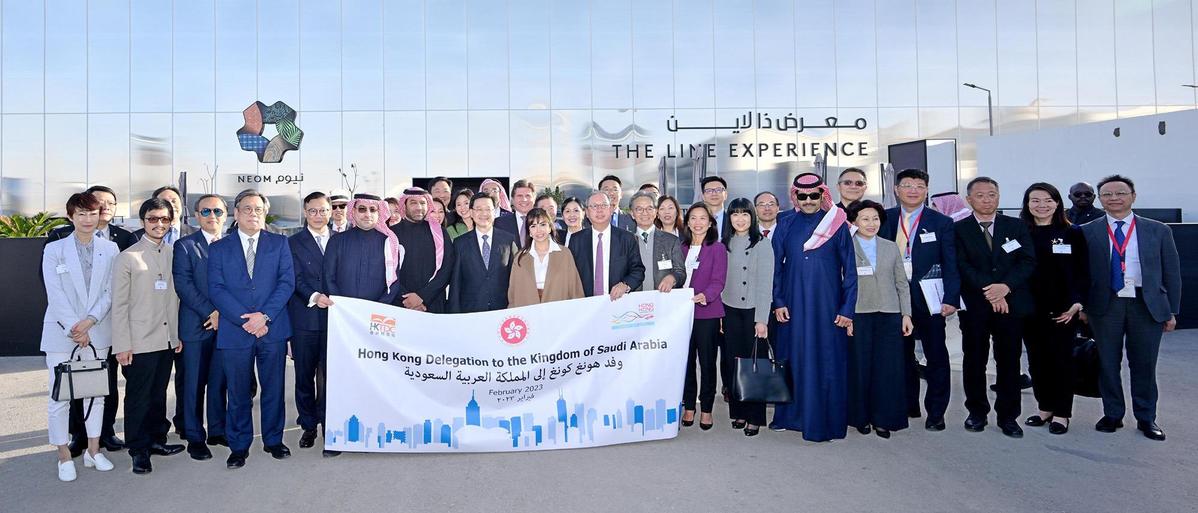
In February, Chief Executive John Lee Ka-chiu led a high-profile Hong Kong delegation, comprising key officials and business leaders from various industries, to the Middle East. Ho, who was working for an architectural consultancy firm founded by his father, Bosco Ho, in 1980, was among the business elites in the delegation. The trip led to the signing of 13 memorandums of understanding or letters of intent with governments and business partners in innovation and technology, business, professional services and logistics sectors.
Lee made another high-profile trip to Southeast Asia in July, covering Singapore, Malaysia and Indonesia. A total of 33 memorandums of understanding and letters of intent were signed, spanning business, investment, academic research and cultural exchanges.
Lee's trips conveyed the message that Hong Kong is back on the track of economic recovery following the COVID-19 pandemic, and is ready to offer its services, said Ho. Many of the foreign companies were amazed by Hong Kong's advancement in green ecosystem and technologies.
Having made a good start, the SAR government should invite the local private sector to reach out to overseas companies and reveal the city's prowess in providing green, sustainable solutions. Private enterprises have responded. In mid-June, veteran businessman and lawmaker Jeffrey Lam Kin-fung led a delegation to the United Arab Emirates. Members of the delegation signed about 30 memorandums of understanding with partners of local companies in areas like smart logistics and clean energy.
A team from the Chinese General Chamber of Commerce, Hong Kong, toured Europe last month, briefing entrepreneurs in Belgium, the United Kingdom and France on the latest business opportunities in Asia.
"I think a lot of Hong Kong professional service providers, especially the young generation, are trying to explore opportunities under the BRI, especially since Lee's visits to the Middle East and the ASEAN member states," said Ho. "Many of them have approached us and other public bodies to learn how to succeed in those economies."
"With international borders now fully open, we're committed to traveling abroad to share with our friends and partners about developments in Hong Kong and how Hong Kong can add value to BRI projects," he said. Ho hopes the SAR will continue to be a pivotal hub connecting business opportunities as well as people's hearts and minds.
In the 2016-17 academic year, Hong Kong launched the Belt and Road Scholarship for students from other economies engaged in the BRI. The scholarship was expanded to all participating countries and regions in the 2019-20 academic year. As of late 2022, scholarships worth $81.3 million had been awarded to 333 students from 36 countries and regions.
There's also various exchange programs to help young people from Hong Kong and BRI countries and regions gain a better understanding of each other's education systems and cultures.
In Ho's view, another essential role for the SAR is to serve as a bridge between the Guangdong-Hong Kong-Macao Greater Bay Area and other BRI countries and regions. Hong Kong, as part of the Greater Bay Area, is a springboard for GBA companies seeking opportunities in the BRI's vast markets, which involve more than 150 countries and regions.
Under the "one country, two systems" principle, an international company, or a small- and medium-sized enterprise can easily set up operations in Hong Kong, Ho notes.
Besides banking on Hong Kong's robust financial market and professional services, they can make full use of the opportunities in other parts of the GBA. With the "one-hour living circle" in the GBA, foreign businesspeople based in Hong Kong can travel to other cities in the region once or twice a week.
Ho said he believes such an arrangement has become very attractive to many international companies aiming to tap into the Hong Kong and mainland markets.
DNA of adventuring
Before taking up the Belt and Road commissioner's job, Ho's career, as a young and later seasoned architect, became closely intertwined with the BRI. He had taken part in many projects in Singapore, Thailand and the UAE for eight years.
"I've always been interested in sort of working with different cultures, countries and regions. I think that international DNA is ingrained in Hong Kong people because Hong Kong is such a small city. We're definitely punching above our weight all the time because we have an urge to connect with the global market, as well as our regional neighbors."
The belief has been held by Ho and his father, who was among the first Hong Kong architects to travel to the mainland seeking business opportunities.
In his new post, Ho hopes to share his frontline experiences - from failures, as much as successes he had enjoyed in BRI projects - with more Hong Kong people. One of his responsibilities is to share the good and the bad with those who would like to start a business in those economies. "It's very important for them to understand the upsides and downsides as there're different markets with different risk profiles and profits."
The formula for success is always to locate your own unique values, and make sure they are applied to the right market. Ho believes that exchanging views with friends, partners and stakeholders often can be vital.
"They will always help protect your downside risks because it's all about partnership and collaboration. Last, but not least, don't put all your eggs in one basket."
Career highlights
? Hong Kong registered architect
? Commissioner for Belt and Road of the HKSAR government
? Former Chairman of the Ho & Partners Architects Engineers & Development Consultants Limited (hpa)
? Former Hong Kong, China's representative to the Asia-Pacific Economic Cooperation (APEC) Business Advisory Council
Qualifications
? Architectural Diploma, Architectural Association, UK
? Bachelor of Arts Degree in Architecture, University of Greenwich, UK
Awards
? 2021 — Construction Industry Outstanding Young Person Award
? 2017 — Directors of the Year Awards
Achievements
Ho had led a number of Belt and Road related projects involving smart cities development and green buildings construction. He had also partnered with different stakeholder groups in promoting the Belt and Road Initiative through participation in seminars and mission trips, etc.



- China moves to set national standards for pre-made dishes
- Chinese company unveils plans for commercial space flights
- Latest addition to Shiziyang Bridge constructions brings main tower above 300 meters
- Hebei's 'ancient pressure cooker' setting internet ablaze
- Major urban renovation restores Xi'an's ancient moat
- China launches nationwide employment assistance program