



Integration inevitably promotes reunification









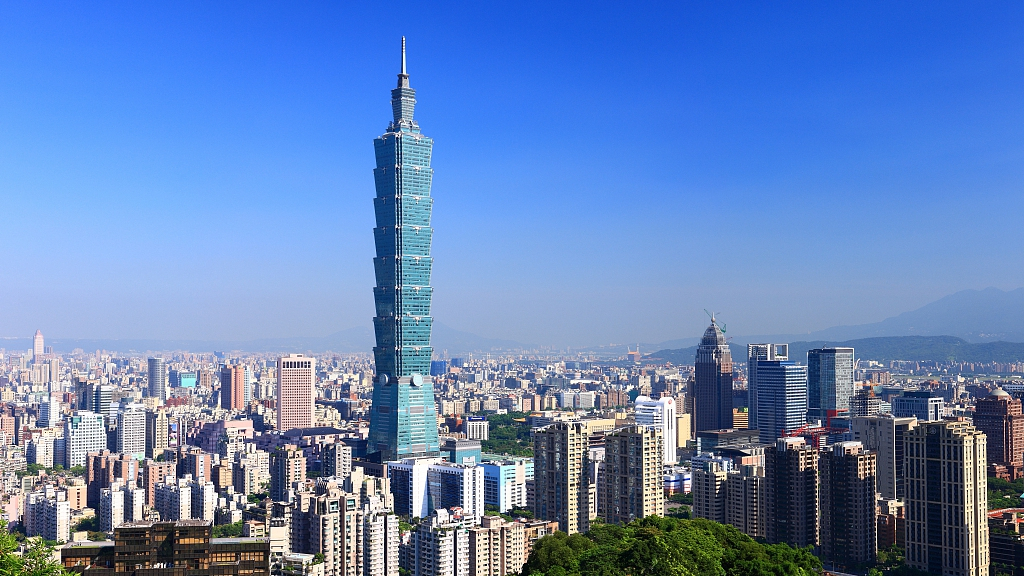
A set of entry-exit policies for Taiwan compatriots have been introduced to deepen integrated cross-Strait development, including boosting personnel exchanges between Fujian province and Taiwan, and facilitating Taiwan compatriots' residence and daily life in Fujian.
The 10 specific measures issued by the exit and entry administration of China's Ministry of Public Security will come into effect on Jan 1, 2024.
In September, the Chinese mainland introduced a document, supporting Fujian province to explore a new path for cross-Strait integration, and building a demonstration zone for the purpose. The document outlines a new policy to achieve integration through connectivity, mutual benefit, emotional bond and development across various sectors to realize national reunification.
The policy underscores the mainland's unwavering commitment to placing people at the center of national reunification and highlights the fundamental differences between the mainland and the Democratic Progressive Party authorities on how to resolve the Taiwan question.
First, Beijing has consistently emphasized the importance of the people-centered development approach in handling the Taiwan question and treating Taiwan compatriots with the same care and attention as mainland residents, in order to improve the well-being of Taiwan residents. This has been the consistent stance of Beijing when it comes to the Chinese people, including those in Taiwan.
Beijing pursues national reunification for the betterment of the Chinese people, both on the mainland and the island, and takes into consideration the legitimate interests and rights of the people in the reunification process. The new policy is explicitly aimed at providing a familiar and welcoming investment environment for Taiwan compatriots in Fujian.
In contrast, the DPP authorities prioritize elections, holding on to power, and safeguarding the interests of their party and individual politicians. This has led to a lackadaisical approach to governance, contributing to the frequent waves of opposition against the DPP on the island.
Second, Beijing's policy underscores the fundamental differences in the core strategies of the mainland and the DPP authorities for resolving the Taiwan question. The new policy shows the mainland continues to uphold integrated development to advance the national reunification process. In fact, the most significant aspect of the new policy is the emphasis on "integration" as a goal, with 21 specific measures outlined in six key areas to promote greater connectivity and integration between Fujian and Taiwan.
This shows the mainland is committed to respecting, caring for and benefiting Taiwan compatriots. Beijing offers goodwill and policy benefits to Taiwan compatriots so they can participate in the reunification process, and gain a sense of happiness and security.
On the other hand, the DPP authorities have consistently manipulated cross-Strait political divisions trying to create a political atmosphere favorable to their own interests. They have procured weapons from the United States and deepened their reliance "on the US to resist the mainland" and seek "independence through force". Their primary political goal is to generate hostility and garner votes, even at the cost of sacrificing the interests of Taiwan residents and cultivating and manipulating extremist forces to confront the mainland and foster hatred between the two sides of the Strait.
And third, Beijing's policy underscores the fundamental differences between the strategic framework and historical responsibility of the mainland and the DPP authorities in resolving the Taiwan question.
The new policy indicates that the mainland sees national reunification, national governance and national development as integral to the process of realizing the rejuvenation of the Chinese nation. Despite the vast disparity in absolute strength between the mainland and Taiwan, the mainland continues to seek the best resolution to the Taiwan question, that is, to progress, step by step, toward peaceful reunification.
The fact that the new policy supports Fujian province to build a cross-Strait integrated development demonstration zone is unprecedented and represents a historic breakthrough. It reflects the central government's acknowledgment of Fujian's pioneering efforts and demonstrates its confidence in seeking more policy support to take forward the national reunification process and help create a future of coexistence and prosperity.
Yet the DPP authorities are not ready to abandon their narrow mindset, driven primarily by the question of whether they can remain in power. They are willing to sacrifice national and local interests in exchange for the support of external forces, and their actions are both pitiful and shameful.
Regardless of how the situation in the Taiwan Strait has evolved and how the international landscape has changed, the CPC and the central government's concern for Taiwan compatriots has never wavered. That's why the mainland aims to resolve the Taiwan question through peaceful means, through development and integration.
Taiwan residents can see the stark differences between the policies of the mainland and the DPP authorities, and sense the mainland's genuine concern for Taiwan compatriots. With the comprehensive implementation of the new policy, the basic strategy for resolving the Taiwan question in the new era will inevitably be realized.
The author is a professor at the Institute of Taiwan Studies, Beijing Union University.
The views don't necessarily represent those of China Daily.
If you have a specific expertise, or would like to share your thought about our stories, then send us your writings at opinion@chinadaily.com.cn or comment@chinadaily.com.cn.





