Global agencies urge urgent action to address antimicrobial resistance in Africa









HARARE - Global agencies on Monday stressed the growing urgency for Africa to scale up efforts to combat antimicrobial resistance (AMR), amid its significant implications for global health and food security.
Being the hardest hit by AMR, Africa needs political will across the continent to marshal resources towards an AMR fight that would leave no part of the continent behind, a senior UN official said.
"As we observe World AMR Awareness Week (WAAW) 2023, the United Nations, in collaboration with the African Union and the Republic of Zimbabwe, calls for enhanced political advocacy to highlight the severity of the growing AMR threat across the continent," said UN Resident Coordinator in Zimbabwe, Edward Kallon, in a speech read on his behalf at an event commemorating the WAAW that runs on Nov. 18-24 in Harare, the capital of Zimbabwe.
The World Health Organization (WHO) has already identified AMR as one of the top 10 global public health threats facing humanity, and the theme for this year's event: "Preventing Antimicrobial Resistance Together" underscores the need for urgent multi-sectoral action under the One Health Approach to safeguard the effectiveness of antimicrobial medicines, he said.
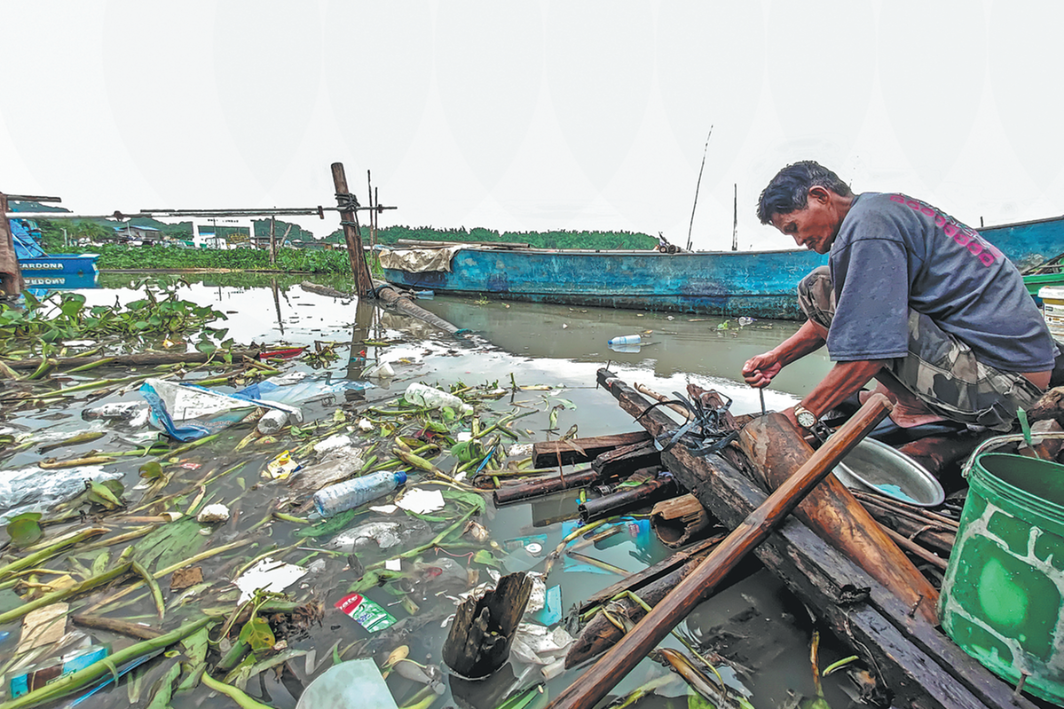
Unregulated and inappropriate use of antimicrobials across various sectors, including human, animal, and plant use, as well as inadequate access to clean water, lack of sanitation, and insufficient infection prevention and control measures are major drivers in the development of drug-resistant pathogens in Africa, Kallon said.
"These factors not only jeopardize health but also endanger several key sustainable development goals related to health, agriculture, animals, the environment, and food security," he said.
In Africa, AMR has become a silent pandemic and already been documented to be a bigger problem than HIV, Malaria and TB combined. By 2050, millions of people could be affected, said Director General of Africa Center for Disease Control and Prevention (Africa CDC) Jean Kaseya.
"We therefore require a very strong, coordinated, multi-sectoral and multi-disciplinary approach to tackle this growing problem," he said.
African Union Inter-African Bureau for Animal Resources (AU IBAR) director, Huyam Salih, called for collaborative efforts and equitable financing to tackle AMR on the African continent.
"It is imperative that we prioritize equitable financing for AMR-related activities to ensure that no country is left behind. The fight against AMR should be a collective effort with resources allocated equitably. We should redouble our efforts that emphasize preventive measures and the importance of practices aimed at reducing reliance on antimicrobials," she said.
Lindiwe Makubalo, the assistant regional director at WHO, said compared to other regions, Sub-Saharan Africa has the highest AMR-associated deaths at 99 deaths per 100,000 people, with drug resistance to commonly used HIV medicines also being detected in almost 60 percent of cases on the continent.
The WHO Regional Office for Africa was making steady progress to capacitate member countries to fight AMR, including assisting 46 member states to develop AMR national action plans and surveillance capacity building, among other initiatives, Makubalo said.
She added that the fight against AMR was being hampered by several challenges, including weak one-health governance and multi-sectoral coordination in member countries, weak health care systems, unavailability of AMR representative data in over 40 percent of African countries and a lack of sustainable domestic financing for AMR national action plans implementation.
Disjointed systems for supply and distribution of medicines and poor enforcement of regulatory frameworks related to the use and sale of antimicrobial medicines were the other challenges.
She said despite the challenges, the continent must maintain its resolve to fight AMR through enhanced collaborations, development of alternatives to antimicrobial use including the use of vaccines for infectious vaccine-preventable diseases and reinforcing surveillance systems to monitor resistance patterns, enhance regulatory frameworks, and promote education and awareness campaigns to empower individuals with the knowledge needed to take action.
Food and Agriculture Organization of the United Nations (FAO) Assistant Director-General and Regional Representative for Africa, Abebe Haile-Gabriel, said the FAO was supporting national and regional initiatives in Africa to address AMR, focusing on its vision to reduce AMR levels and slow the emergence and spread of resistance across food production and value chains and for all food and agriculture sectors.
The World Organization for Animal Health (WOAH) regional representative for Africa, Karim Tounkara, said Africa needs to take urgent action against AMR as it may soon become one of the biggest causes of mortality in humans and animals.
Zimbabwe's Minister of Agriculture, Lands and Rural Resettlement, Anxious Masuka said Zimbabwe has been actively engaged in fighting AMR since 2017 and will continue promoting responsible antibiotic use in agriculture, strengthen surveillance systems to monitor AMR in animals, and encourage the adoption of sustainable farming practices that reduce the need for antibiotics.
"Together with our partners in the health and environmental sectors, we will strive to create a future where antibiotics remain effective tools in treating diseases, both in humans and animals," Masuka said.
Zimbabwe's Health and Child Care Minister, Douglas Mombeshora, called for united efforts to address the problem. "We must not forget that the antimicrobial resistance response requires a whole of society approach, hence all of us are called upon to play our part in the prevention and control of antimicrobial resistance," he said.
The WAAW, an annual global event organized by the FAO, the United Nations Environment Program, the WHO and the World Organization for Animal Health, aims to enhance awareness and understanding of the challenges posed by AMR, while striving to promote best practices in antimicrobial stewardship across public health, animal health, and the environment.