Benefits of science cooperation clear to all: China Daily editorial









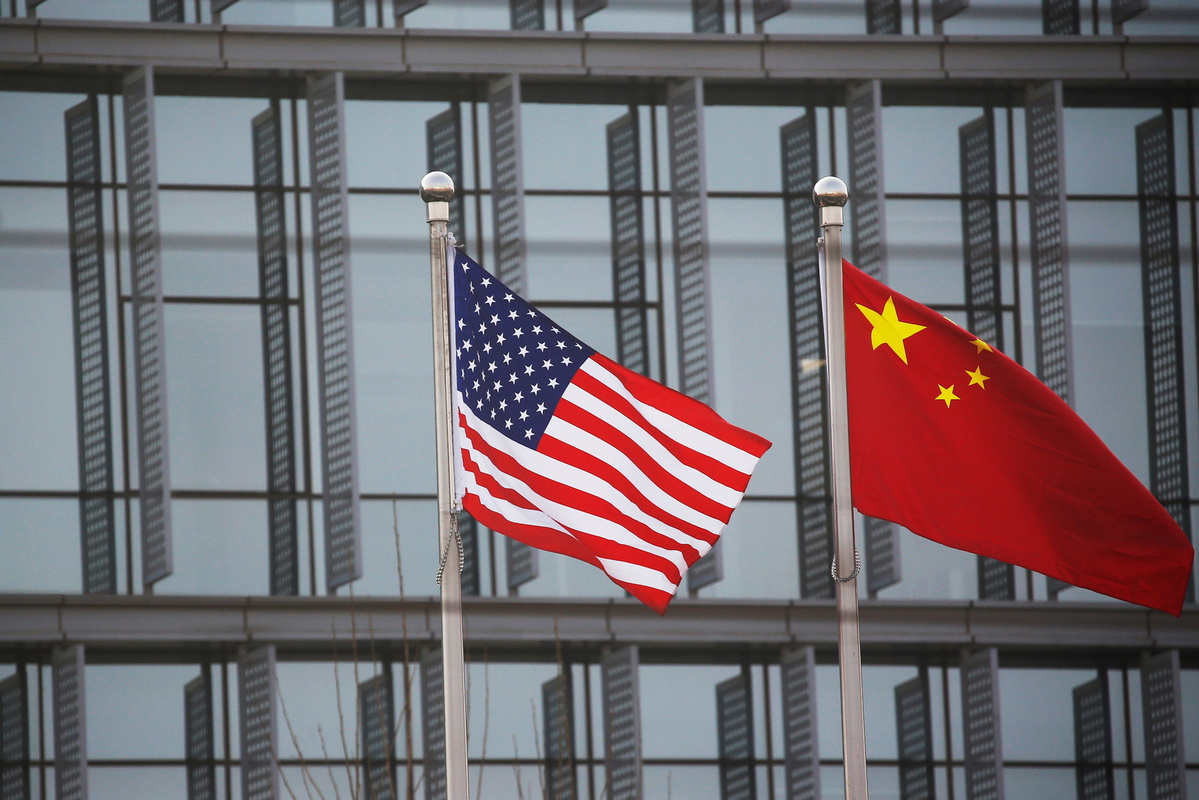
The China-US Science and Technology Cooperation Agreement is an umbrella agreement that governs US government science and technology work with China and is part of a broader science and technology ecosystem of universities, companies, professional bodies and nongovernmental organizations.
The objective of the STA is to provide opportunities for cooperation in areas of mutual interest, "on the basis of equality, reciprocity, and mutual benefit". The types of activities it covers include exchanges of scientists, scholars, specialists and students as well as scientific, scholarly and technological information; joint projects, research and courses; and conferences and symposia.
Signed by Chinese leader Deng Xiaoping and US President Jimmy Carter on Jan 31, 1979, the STA was the first major agreement between the two governments after the establishment of diplomatic relations between the two countries. The agreement has subsequently been at the core of the productive relationship, and indeed has served both countries well.
As perceptions of the relationship have evolved, however, especially with the US increasingly considering China as a strategic rival and primary threat, Washington appears to have become disenchanted with and suspicious of the agreement. Critics of the STA have called for it to be scrapped. They claim the agreement helps Beijing strengthen the military, which in turn undermines US national security. Proponents argue the STA has benefited the US greatly and killing it would inevitably hurt US scientific enterprises and research.
Dithering over the decision whether to extend the agreement or not, with the STA set to lapse on Aug 27, the Joe Biden administration took a provisional step — extending the STA while it determines how to proceed. But with a little more than two months of that temporary reprieve remaining, the policy circle seems just as divided as ever.
If the administration puts aside the ideologically tinted glasses that those who perceive the STA as being part of the "China threat" ubiquitously wear, it would recognize what it has done for the two countries and scientific advancement. In doing so, its practical significance should be evident.
The US State Department has outlined the merits of STAs with other countries saying they "strengthen international cooperation in scientific areas aligned with American interests, ensure open data practices, promote reciprocity, extend US norms and principles, and protect American intellectual property". That also applies to the STA with China.
The US scientific community is fully aware such cooperation, ranging from climate to public health concerns, has been instrumental to US scientific pursuits, and it is groundless to claim it unilaterally serves China. There are strict regulatory clauses in place that address such concerns as trade secrets and intellectual property, and all terms are mutually agreed.
Interestingly, while the witch-hunting against "Chinese spying" that started during the Donald Trump presidency ended up fruitless, bilateral collaborations have led to significant advances including in influenza surveillance and vaccine development.
Killing the STA with China may ease some US politicians' fears of China's tech progress. But beyond that, it would represent a net loss for the US and the global scientific community.