The rise of EVs a reality in Hainan, and rest of the country









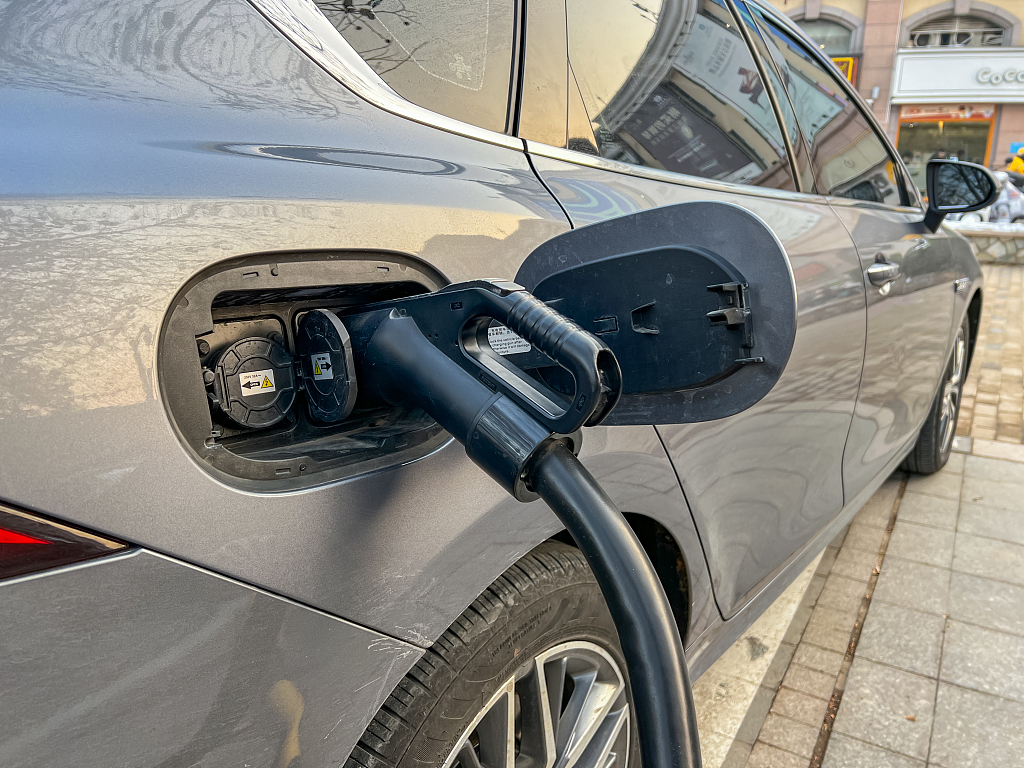
I have been spending the winter in Hainan since my retirement a few years ago to escape the freezing cold and air pollution of Beijing. In the tropical South China island province, I have noticed an increasingly large number of cars with green license plates, indicating they are electric cars.
With nothing better to do, I have gotten into the habit of counting passing-by vehicles. I am pleasantly surprised to say that about half of them are electric vehicles. I know that the government has been promoting the sale of new energy vehicles, that more than a dozen domestic EV manufacturers are doing well, and that more and more people are buying EVs. But despite seeing the increase in the number of EVs in Hainan, I'm surprised by the drastic increase in the popularity of EVs.
Further research told me that, despite the remarkable increase in EVs in Hainan, the situation in the country is different. By the end of September 2023, there were 430 million motor vehicles in China, with 330 million of them being private cars. Among them, only 18.2 million were EVs, meaning just about 5.5 percent of the total were EVs.
Yet one thing is certain. The rising popularity of EVs seems irreversible. Statistics show that last year, of the 14.6 million domestic brand cars sold in China — the country produced and sold nearly 30 million cars last year — 9.5 million were EVs, up 38 percent year-on-year. Given the increase in both manufacturing and sale of EVs, it is safe to say that the sale of EVs will see a massive jump in a few years.
Also, I didn't commit a mistake in counting the EVs in Hainan. The local authorities disclosed that by the end of last October, EVs made up 13.87 percent of the total number of cars on the island province — nearly three times more than the national average.
The island province now has 270,000 EVs with one-third of them being registered last year alone. Of every two cars sold in 2023, one was an EV. Hainan plans to increase the number of EVs to 500,000 before the end of next year and stop the sale of gasoline-powered cars by 2030.
The Hainan provincial government's adherence to environment-friendly norms and supportive policies are Hainan's secrets to making the island the national leader in promoting EVs.
The smallest province in China with a population of less than 10 million, Hainan has made tourism its pillar industry but has strict environmental protection rules, as it does not want to damage the island's beautiful environment and clean air. Welcoming EVs with open arms, Hainan was among the first provinces to require all public service vehicles to be EVs. It offered favorable policies to encourage investors to build charging stations — there is one charging pile for every 2.5 electric cars on the island.
While the above two measures could easily be copied by other regions, it's the third measure that is unique to Hainan. The island is the only province to have no tolls on its highways. The road toll is collected not through toll stations but by selling gasoline at a higher price. In Hainan, one has to pay about 13 percent more for a liter of gasoline than in the rest of the mainland. This has made EVs a natural choice for Hainan residents who want to have a car and yet save fuel costs.
I later realized the reason I counted so many cars with green plates. It was because all the taxis and online ride-hailing cabs are powered by electricity. Many gasoline-powered car owners probably have parked their cars in garages and use them only when absolutely necessary because of economic reasons.
Hainan's successful promotion of EVs has set a good example for the country. With each locality implementing preferential supporting policies and taking measures that suit their respective conditions, my guess is that the day is not far when green plates would rule the roads in China.
The author is former deputy editor-in-chief of China Daily.
If you have a specific expertise, or would like to share your thought about our stories, then send us your writings at opinion@chinadaily.com.cn, and comment@chinadaily.com.cn.