Archaeologists rebuild face of ancient ruler









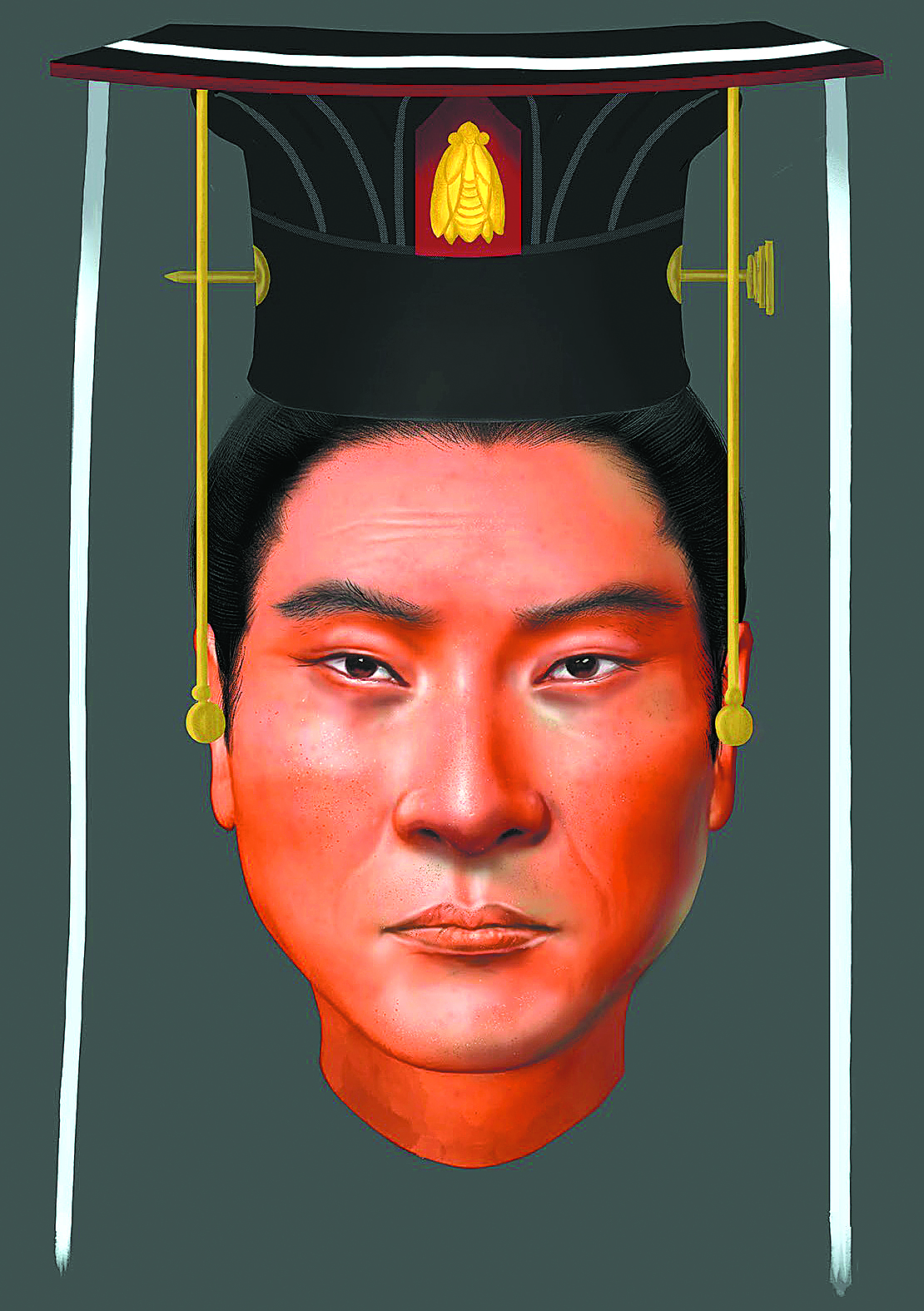
With DNA collected from his bones, researchers have reconstructed the face of an ancient emperor who ruled northern China more than 1,400 years ago.
Researchers from Fudan University's Institute for Archaeological Science and the Shaanxi Provincial Institute of Archaeology recently unveiled the reconstructed image of Yuwen Yong, or Emperor Wu of the Northern Zhou Dynasty (557-581).
A trace element analysis in the emperor's remains indicates he may have died of chronic arsenic poisoning. And genetic analysis further implies the ancestors of the emperor of the Xianbei ethnic group may have come from regions including northeastern Asia and the Yellow River Basin.
The digital recreation of Emperor Wu's appearance shows that he had black hair, yellow skin and brown eyes, matching the typical East Asian appearance rather than the stereotypical image of blonde hair and prominent facial features associated with the Xianbei people.
The image also differs from the depiction of the emperor by Yan Liben, a Tang Dynasty (618-907) royal painter, who portrayed him as plump and round-faced.
The greatest challenge in reconstructing ancient emperors' faces lies in obtaining their complete skulls and high-quality genome data.
In 1993, Emperor Wu's tomb was discovered in Chenma village in Xianyang, Shaanxi province.
From 1994 to 1995, archaeologists carried out a thorough excavation of the tomb and discovered the almost intact skull of the emperor and some of his bones.
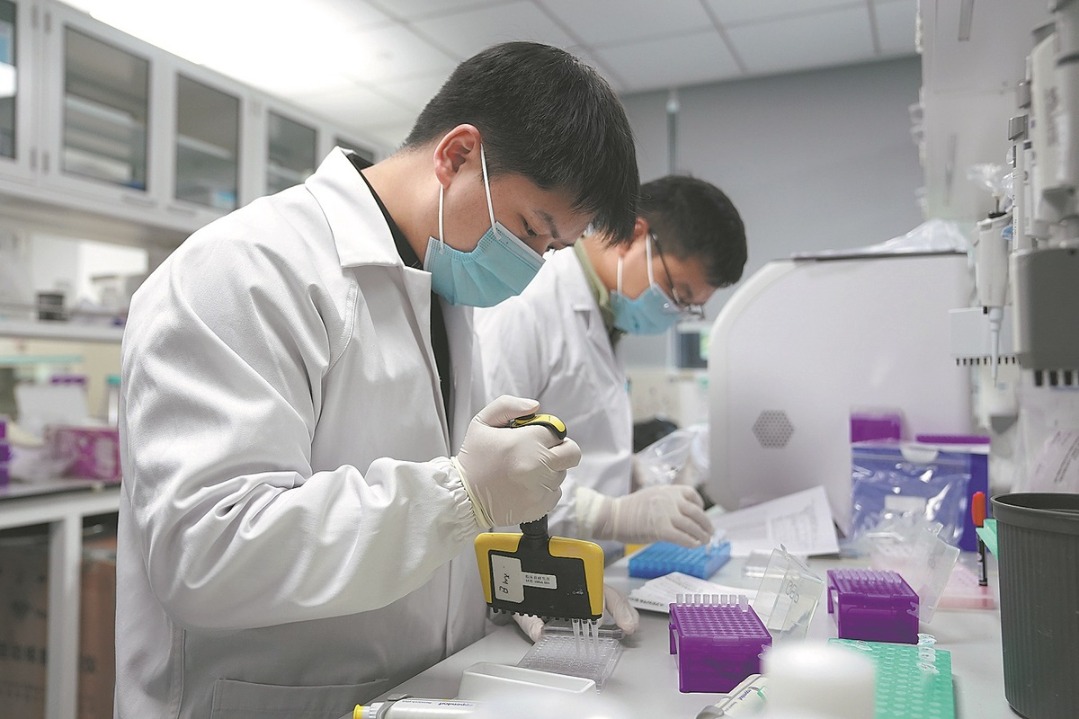
Using advanced DNA technologies, a research team led by Wen Shaoqing from Fudan University extracted around 1 million gene loci from the emperor's bones. This data allowed them to reconstruct key physical traits such as his hair, skin and eye color.
In addition to re-creating the emperor's appearance, genetic analysis also revealed insights into his family origins, shedding light on the origins of the Xianbei people.
The team found that an estimated 60 percent of Emperor Wu's ancestry originated from Northeast Asian populations that inhabited the Heilong River Basin in ancient times.
However, another 30 percent of his ancestry originated from agricultural populations in the Yellow River Basin. His family tree suggests that his grandmother may have been a member of the Han ethnic group.
"Emperor Wu's one-third Yellow River ancestry is likely the result of long-term intermarriage between Xianbei royalty and Han nobles," Wen said.
Historical records indicate that Wu (543-578), the third of the five emperors of the Northern Zhou Dynasty, had ambitious plans to conquer the Turks in the north and unify southern China. However, he died at age 36, and his cause of death has been a subject of speculation.
A joint study by Fudan University, Xiamen University and the Shaanxi Provincial Institute of Archaeology analyzed 33 trace elements in Emperor Wu's remains and found that the levels of arsenic, boron and antimony were significantly higher than the average levels found in contemporary civilians and nobles.
"The metabolic rates of different bone parts vary, and since the samples were all collected from the emperor's femur, it suggests that these elements accumulated in his bones over a long period of time through his diet," explained the research team. "If it were acute poisoning, arsenic would have been concentrated in the abdomen."
Historical accounts of Emperor Wu's symptoms at the time of his illness are also consistent with the symptoms of chronic arsenic poisoning. During the historical period when Emperor Wu lived, consuming Taoist elixirs was a popular spiritual pursuit and lifestyle among the social elite, who believed it would grant them longevity.
These elixirs were typically inorganic compounds in various crystalline forms produced by heating and refining minerals.


- Top Chinese mainland, Hong Kong finance education institutions ink partnership to deepen ties
- Lantern Festival lights bring the Dunhuang grottoes to life
- China's 2026 Spring Festival travel rush to begin
- Knocking on the stone-framed door
- Shanghai Science and Technology Museum to reopen soon
- Shanghai celebrates Spring Festival with intl students