



China, Latin America entitled to forge close space cooperation









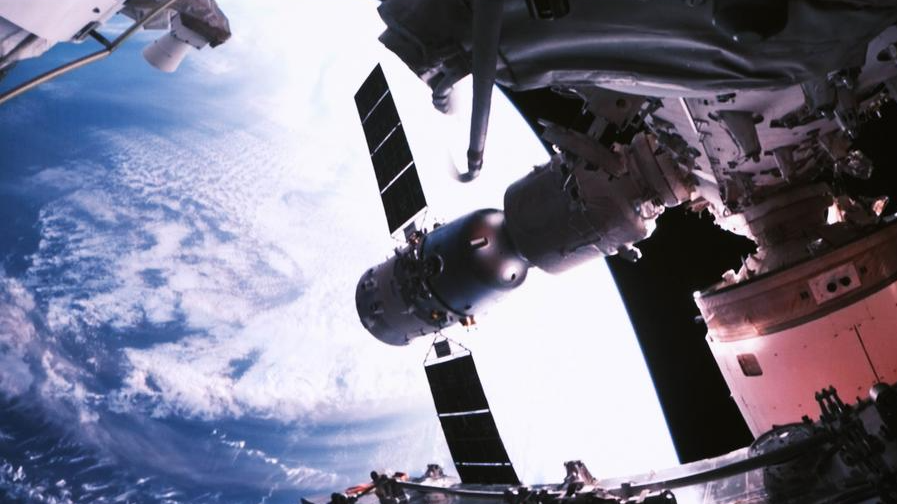
Considering the unfathomable expanse of the universe, Earth, the only cosmic body we can call home, appears like a speck on a vast ocean. Yet in the cosmic expanse, a realm of boundless possibilities and uncertainties, lies the future of humankind. From the humble beginnings of human flight in a hot air balloon in 1783 to the monumental achievement of landing on the moon in 1969, our journey into space has been marked by remarkable achievements. Yet, given the grandeur of the cosmos, our accomplishments may seem modest.
Space technology offers a plethora of promising avenues for exploration and discovery. In space, we can unlock the mysteries of biology and life. We can explore space to make breakthroughs in medicines, cultivate more productive and resilient crops, and develop superior materials. The prospect of exploring distant planets and future migration paths of humans beckons us with tantalizing possibilities.
Unfortunately, access to these promising prospects is limited to only a few countries. There is significant imbalance among countries when it comes to space technology. While some countries possess advanced space capabilities, others lack even the basic communication satellites, and are thus deprived of the benefits of space technology.
China, as a developing country, has made significant strides in space technology, and prioritizes cooperation with other developing countries to ensure equitable access to space resources.
In recent years, China’s cooperation with Latin American countries in space technology has expanded. China’s collaboration with Venezuela on a future lunar exploration station project, including the possibility of sending Venezuelan astronauts to China’s space station, exemplifies this trend. China’s commitment to equitable and mutually beneficial global cooperation ensures that the participating countries can synchronize their access to space technology, expand the frontiers of human knowledge and leverage China’s experience in space research to develop their agriculture, industry and healthcare sectors, and boost their economy.
China’s involvement in Latin American countries’ space endeavors goes beyond mere provisions for satellites, because it has been participating in the construction of satellite ground control facilities, training technical personnel, and helping enhance their satellite manufacturing capabilities. This collaborative approach has not only facilitated the sustainable development of space applications in Latin America but also enabled China to use satellite tracking and communications facilities in the region to support its own space program, including deep space exploration.
But China’s deepening space technology cooperation with Latin American countries has made some countries, particularly Western countries, uncomfortable, with some of them saying China’s involvement could destabilize the existing space exploration order and undermine the strategic interests of other space-faring nations. By saying so, however, they reveal their refusal to accept Latin American countries’ desire to develop space technology and their willingness to engage in mutually beneficial cooperation with China.
The establishment of the Latin American and Caribbean Space Agency in Mexico in 2021 is testament to the region’s commitment to space exploration and development. However, China’s collaboration with Latin American countries in space technology predates the establishment of the agency; it began in the late 1980s.
Over the years, China has launched satellites for several Latin American countries, including Brazil, providing vital support for their communication and resource survey efforts. It has also established space technology cooperation with countries such as Venezuela, Bolivia, Chile and Argentina. Such collaboration has not only bolstered Latin American countries’ space capability but also fostered economic development and technological advancement in the region.
In the broader context, space technology cooperation represents a fundamental shift in the way we approach the exploration and exploitation of outer space. Instead of viewing space as a geopolitical battleground, we should embrace it as a platform promoting global collaboration and scientific discovery. By working together, countries can leverage their respective strengths and resources to address common challenges and realize the full potential of space exploration for the benefit of all humanity.
China’s increasing role in space technology cooperation with Latin American countries holds great promise for the future of space exploration and development. By boosting collaboration and sharing resources, China and Latin American countries together can boost their space capabilities and help achieve the broader goals of scientific exploration and technological innovation.
The future of human civilization does not depend on individual countries’ ability to set foot on celestial bodies, but rather on how much space technology can benefit humanity. As we journey into the cosmos, let us embrace the spirit of cooperation and partnership, and recognize that our collective future lies among the stars.
The author is an aerospace expert at Beihang University.
The views don’t necessarily reflect those of China Daily.





