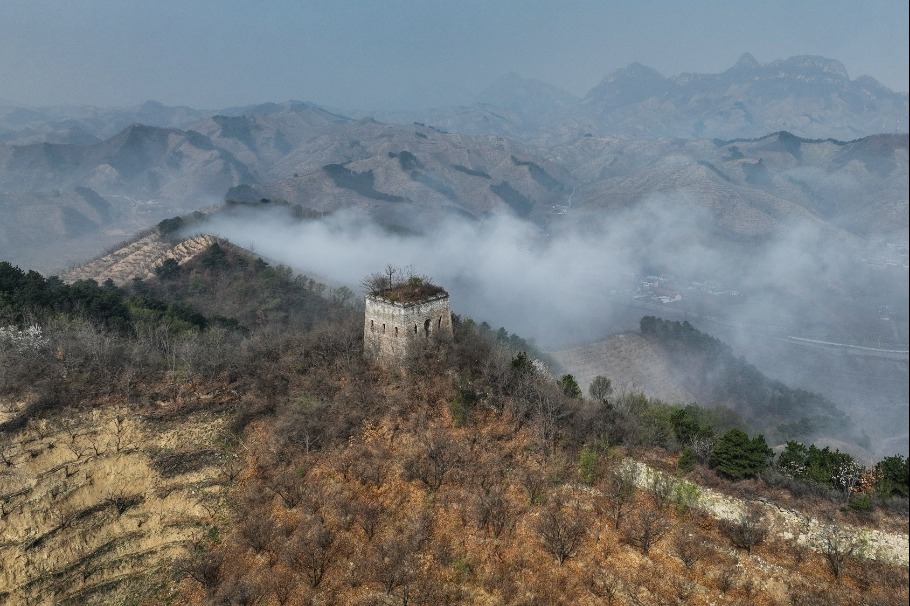
The Neolithic defensive moats of settlements are the prototype of the Great Wall, which can be seen in sites such as Xinglongwa Site and Banpo Site.
Approximately 3,000 years ago, a comprehensive defense system centered around the palaces within the city was established. This system utilized the city walls as its primary defense, with the city gates serving as major strategic points. Armed with military forces and various defense structures, it effectively safeguarded the city from potential threats.
Spring and Autumn Period (770-476 BC): The Great Wall sections built by the states of Chu and Qi are representative of the Great Wall during the early Spring and Autumn Period. These walls were primarily utilized for the defense of vassal states.
The states of Yan, Zhao and Qin constructed the Great Wall in the north to defend against nomadic invasions from the north and west.
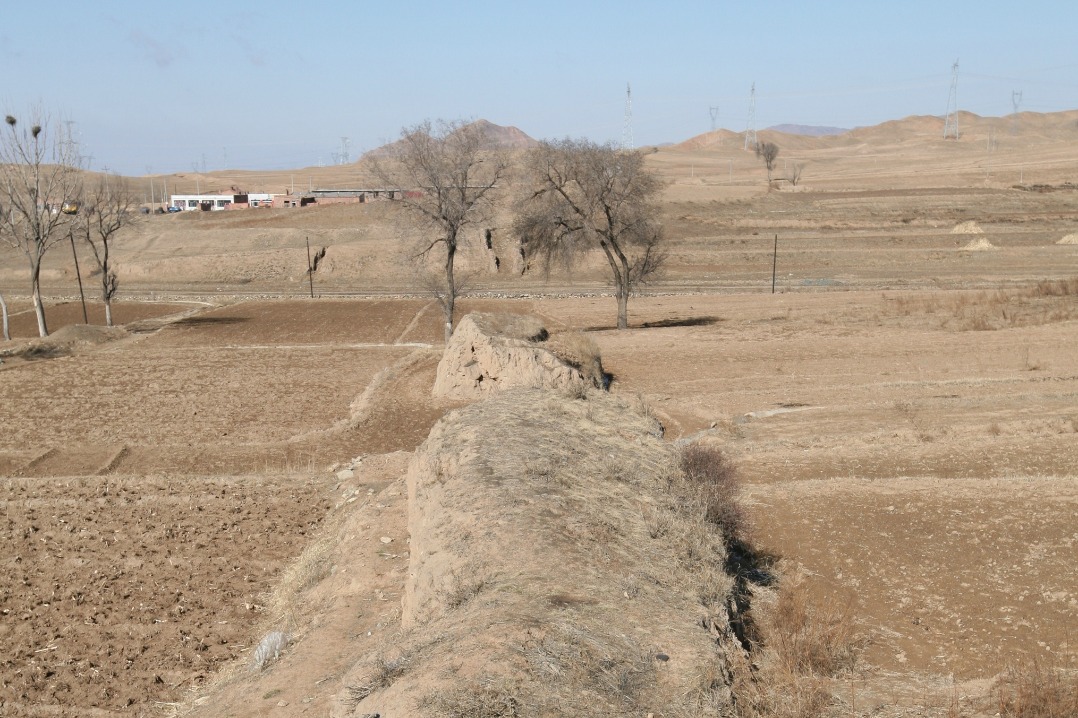
Apart from the Yinshan section to the north, the Qin Great Wall was primarily constructed by integrating the fortifications of the Warring States period belonging to the states of Qin, Zhao, and Yan into a continuous wall. The Qin Great Wall, built by Emperor Qin Shi Huang, stretches from Lintao in the west to Liaodong in the east. This construction made it the first Great Wall with a total length exceeding 5,000 kilometers, hence it is called the "Great Wall of 10,000 Li."
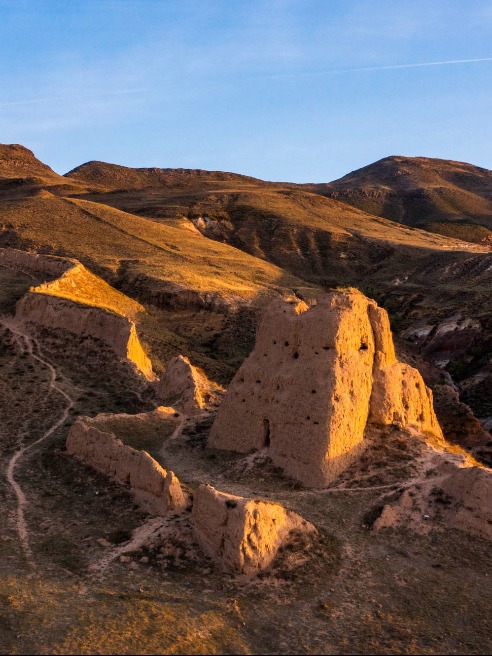
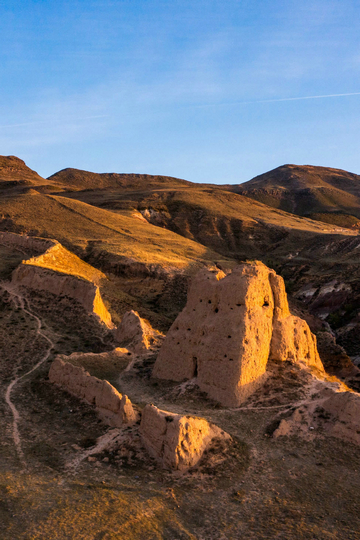
The Han Dynasty inherited the Qin system. Emperor Gaozu of the Han repaired the old fortifications of the Qin. Later, to fight against the Xiongnu nomads in the north, Emperor Wudi constructed a Great Wall that spanned from Liaodong in the east to Xinjiang in the west. Notably, the Han Great Wall is the longest in history, extending for a total length of over 10,000 kilometers.
Several Xianbei regimes, including Northern Wei Dynasty (386-534), Eastern Wei Dynasty (534-550), Northern Qi Dynasty (550-577) and Northern Zhou Dynasty (557-581) continued to construct and expand the Great Wall as strategic defensive lines against northern nomadic tribes like the Turkic people and Rouran. Furthermore, a mutual defense wall was built between the eastern and western regimes, such as between the Northern Qi and its neighboring regimes.
After unified the Central Plains, the Sui Dynasty continued to construct the Great Wall to curb the nomads from moving south.
The Great Wall was not constructed on a large scale; only some military fortresses were set up along the original Great Wall.
To impede the alliance with the Bohai Kingdom, the Liao Dynasty constructed the Liao Great Wall. Remnants of this wall can be found in Nanguanling, located in the Ganjingzi district of Dalian city, Liaoning province.
The Song Dynasty only repaired and utilized certain sections of the Sui Great Wall, adding numerous watchtowers and military fortresses.
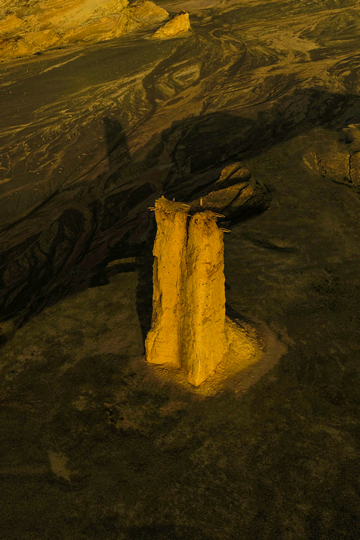
The Great Wall of this period is scarcely mentioned in Chinese literature and records. In the 1970s, archaeologists uncovered sections of the Great Wall constructed by the Western Xia Dynasty during field excavations along the Great Wall in the South Gobi province of Mongolia. Primarily, the Western Xia Dynasty's Great Wall served as a defense barrier against Mongolia.
The Jin Great Wall, constructed by the Jurchen people, an ethnic minority in ancient China, was primarily built for defense against the Mongols. This was another significant addition to the Great Wall following the Sui Dynasty. The Jin Great Wall is also known as the "Jin Jiehao" due to its reliance on moats (called Jiehao in Chinese) as its main defensive structure.
The Yuan Dynasty unified the northern and southern regions of China, making the construction of the Great Wall unnecessary.
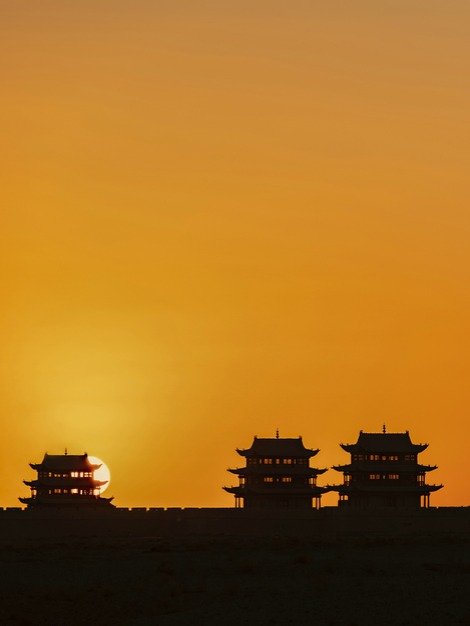
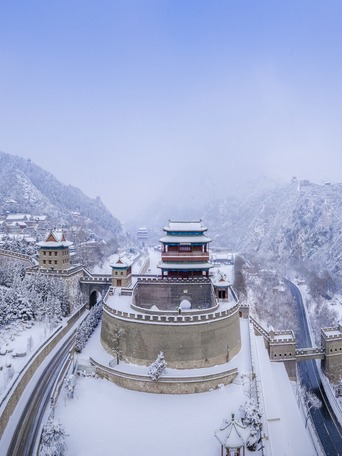
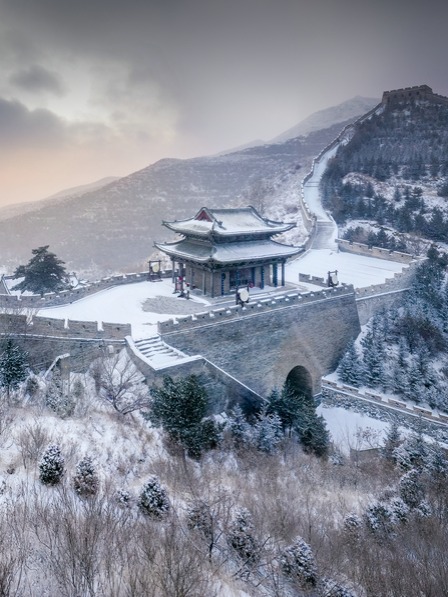
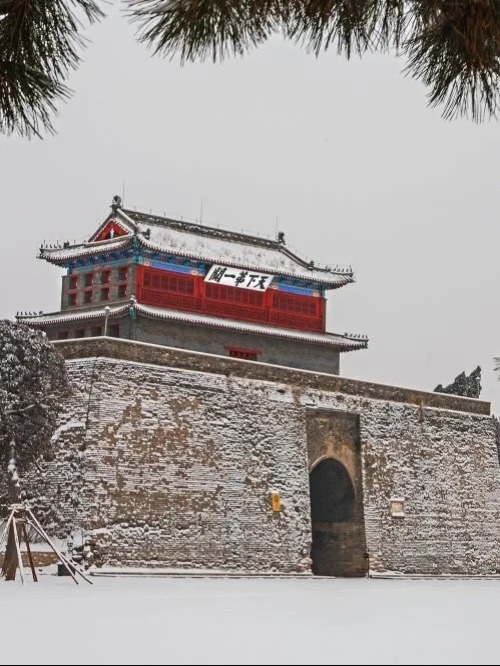
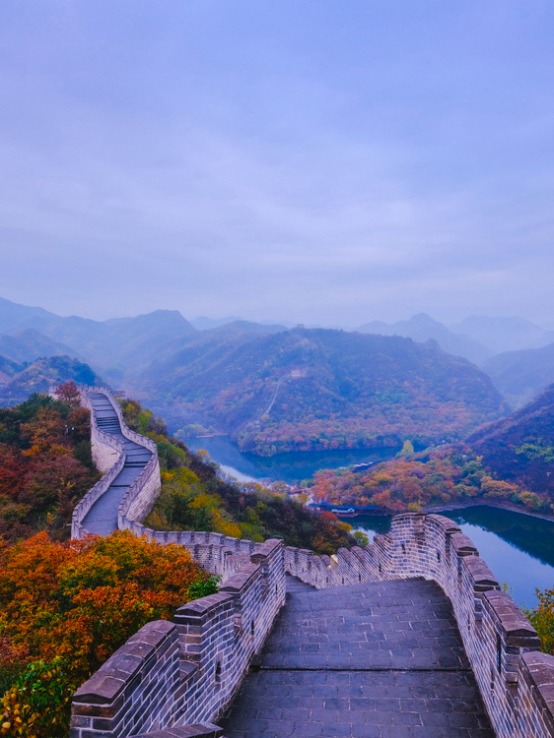
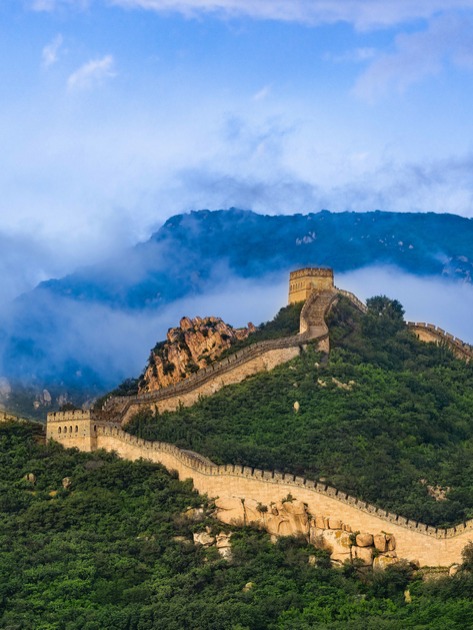
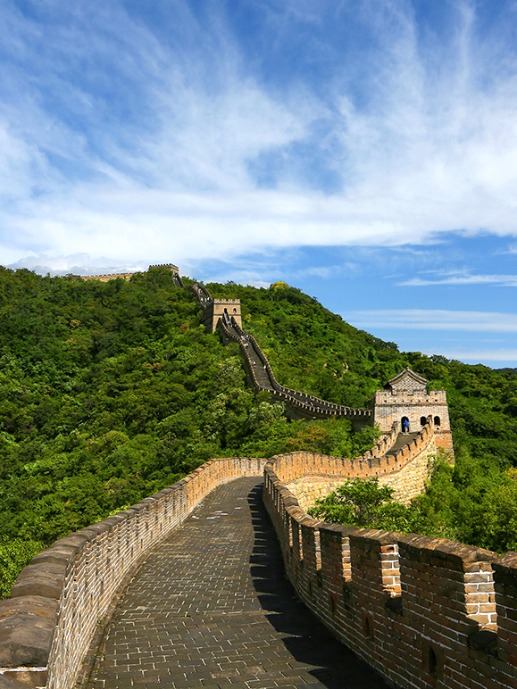
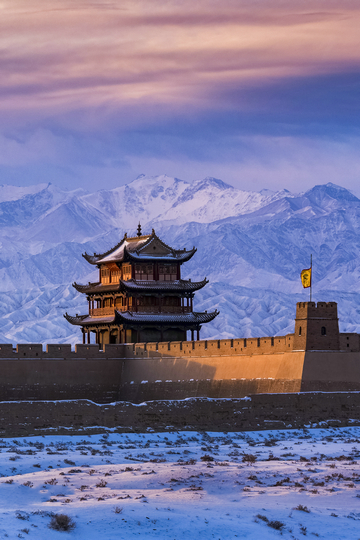
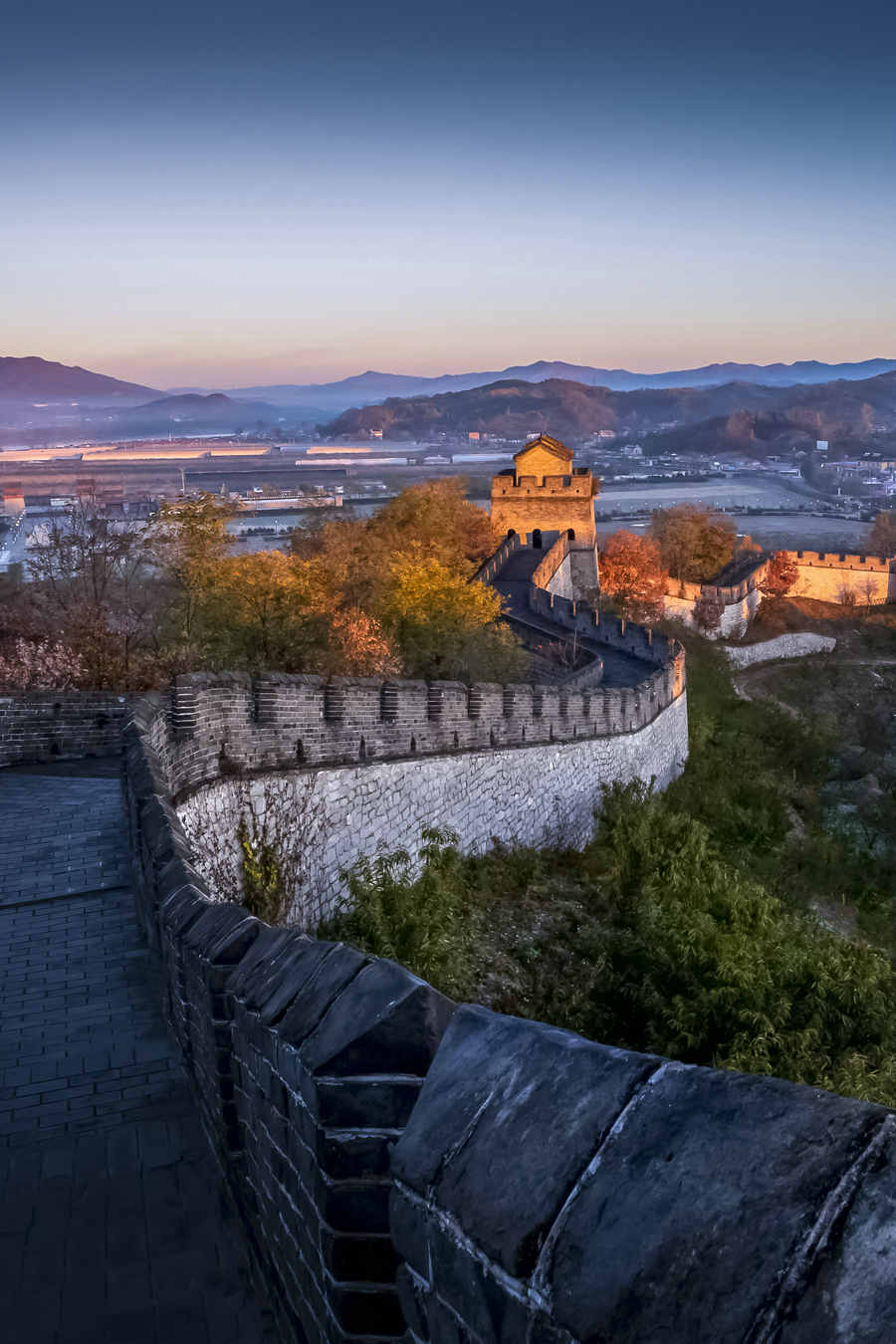
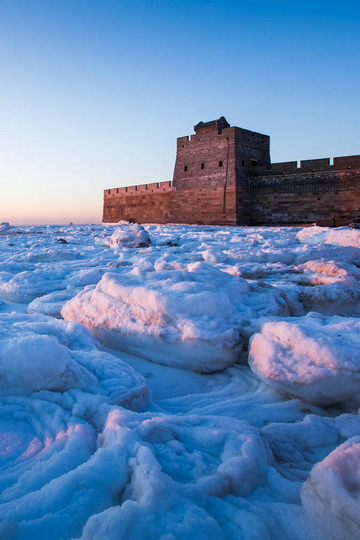
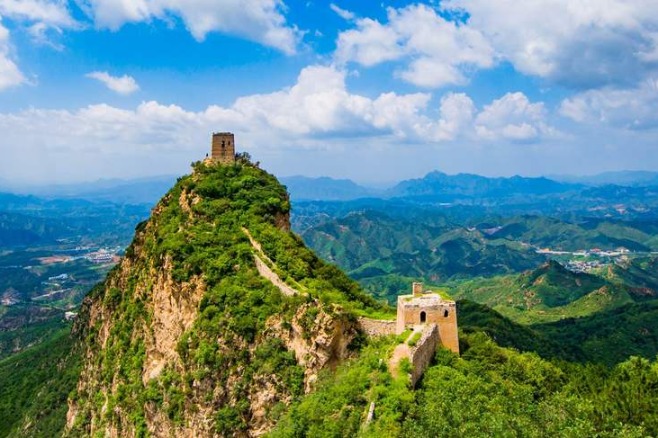
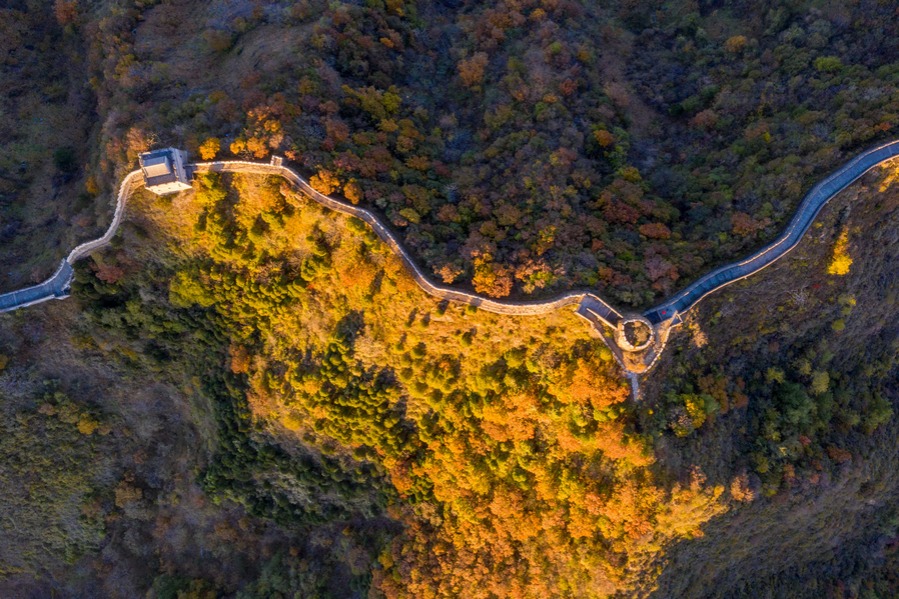
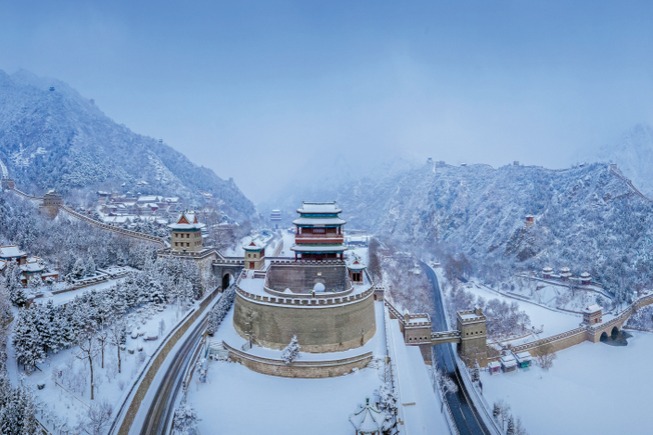
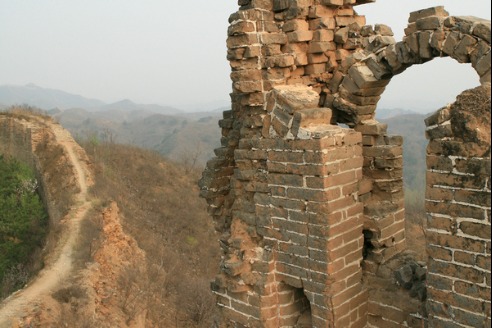
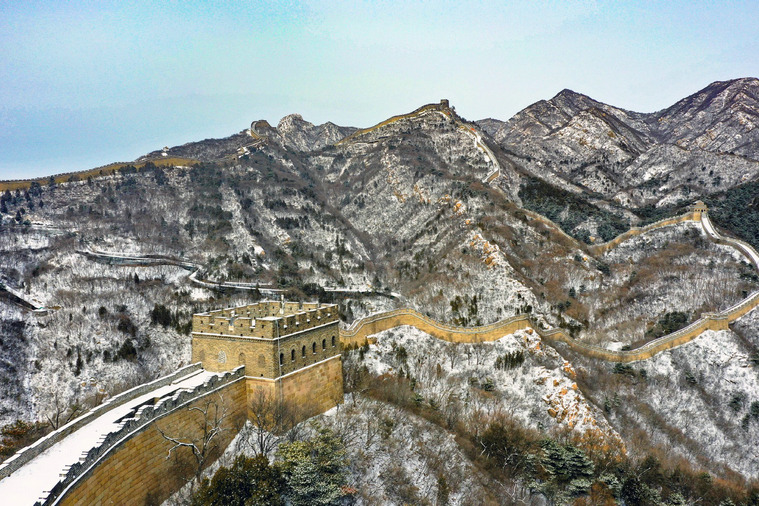
The Great Wall of the Ming Dynasty was initially constructed to defend against the Mongols, and later it served as a defense against the rise of the later Jin Dynasty. Ming Great Wall stands as the largest, strongest and most magnificent in history. Its main line extends from Hushan in Liaoning province in the east to Jiayuguan in Gansu province in the west. This period saw extensive engineering works and significant advancements in construction materials, techniques and defensive fortifications. Furthermore, the remains of the Ming Great Wall are the most completely preserved to date.
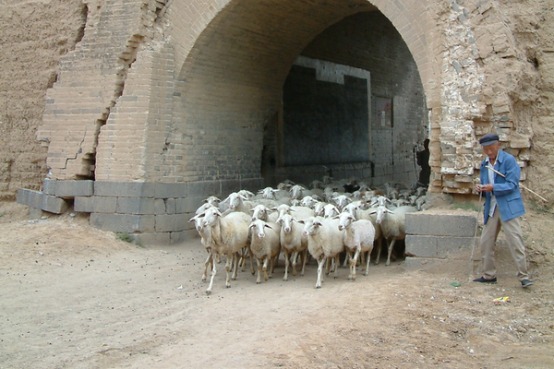
After unification, the Great Wall merely served as an administrative facility for enforcing restrictions on the Manchu and Mongolians, essentially losing its significance in military defense.