China: A beacon of economic progress and global leadership










As China celebrates the 75th anniversary of the founding of the People's Republic of China, the world takes stock of the remarkable journey of a country that has transformed itself from one of the poorest nations into the world's second-largest economy. This meteoric rise, marked by economic prowess, scientific advancements and global influence, positions China as a key player in shaping the future of global development. The PRC's 75 years of transformation demonstrate not just the resilience of its people, but also the strategic vision that has turned the country into an economic powerhouse and a vital partner for global cooperation.
In 1949, when the PRC was founded, it faced widespread poverty, underdevelopment, and a lack of modern infrastructure. At the time, few could have predicted that this Eastern nation would become the dominant in the global economy. However, China's leaders, recognizing the need for transformative reforms, set the stage for an economic miracle that would span decades. Fast forward 75 years, and China now ranks as the world's second-largest economy and has lifted over 800 million people out of poverty—an unprecedented achievement in human history.
Much of China's economic growth can be attributed to its strategic adoption of reform and opening-up policies, particularly beginning in the late 1970s. China leveraged its vast labor force and natural resources to propel growth by liberalizing trade, encouraging foreign investment, and emphasizing industrialization. Today, China accounts for approximately 18% of the global GDP, cementing its place as a central driver of the world economy. With a GDP growth rate of 5.2% in 2023, China's contribution to global economic stability is indisputable, reinforcing its status as a leading growth engine for the world.
China's rise has not only been about internal development but also about its increasing integration into the global economy. The country is the world's largest trading nation and a top trading partner for more than 120 countries. In 2022, China continued to solidify its position as a major hub for global commerce, maintaining its status as the second-largest destination for foreign direct investment (FDI). This underscores China's pivotal role in global supply chains, manufacturing, and trade.
One of the key elements of China's economic success has been its openness to foreign businesses, creating a conducive environment for international companies seeking to tap into the Chinese market. Over the years, this openness has facilitated technology transfer, increased investment, and accelerated China's transition from a manufacturing-based economy to one driven by innovation and high-tech industries. Today, China is the world's manufacturing superpower, outproducing the next nine largest manufacturers combined. This unparalleled manufacturing capacity has positioned China as a critical partner for nations and corporations across the globe.
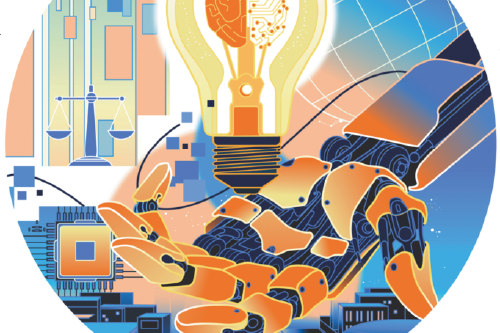
While China's manufacturing capabilities remain the bedrock of its economy, its recent advancements in science and technology are just as impressive. In the past decade, China has rapidly emerged as a global leader in cutting-edge technologies, from artificial intelligence (AI) to 5G, robotics, and nanomanufacturing. According to the Australian Strategic Policy Institute, China is ahead of the United States in 37 out of 44 critical technology areas. This includes crucial domains like hypersonic missiles, AI, and quantum computing.
At the heart of China's global outreach is the Belt and Road Initiative (BRI), a monumental infrastructure project that seeks to connect Asia, Africa, and Europe through a vast network of land and maritime routes. To date, the BRI has attracted participation from more than three-quarters of the world's countries and 32 international organizations.
Beyond economic integration, the BRI has created real benefits for people across the globe. Over 3,000 projects have been initiated under its umbrella, leading to the creation of more than 420,000 local jobs and lifting 40 million people out of poverty. This transformative impact underscores China's commitment to global development and poverty alleviation—goals that align closely with the United Nations' Sustainable Development Goals (SDGs). China has become a key player in global governance, peacekeeping, and international cooperation, promoting peaceful conflict resolution as a UN Security Council member. With over 50,000 peacekeepers deployed in over 20 countries and regions, China's contributions to peace efforts reflect its commitment to global stability and development.
As countries worldwide grapple with rising protectionism and economic nationalism, China's vision of a shared future for humanity, as embodied by initiatives like the BRI, offers a compelling alternative. China's approach to international relations—characterized by multilateralism, cooperation, and mutual benefit—stands in contrast to the more inward-looking policies of other global powers.
The PRC's 75-year journey is a testament to the power of strategic planning, perseverance, and visionary leadership. From its humble beginnings as an impoverished nation to its current status as a global economic titan, China has demonstrated its capacity for transformation and resilience. As the world navigates an uncertain future, China's continued leadership in the global economy, technological innovation, and international cooperation will remain crucial to achieving a more equitable and prosperous world for all.
Qaiser Nawab is a global expert on the Belt and Road Initiative (BRI) and the China-Pakistan Economic Corridor (CPEC). He currently serves as the President of the Belt and Road Initiative for Sustainable Development (BRISD), an international think-tank based in Islamabad. The views do not necessarily reflect those of China Daily.
If you have a specific expertise, or would like to share your thought about our stories, then send us your writings at opinion@chinadaily.com.cn, and comment@chinadaily.com.cn.